

The La Peppina is a marvel of mid-century design, a vintage spring lever espresso machine that captivates with its simplicity and charm. For many home baristas, acquiring one is a journey into a more hands-on, tactile world of coffee making. However, its minimalist design conceals a steep learning curve. Unlike modern semi-automatic machines, the Peppina offers little room for error and demands a deep understanding from its operator. New users often face frustration, pulling shots that are either sour, bitter, or watery. This article serves as a guide for navigating these initial challenges. We will explore the most common mistakes made when using the La Peppina, providing the knowledge you need to bypass the pitfalls and start producing truly exceptional espresso.
Getting the foundation wrong: grind and dose
The absolute cornerstone of any good espresso shot is the coffee itself, specifically its grind and dose. With the La Peppina, this is not just important; it is critical. Its spring provides a gentler, declining pressure profile compared to the brute force of a 9-bar pump machine. This makes it highly sensitive to the coffee puck’s resistance. Grinding too coarse is a frequent error, causing water to gush through the grounds. The result is a fast, underextracted shot that tastes disappointingly sour and weak. Conversely, grinding too fine will choke the machine, preventing the lever from rising at all or causing it to rise so slowly that the shot becomes over-extracted and intensely bitter.
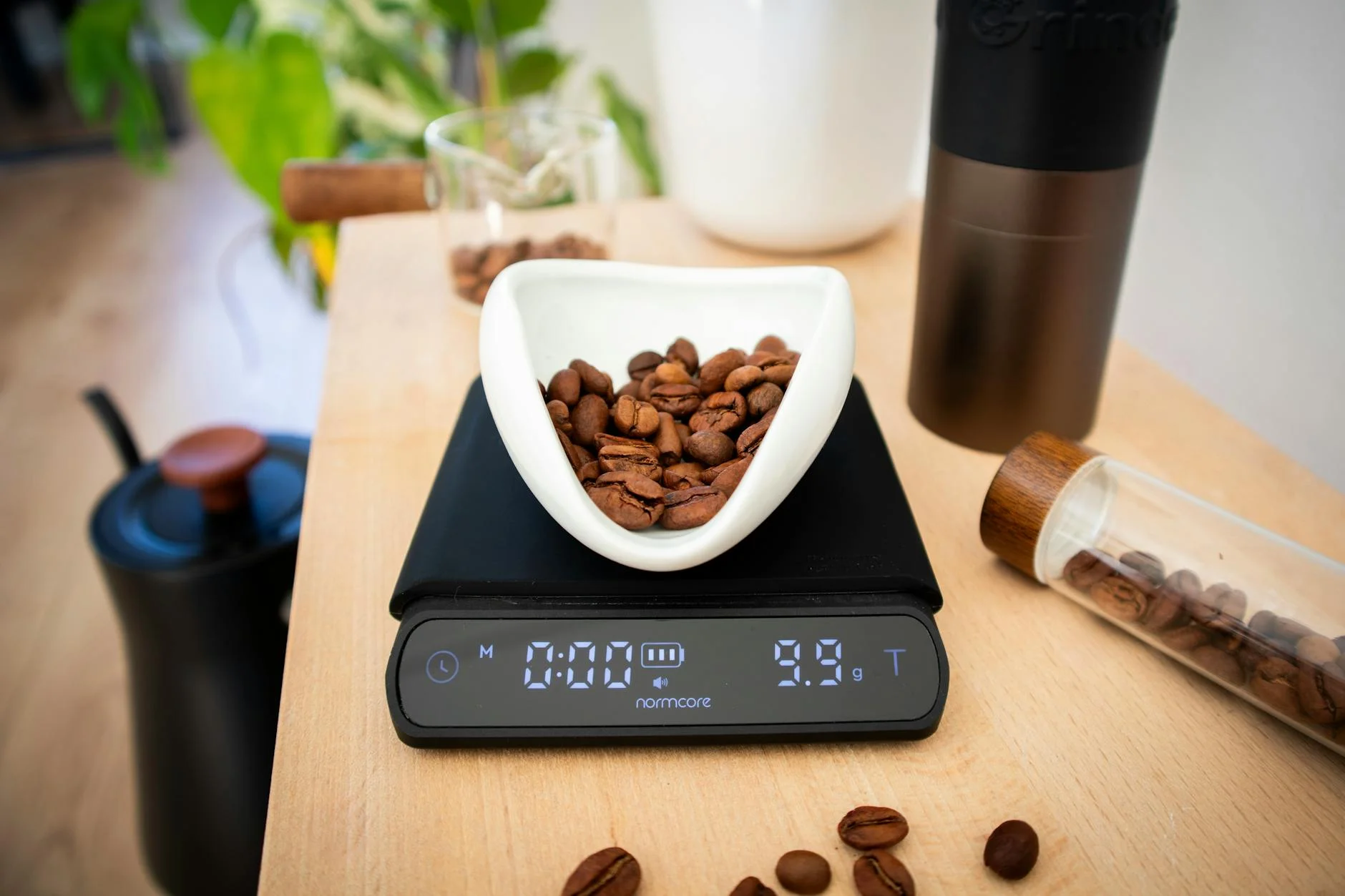
Equally important is the dose. The Peppina’s small 45mm basket requires precision. A common mistake is overdosing, trying to pack in too much coffee. This can prevent the portafilter from locking in correctly or, worse, cause the coffee puck to press against the shower screen, disrupting water distribution and leading to immediate channeling. Underdosing is also problematic, often resulting in a soupy puck and a thin, lifeless shot. The key is consistency. Using a scale to measure your dose (typically between 8-12 grams, depending on the bean and basket) is non-negotiable for repeatable success.
Mishandling temperature management
The La Peppina’s most unique feature is its open kettle design, which is also a primary source of temperature-related mistakes. Unlike machines with internal boilers, you are in direct control of the water temperature, and it’s easy to get it wrong. A major error is using water straight off a rolling boil. This excessively hot water will scorch the delicate coffee grounds upon contact, resulting in a harsh, bitter, and astringent cup, regardless of how perfect your grind is. The ideal temperature is typically between 90-95°C (195-203°F), or about 30-60 seconds off the boil.
The opposite problem is failing to manage the grouphead temperature. The large, metal grouphead acts as a heat sink. If it is cold, it will drastically cool your brew water as it passes through, leading to a sour, underextracted shot. Before your first shot, it is crucial to preheat the group by pulling one or two blank shots of hot water through it. Conversely, when pulling multiple shots, the group can become too hot. Learning to manage this thermal stability, perhaps by using a stick-on thermometer strip, is a skill that separates good Peppina shots from great ones.
Flaws in tamping and puck preparation
Once your grind and dose are set, the next potential pitfall is preparing the coffee bed, or “puck.” Many baristas transitioning from standard 58mm portafilters make the mistake of tamping too hard. The Peppina’s smaller basket and gentler spring respond better to a lighter, more finessed touch. An overly aggressive tamp can over-compact the coffee, making it difficult for the water to penetrate evenly and often choking the machine.
The primary goal of puck preparation is to create a level and homogenous bed of coffee to prevent channeling, where water punches a hole through a weak spot in the puck instead of flowing through it evenly. This is the arch-nemesis of good espresso. To avoid this, proper distribution is essential. Before tamping, use a simple tool like a needle or paperclip to perform the Weiss Distribution Technique (WDT), gently stirring the grounds to break up any clumps and distribute them evenly. Following this with a level tamp will create the ideal conditions for a balanced and delicious extraction.
Rushing the pre-infusion and pull
The final stage is the mechanical action of pulling the shot, and a lack of patience here can undo all your careful preparation. The La Peppina has a beautifully simple form of pre-infusion: as you push the lever down, water from the kettle enters the chamber and begins to saturate the coffee puck at very low pressure. A common and critical mistake is not allowing enough time for this to happen. Rushing the pre-infusion means the puck is not fully and evenly saturated before the spring engages. When you release the lever, the pressure will force water through a partially dry puck, creating instant channels and ruining the shot.
A good rule of thumb is to hold the lever down until you see the first few drops of espresso begin to form on the bottom of the basket. Once you release the lever, let the spring do the work. Resist the temptation to “help” it by pushing it up or pulling the lever down again for a second pull. This interference disrupts the delicate pressure profile the spring is designed to deliver. Below is a table summarizing how these common mistakes manifest in the final cup.
| Common Mistake | Visual Observation in the Shot | Resulting Taste Profile |
|---|---|---|
| Grind is too coarse | Shot pulls very fast (gushes out) in under 15 seconds. | Sour, acidic, weak, and watery. |
| Grind is too fine | Lever stalls or rises extremely slowly; few or no drips. | Bitter, harsh, and astringent. |
| Water temperature too high | Extraction looks dark and overly rapid. | Burnt, bitter, and lacking sweetness. |
| Grouphead is too cold | Shot looks pale, blonde, and thin. | Sour, underdeveloped, and thin-bodied. |
| Poor puck prep (channeling) | Squirts or uneven streams from a naked portafilter. | A messy combination of sour and bitter. |
| Skipping pre-infusion | A sudden, fast initial flow that may slow abruptly. | Unbalanced, often sour and inconsistent. |
Mastering the La Peppina is less about following a rigid recipe and more about developing a feel for the machine. It is a rewarding process that requires patience and close attention to detail. By understanding and avoiding the most common mistakes—from an inconsistent grind and improper temperature to flawed puck prep and a rushed pull—you can significantly shorten your learning curve. The journey may seem daunting at first, but it transforms the daily ritual of making coffee into a craft. Once you learn to work with its quirks, the La Peppina is more than capable of producing sweet, syrupy, and complex espresso that stands shoulder-to-shoulder with shots from far more complex and expensive machines. Embrace the process, and you will be rewarded for your efforts.
 No products in the cart.