

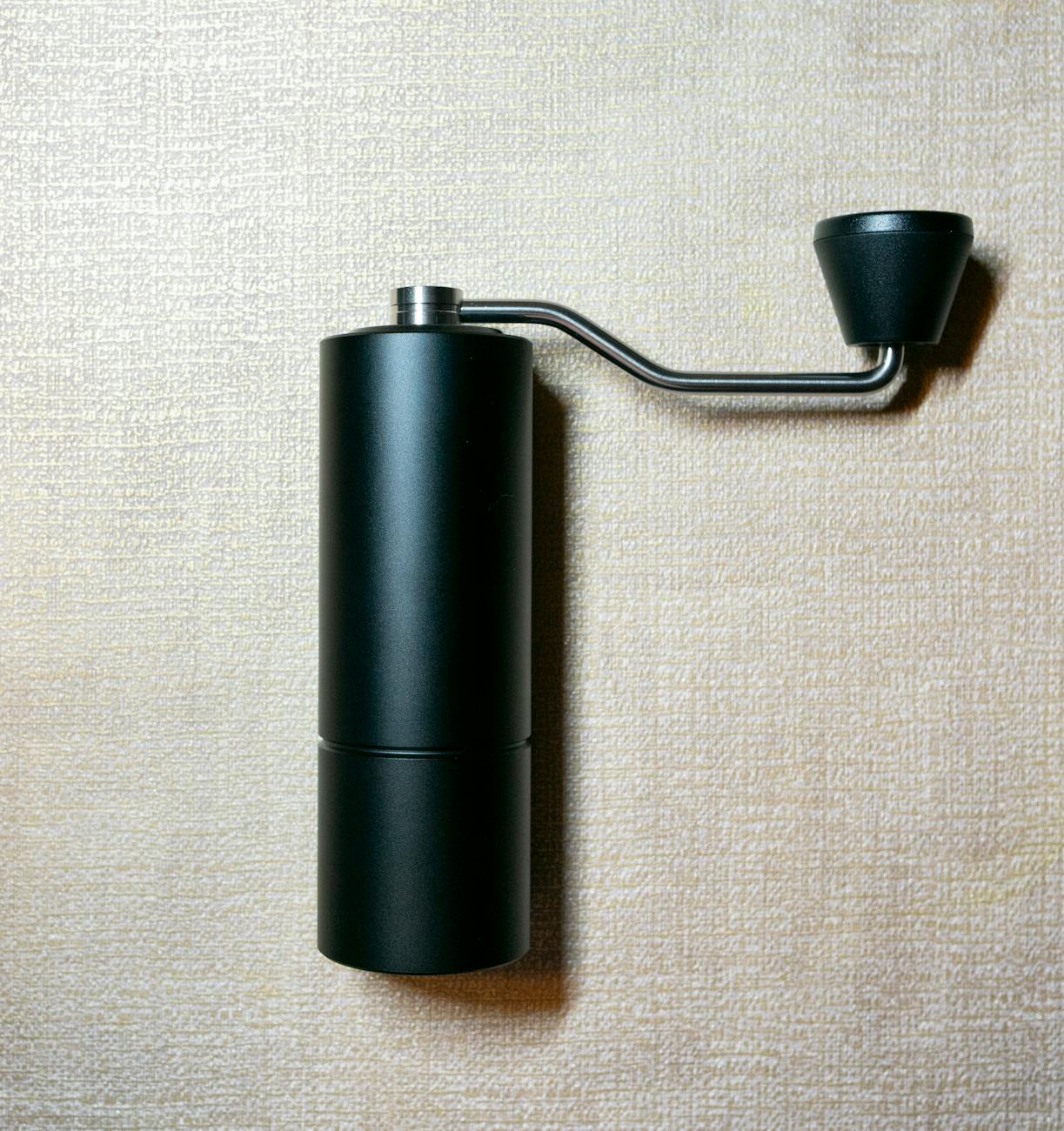
Why your coffee tastes different today: How humidity and temperature influence your daily grinder adjustments
Have you ever experienced this? You pull the perfect shot of espresso, rich and balanced, and you think you’ve finally mastered your setup. The next morning, you follow the exact same recipe, but the result is a bitter, over-extracted mess or a sour, watery disappointment. You haven’t changed the beans, the dose, or your machine settings. So, what happened? The answer is likely floating in the air around you. The unseen forces of humidity and temperature have a profound impact on coffee beans, altering their physical properties and demanding small but crucial adjustments to your grinder. This article will explore the science behind these environmental factors and provide a practical guide to help you achieve a consistently delicious cup of coffee, every single day.
The science of a sensitive bean
Roasted coffee beans are not inert little rocks. They are porous, organic matter, and most importantly, they are hygroscopic. This means they readily absorb moisture from or release it into the surrounding air to reach equilibrium. This constant, invisible exchange is the primary reason your perfect grind setting from yesterday might be completely wrong today.
When humidity is high, your coffee beans act like tiny sponges, soaking up water vapor from the atmosphere. This added moisture makes the beans softer and slightly denser. When you grind these softer beans, they tend to produce more fine particles and offer less resistance to the grinder’s burrs. The result is a finer grind than you intended, which increases the surface area of the coffee. This leads to a slower, longer extraction that can easily become bitter and astringent. Your shot might “choke” the machine or run for 45 seconds instead of your target 30.
Conversely, when humidity is low, the air pulls moisture out of the beans. They become drier, harder, and more brittle. When these brittle beans hit the grinder, they tend to shatter unevenly, creating a less uniform mix of particle sizes. This inconsistency can lead to channeling, where water finds paths of least resistance through the coffee puck, resulting in a fast, under-extracted shot that tastes sour. The lack of moisture means the grounds are also less dense, offering less resistance to the water flow.
Temperature works in a similar, often compounding, way. Warmer temperatures can make beans slightly softer and more malleable, while colder temperatures make them more brittle, much like low humidity. A hot, humid day is a recipe for a slow shot, while a cold, dry day will likely have your espresso gushing out.
Reading the signs: How to diagnose the problem
Before you even touch your grinder dial, your senses can tell you a lot about how the environment is affecting your coffee. Learning to spot these clues is the first step toward making the right adjustment. The most obvious place to look for evidence is in your espresso shot’s behavior, but the signs start even earlier.
Pay attention to the grounds themselves. On a high-humidity day, you might notice your coffee grounds are more clumpy in the portafilter and stick together. This is a clear indicator that they are holding more moisture. On a low-humidity day, the grounds will feel fluffier, lighter, and more prone to static. This is your first clue that you may need to adjust your grind finer to compensate.
The most critical feedback, however, comes from watching the extraction and tasting the result. Keep your core recipe consistent:
- Dose: The weight of dry coffee grounds you use.
- Yield: The weight of the liquid espresso in your cup.
- Time: The duration of the extraction.
If you aim for an 18-gram dose to produce a 36-gram yield in 30 seconds, and suddenly your shot finishes in 22 seconds, you know something has changed. That gushing shot, likely tasting sour, points toward dry, brittle beans. If that same recipe takes 45 seconds and produces a bitter, syrupy espresso, you can bet that high humidity has made your beans softer, causing them to grind finer than usual. The key is to trust the clock and your palate; they are your most reliable instruments.
Your daily dial-in: A practical guide to adjustment
Understanding the problem is one thing; fixing it is another. The good news is that the solution is often a very small turn of your grinder’s adjustment collar. The process of “dialing in” shouldn’t be a frustrating, wasteful ordeal. Instead, think of it as a quick daily check-in with your coffee. The goal is to make a single, logical adjustment based on the evidence you gathered.
Here’s a simple rule of thumb: chase the taste by adjusting the grind size. If your shot is too fast and tastes sour (under-extracted), you need to increase extraction time. To do this, you make the grind finer. This creates more resistance for the water. If your shot is too slow and tastes bitter (over-extracted), you need to decrease extraction time. To do this, you make the grind coarser. This allows water to flow through more easily.
Let’s put this into a simple, actionable table:
| Environmental Condition | Observed Effect on Shot | Taste Profile | Required Grinder Adjustment |
|---|---|---|---|
| Higher Humidity / Warmer Temp | Runs too slow (e.g., >35 seconds) | Bitter, astringent, harsh | Make the grind coarser |
| Lower Humidity / Colder Temp | Runs too fast (e.g., <25 seconds) | Sour, weak, acidic | Make the grind finer |
The key is to make small, incremental changes. Don’t crank the dial. Move it just one notch or a tiny fraction of a turn, purge a small amount of old grounds, and pull another shot. By changing only one variable at a time (the grind size), you can systematically guide your coffee back to its sweet spot without wasting a lot of beans.
Building consistency beyond the daily grind
While daily grinder adjustments are essential, you can also implement other strategies to minimize the impact of the environment and create a more stable foundation for your coffee brewing. The goal is to control as many variables as possible so that your daily adjustments are minor tweaks rather than major overhauls.
First and foremost is proper bean storage. Never leave your beans in the bag they came in, especially if it’s just a paper bag with a tin tie. Invest in an airtight or vacuum-sealed container. This shields your beans from the worst of the ambient humidity and slows down the staling process. Store the container in a cool, dark place like a cupboard, away from heat sources like your oven or a sunny window.
If you use a grinder with a large hopper, consider only filling it with enough beans for a day or two. A full hopper of beans sitting out for a week will be much more affected by environmental swings than beans kept in a sealed container. Better yet, many home baristas prefer single dosing: weighing out the exact amount of beans for each shot right before grinding. This ensures every dose is fresh and less exposed to the air.
Finally, continue to be meticulous with your other variables. Always use a scale to weigh your dose and yield. A 0.5-gram difference in your dose can have as much impact on shot time as a change in humidity. By locking in your measurements, you can be confident that the primary variable left to adjust for is the environment’s effect on the beans themselves.
Conclusion
The art of making great coffee is a dynamic process, not a static formula. Your coffee beans are constantly in conversation with the air around them, and their properties change from one day to the next. As we’ve explored, humidity and temperature are the primary drivers of this change, altering a bean’s hardness and moisture content. This directly affects how it shatters in the grinder, which in turn dictates the speed and quality of your extraction. Rather than being a source of frustration, these daily variations should be seen as an invitation to engage more deeply with your craft. By learning to read the signs in your coffee grounds and espresso shots, and by making small, deliberate adjustments to your grinder, you can counteract the weather. Mastering these daily tweaks is the true secret to consistency, empowering you to brew a spectacular cup of coffee no matter what the forecast says.


 No products in the cart.