

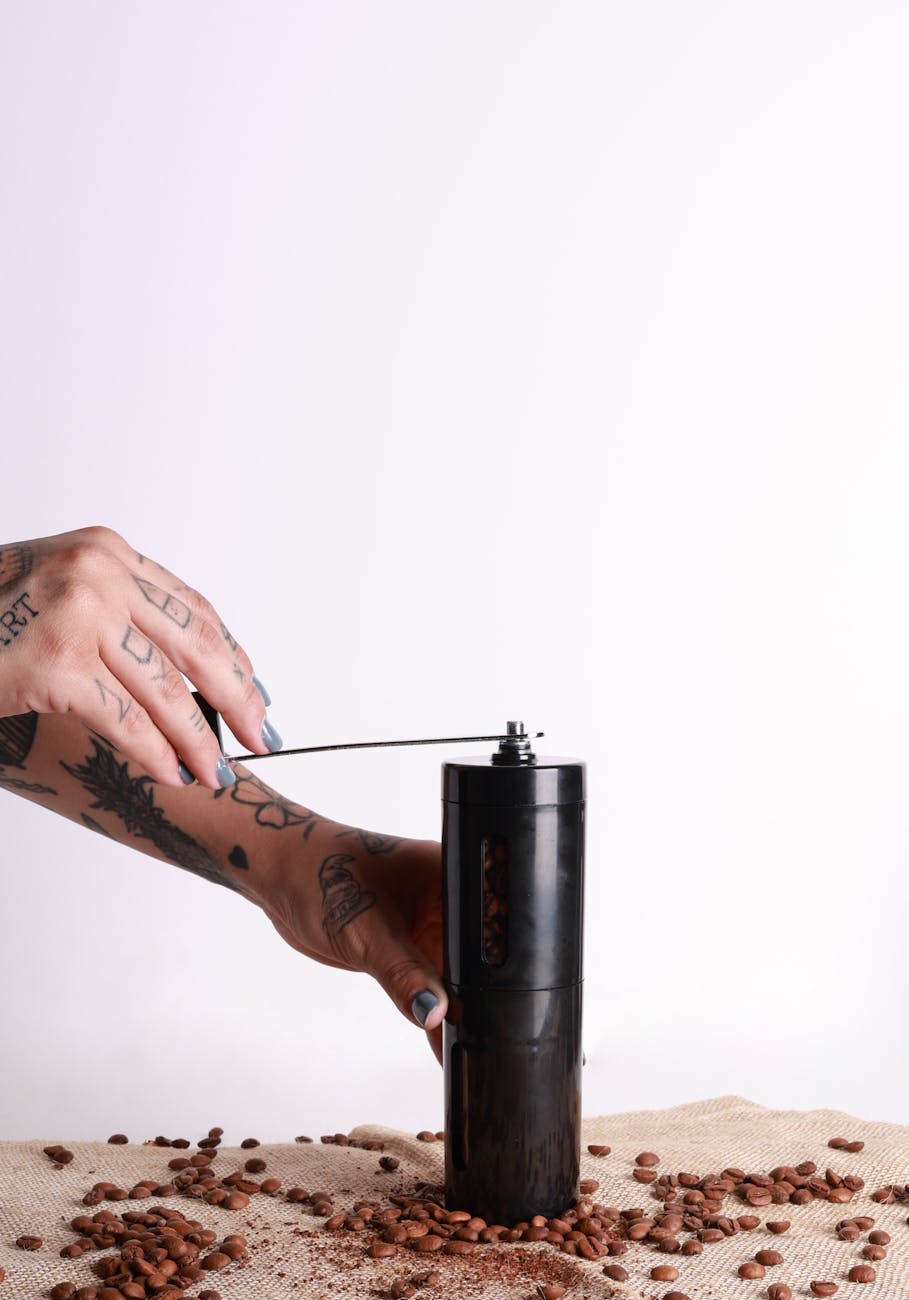
Why grinder consistency matters more than your espresso machine pressure
For many aspiring home baristas, the journey into specialty coffee begins with the dream of a gleaming, chrome espresso machine. We obsess over features, boiler types, and most of all, pressure. The magic number, “9 bars,” is often seen as the golden ticket to cafe-quality shots. While pressure is certainly a piece of the puzzle, this intense focus often overshadows a far more critical component: your coffee grinder. An espresso machine can only work with what you give it. This article will delve into why the uniform, consistent grind from a quality grinder is the true foundation of delicious espresso, and how even the most expensive machine cannot save a shot prepared with an inconsistent grind. It’s time to shift the focus from the force to the foundation.
The fundamentals of an even extraction
Before we can understand why the grinder is so important, we must first understand the goal of making espresso: even extraction. Espresso is created by forcing hot water through a tightly packed puck of finely ground coffee under pressure. During this brief, intense process (typically 25-30 seconds), the water dissolves solids and oils from the coffee grounds, creating the complex flavors and aromas we love.
For a shot to be balanced and delicious, the water must pass through every part of the coffee puck at the same rate. This ensures that all the coffee grounds give up their delicious compounds evenly. If water flows through some parts faster than others, you get a disastrous mix of flavors. This is where the concept of channeling comes in. Water, like electricity, always follows the path of least resistance. If your coffee puck has weak spots, the pressurized water will blast through them, creating tiny channels. This water over-extracts the grounds it does touch and completely bypasses others, ruining the shot before it even hits the cup.
How an inconsistent grind sabotages your shot
The single biggest cause of channeling and uneven extraction is an inconsistent grind. A low-quality grinder, especially a blade grinder, produces a chaotic mix of particle sizes. You get everything from large chunks, often called “boulders,” to microscopic dust, known as “fines.” This variety makes creating a stable, uniform coffee puck impossible.
Here’s how this mix ruins your espresso:
- Fines (The Cloggers): These tiny, dust-like particles migrate with the water and clog the tiny holes in your filter basket. They dramatically slow down the flow of water in some areas, causing the water that is trapped there to over-extract the coffee. This pulls out bitter, dry, and astringent compounds, leaving an unpleasant taste in your mouth.
- Boulders (The Freeways): The larger, coarse particles leave significant gaps in the coffee puck. These gaps offer almost no resistance to the water. The pressurized water avoids the clogged areas of fines and rushes through these “freeways,” creating channels. The coffee in these channels is under-extracted, contributing sour, acidic, and weak flavors to the final cup.
The result is a shot that is simultaneously over-extracted and under-extracted—a confusing and disappointing mix of bitter and sour flavors with none of the sweetness or complexity you’re looking for. No amount of pressure from your machine can fix this fundamental flaw in the coffee puck.
The role of pressure and its limitations
So where does the famous 9 bars of pressure fit in? Pressure is the engine of espresso. It’s the force required to push water through a very dense and finely ground coffee puck in a short amount of time. Without sufficient pressure, you would just have a slow drip coffee. The 9-bar standard is widely accepted as the sweet spot that allows for the extraction of desirable oils and solids without being so forceful that it instantly destroys the puck.
However, pressure is a tool, not a solution. It amplifies whatever is happening within the puck. If you have a perfectly prepared puck made from a consistent grind, 9 bars of pressure will result in a beautiful, even extraction. But if you have an inconsistent, flawed puck full of fines and boulders, that same pressure becomes a destructive force. It will aggressively seek out the weak spots created by the boulders and blast channels through them, making a bad situation even worse. A high-end machine with perfect pressure stability is useless if the foundation it’s working on is unstable.
The smart investment: Grinder first, machine second
For anyone serious about making good espresso at home, the takeaway is clear: prioritize your budget on the grinder. A high-quality burr grinder, which crushes beans between two revolving abrasive surfaces, is non-negotiable. It produces the consistent, uniform particle size necessary for a stable coffee puck that can withstand the pressure of an espresso machine.
Let’s compare two common scenarios for a home barista’s budget:
| Scenario | Equipment | Likely Result |
|---|---|---|
| A: Machine-Focused | Expensive Espresso Machine ($1500+) Entry-Level Blade/Burr Grinder ($100) |
Frustrating, inconsistent shots. A mix of sour and bitter flavors due to channeling. Inability to “dial in” a recipe. |
| B: Grinder-Focused | High-Quality Espresso Grinder ($400+) Entry-Level Espresso Machine ($400+) |
Consistent, repeatable, and delicious espresso. The ability to make fine adjustments and achieve balanced, cafe-quality shots. |
As the table shows, pairing a fantastic machine with a poor grinder is a recipe for failure. The grinder gives you control. By providing a consistent grind, it removes the biggest variable and allows you to make tiny, precise adjustments to your dose or grind size to perfect your shot. This control is the key to unlocking the potential of your coffee beans.
In conclusion, while the allure of a powerful espresso machine is strong, its ability to produce great coffee is entirely dependent on the quality of the grind. An inconsistent grind creates a flawed coffee puck that leads to channeling, resulting in a shot that is both sour and bitter. The machine’s pressure only serves to exploit these flaws. Therefore, the single most impactful investment you can make in your home espresso setup is a high-quality burr grinder. It provides the consistency and control that form the true foundation of every great shot of espresso. Before you dream of the chrome machine, make sure you have a grinder that can do it justice. It is the real hero of your coffee bar.

 No products in the cart.