

Too fresh to brew? 4 signs your espresso beans need to rest
In the world of coffee, we’re constantly told that fresh is best. We seek out local roasters, check the roast date on every bag, and grind our beans moments before brewing. While this mantra holds true for most brewing methods, espresso is a different beast entirely. The high-pressure, rapid extraction of an espresso machine can turn the virtues of ultra-fresh beans into a frustrating mess of sour, sputtering shots. The key isn’t just freshness; it’s peak freshness. This involves a crucial, often overlooked, process called de-gassing, where freshly roasted beans are allowed to rest and release excess carbon dioxide. Understanding this process and recognizing the signs that your beans are too “hot off the roaster” is the secret to unlocking their true flavor potential and pulling a consistently delicious shot of espresso.
The science of a well-rested bean
When green coffee beans are roasted, they undergo a series of complex chemical reactions, including the Maillard reaction and caramelization. These processes create the wonderful aromas and flavors we love, but they also produce a significant amount of gases, primarily carbon dioxide (CO2). This CO2 gets trapped within the bean’s cellular structure. Over the first few days and weeks after roasting, this gas slowly escapes in a process known as de-gassing. For brewing methods like pour-over or French press, this CO2 release creates the beautiful “bloom” when hot water first hits the grounds. For espresso, however, this excess gas is a major problem. Under the nine bars of pressure from an espresso machine, the trapped CO2 works against you, creating a barrier that prevents water from evenly saturating the coffee grounds. This leads to channeling, under-extraction, and a host of other issues that stand between you and a perfect shot.
Sign 1: The “volcano” in your portafilter
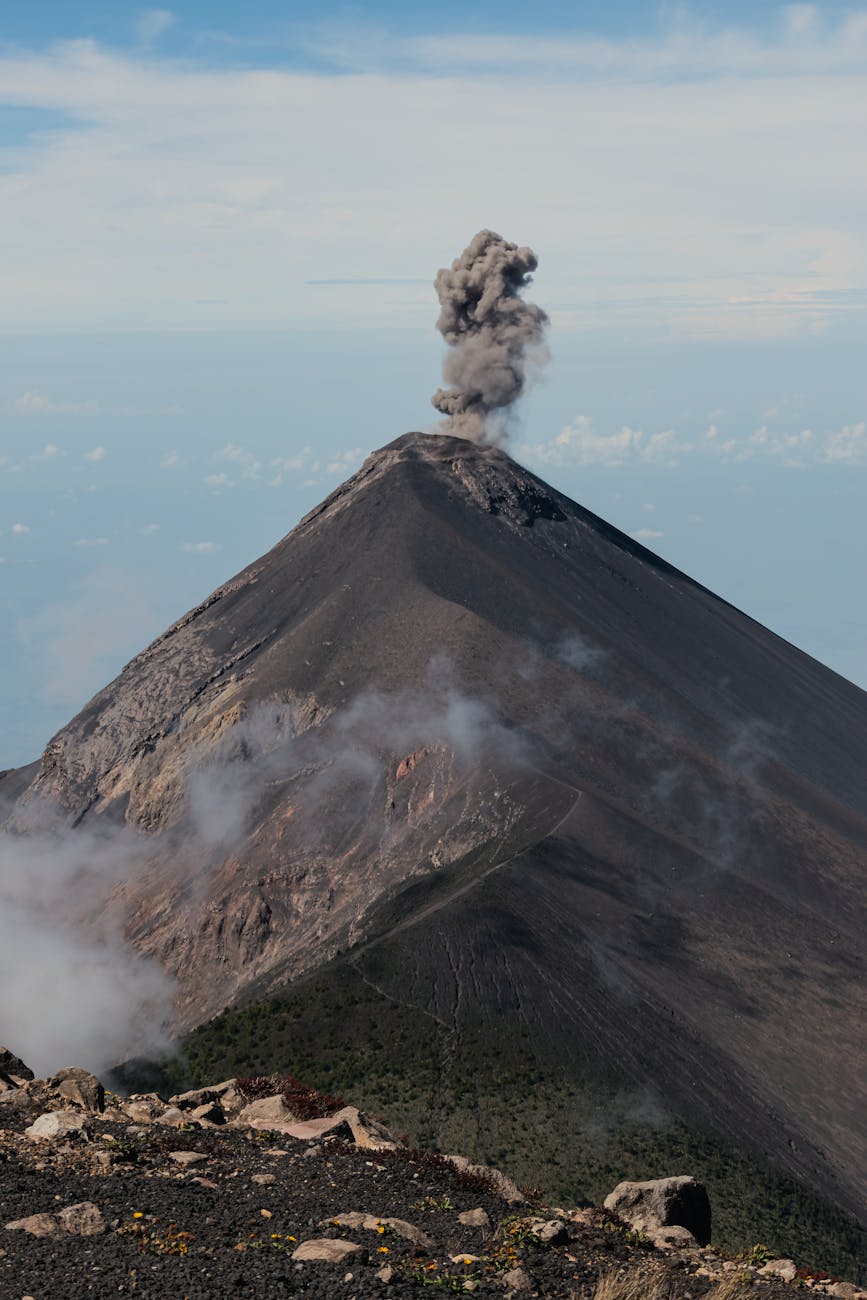
The most dramatic and obvious sign of overly fresh beans happens before the coffee even hits the cup. When you start your shot, you’ll witness an excessively aggressive and rapid bloom in your portafilter. Instead of a gentle, controlled swelling of the coffee puck during pre-infusion, you’ll see a ‘volcano’ of coffee and crema. The puck might expand so quickly and violently that it looks like it’s about to explode. This is the pressurized water forcing that trapped CO2 out of the coffee grounds all at once. This chaotic eruption of gas creates fissures and channels within the puck before the main extraction has even begun. It’s a clear visual cue that the CO2 is interfering with the shot, making a balanced and even extraction nearly impossible to achieve from the very start.
Sign 2: A fast, messy, and channeling shot
Following the volcanic bloom, the shot itself will look erratic. A perfect espresso shot should start with a few dark drips that coalesce into a steady, syrupy stream resembling warm honey or a “mouse tail.” In contrast, a shot with beans that haven’t de-gassed enough will behave very differently:
- It pulls too fast: Even if you grind finer to compensate, the shot will likely gush out. The CO2 gas creates so much pressure and so many channels that the water blasts through the puck with little resistance, leading to a very short shot time.
- Sputtering and spraying: Instead of a clean, unified stream, you’ll see sputtering, multiple thin streams, or even jets of watery coffee spraying from the portafilter spouts. This is a classic sign of channeling, where the water has found easy paths through the puck instead of saturating it evenly.
- Rapid blonding: The shot will turn from dark brown to a pale, watery blonde color much earlier than it should. This indicates that the extraction is over in those specific channels, even while the rest of the puck remains under-extracted.
These visual cues all point to the same root cause: the excess CO2 is disrupting the integrity of the puck and preventing the water from doing its job correctly.
Sign 3: Sour flavors and bubbly crema
Even if the shot looks somewhat manageable, the final taste and texture in the cup will be the ultimate giveaway. The most prominent flavor you’ll notice is an overwhelming sourness, sometimes accompanied by a sharp, metallic, or “gassy” bite. This happens for two reasons. First, the CO2 dissolves in water to form carbonic acid, the same thing that gives seltzer its fizz and tang, which directly adds a sour taste. Second, because the water rushed through the puck too quickly (under-extraction), it only had time to dissolve the most easily soluble compounds, which are primarily the sour-tasting acids. The sweeter, more complex flavors that require more time to extract are left behind in the puck.
The crema will also be a letdown. While it might look impressively thick and voluminous at first, it will be composed of large, coarse bubbles. This “fake” crema is mostly trapped CO2 and will dissipate very quickly, often within a minute, leaving a thin, sad-looking film on top of your coffee. A proper crema from well-rested beans is made of fine, tight bubbles and is stable and persistent.
Resting time recommendations
The ideal resting period depends on the roast level. Here is a general guide to help you get started:
| Roast level | Recommended rest time for espresso | Key characteristics |
|---|---|---|
| Light roast | 10 – 21 days | Denser beans that de-gas slowly. Need more time for acidity to mellow. |
| Medium roast | 7 – 14 days | A good balance; de-gassing is steady. Often the sweet spot for espresso. |
| Dark roast | 4 – 9 days | More porous and brittle; de-gasses very quickly. Can go stale faster. |
Note: These are starting points. Always experiment with your specific beans and equipment.
Conclusion
While the aroma of a just-roasted bag of coffee is intoxicating, jumping the gun on brewing can lead to immense frustration at the espresso machine. Remember, the enemy of good espresso isn’t freshness itself, but the excess carbon dioxide that comes with it. By learning to spot the key signs—a volcanic bloom, a fast and channeling shot, unstable crema, and a disappointingly sour taste—you can diagnose when your beans need more time to rest. Patience truly is a virtue in espresso preparation. By allowing your beans to de-gas for a few days to a couple of weeks after their roast date, you give them the chance to mature and stabilize. This simple act of waiting will reward you with a more balanced, sweet, and complex cup, transforming your espresso from a sour mess into a sublime experience.

 No products in the cart.