

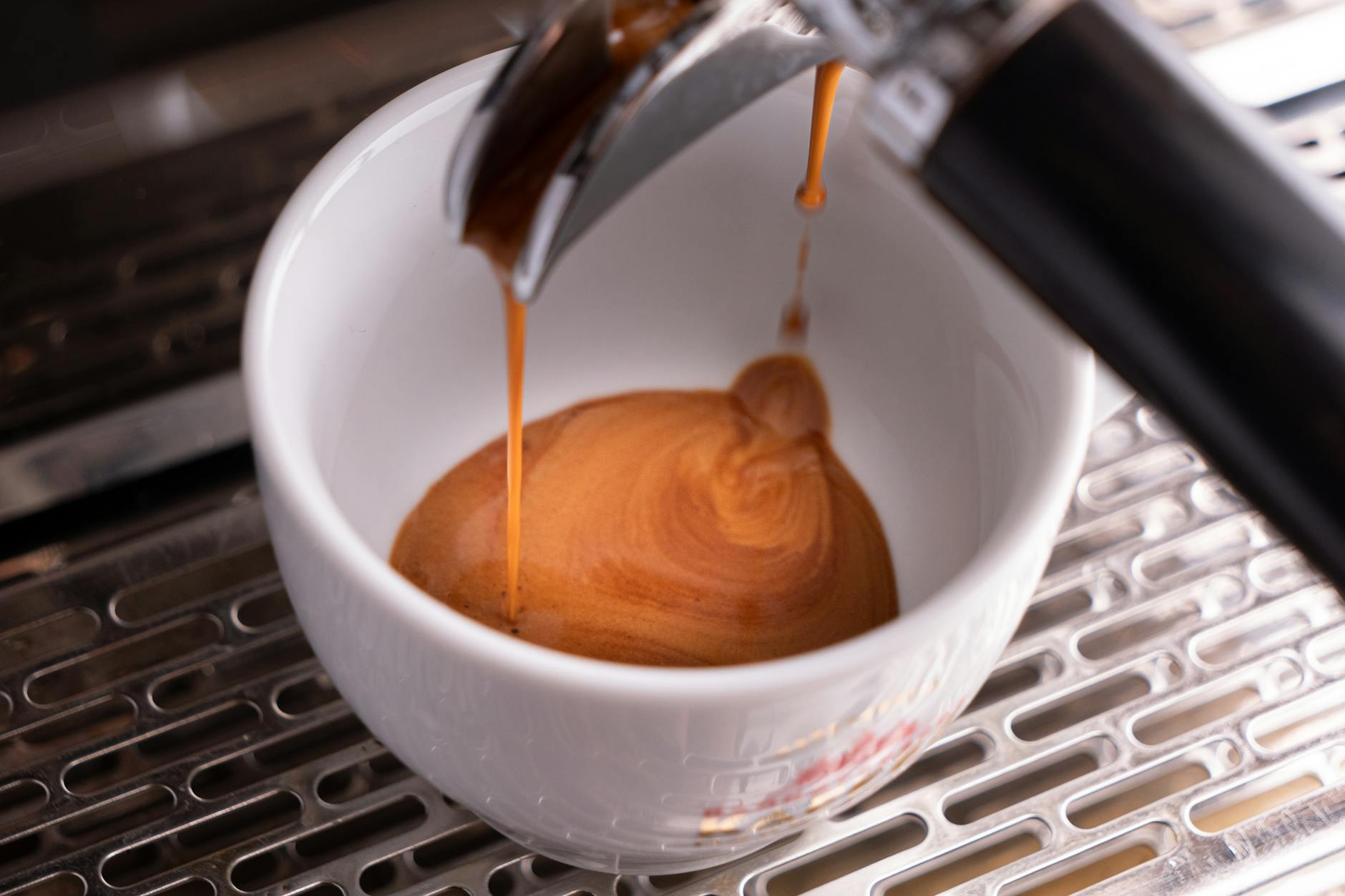
That beautiful, reddish-brown foam sitting atop your espresso is more than just a pretty layer; it’s a direct indicator of the coffee’s quality and, most importantly, its freshness. For coffee aficionados who frequent The Coffee Bean & Tea Leaf (CBTL), the consistency of their espresso crema is a hallmark of their experience. But what is the secret behind this velvety crown? It all comes down to a crucial, often-overlooked factor: the freshness of the beans. This article will delve into the science of crema, exploring how the journey of a coffee bean at CBTL, from roasting to your cup, directly impacts the quality of that final, delicious espresso shot. We will uncover why fresh beans are non-negotiable for a perfect crema and how CBTL’s processes ensure you get one every time.
What exactly is espresso crema?
Before we can understand the impact of freshness, we must first understand what crema is. It’s not just air or froth; crema is a complex and delicate emulsion. When hot, pressurized water is forced through a finely-ground puck of coffee, it emulsifies the natural oils within the beans, suspending them in a layer of microscopic bubbles of carbon dioxide (CO2). This rich foam also contains suspended coffee solids and aromatic compounds, making it a powerhouse of flavor and aroma. The ideal crema is thick, stable, and has a fine texture, often displaying a “tiger-striping” pattern of light and dark browns. Its presence is the first sign a barista looks for to gauge a well-pulled shot, indicating a proper grind, tamp, and, critically, freshly roasted coffee.
The role of carbon dioxide in fresh beans
The single most important gas in coffee is carbon dioxide. During the roasting process, complex chemical reactions inside the bean produce significant amounts of CO2, which becomes trapped within the bean’s cellular structure. This trapped CO2 is the engine that drives crema formation. When the hot, high-pressure water hits the ground coffee, this gas is released explosively, creating the tiny, stable bubbles that form the body of the crema. Freshly roasted beans are packed with this CO2. The Coffee Bean & Tea Leaf understands this critical window. By roasting their beans in small batches and ensuring they reach their cafes promptly, they guarantee the beans used for your espresso are in their peak freshness period, typically from a few days to three weeks post-roast. This commitment ensures the beans have enough CO2 to produce a thick, luscious, and aromatic crema that defines their signature espresso.
How aging beans lose their magic
Once roasted, coffee beans begin a race against time. The very CO2 that is essential for crema starts to escape in a process called degassing. While a short degassing period of a few days is necessary to let the most volatile gases release, the process continues, and over time, the beans lose the CO2 required for a robust crema. After several weeks, there simply isn’t enough gas left to produce more than a thin, pale, and quick-to-vanish foam. At the same time, another enemy attacks: oxygen. Oxidation causes the delicate oils in the coffee to become rancid, which not only destroys the crema’s structure but also results in a flat, stale, or even sour taste in the final cup. This degradation highlights why using old, pre-ground, or improperly stored beans will always lead to a disappointing espresso.
| Characteristic | Fresh Beans (3-21 days post-roast) | Stale Beans (4+ weeks post-roast) |
|---|---|---|
| CO2 Content | High and ready for extraction | Low / Mostly degassed |
| Crema Volume | Thick, rich, and voluminous | Thin, weak, or non-existent |
| Crema Stability | Lasts for several minutes | Dissipates in under a minute |
| Flavor Profile | Vibrant, complex, and aromatic | Flat, woody, or bland |
The CBTL promise in your cup
So, what does this all mean when you order your favorite latte or a simple double espresso at CBTL? It means their entire supply chain is optimized for freshness to protect the integrity of the crema. From sourcing high-quality arabica beans to their meticulous roasting process and rapid delivery to stores, every step is designed to preserve those essential oils and trapped CO2. When a CBTL barista grinds the beans just moments before pulling your shot, they are unlocking the maximum potential for a perfect extraction. The resulting rich, persistent crema is not a happy accident; it is the direct result of a system built on the principle that freshness is paramount. It’s a visual and flavorful confirmation that the coffee you are about to enjoy is of the highest quality, made from beans that are at their absolute peak.
In conclusion, the beautiful crema on your CBTL espresso is a direct and delicious testament to the freshness of their coffee beans. As we’ve explored, this foam is a complex emulsion of oils and CO2, both of which are only present in sufficient quantities within a short window after roasting. The science is clear: as beans age, they lose the vital CO2 needed to create a thick, stable crema, and their oils begin to oxidize, negatively impacting flavor. The Coffee Bean & Tea Leaf’s commitment to small-batch roasting and an efficient supply chain directly combats this degradation. By ensuring their baristas work with beans at their peak, they guarantee a superior espresso experience where the crema is not just decoration, but a true indicator of quality, aroma, and exceptional taste.


 No products in the cart.