

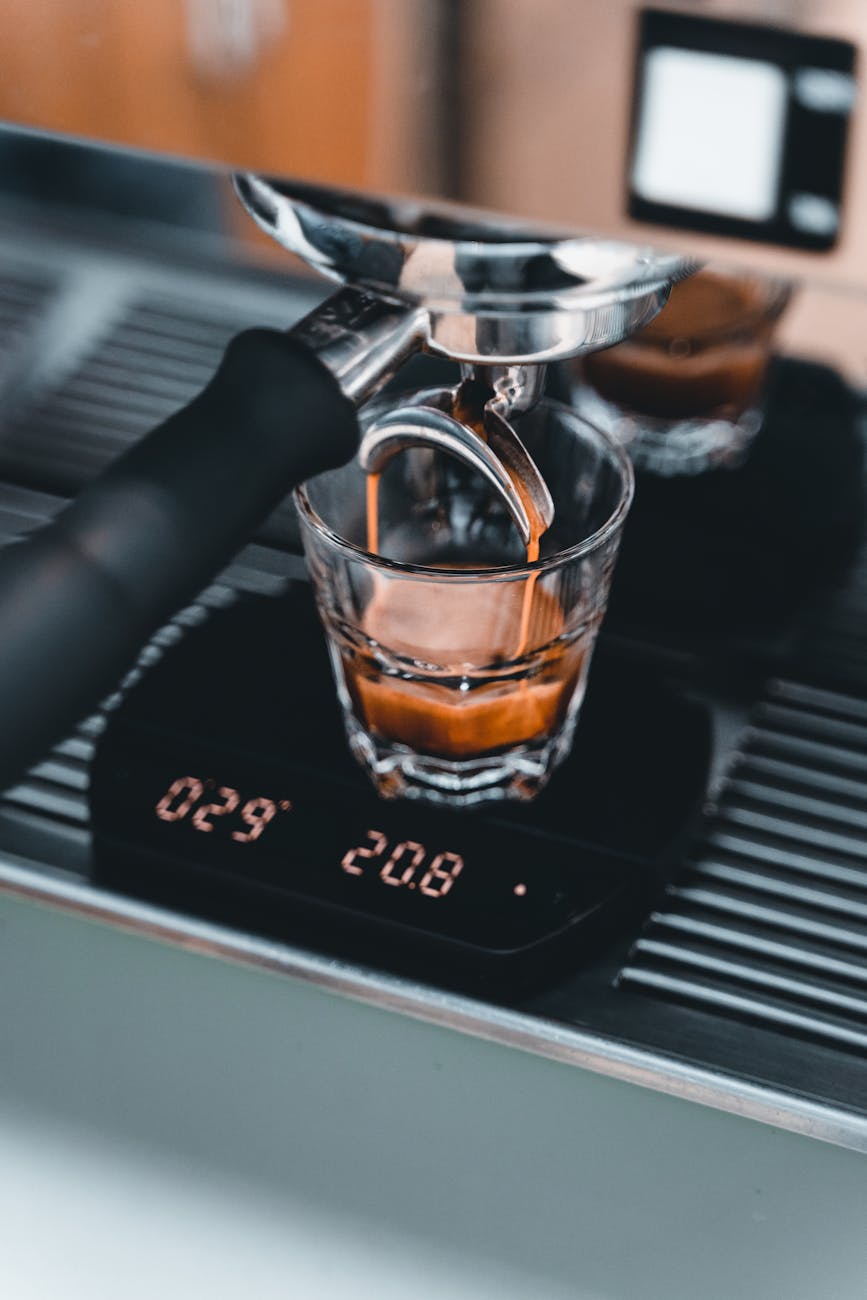
There’s nothing quite like the ritual of preparing a rich, aromatic shot of espresso at home. You’ve chosen quality beans, like those from The Coffee Bean & Tea Leaf, known for their consistent and flavorful roasts. You go through the motions, but the moment the coffee hits your tongue, you’re met with a sharp, puckering sourness. It’s a common and frustrating problem for home baristas. This sour taste is a clear signal that something in your brewing process isn’t quite right. In this guide, we will break down exactly why your espresso tastes sour and provide a step-by-step troubleshooting process. We’ll focus on the core variables of extraction so you can transform those disappointing shots into the balanced, sweet, and complex espresso you crave.
Why does my coffee bean & tea leaf espresso taste sour?
Before we can fix the problem, it’s crucial to understand what’s happening on a chemical level. That sour taste in your espresso is the signature of underextraction. Coffee beans contain a multitude of flavor compounds, including acids, sugars, and oils. When hot water passes through the coffee grounds, it extracts these compounds in a specific order. The bright, acidic, and often sour flavors are the first to dissolve. The sweetness and deeper, more complex notes come next, followed by the bitter compounds at the very end of the process.
When a shot is underextracted, it means the water has passed through the coffee grounds too quickly, or with insufficient energy, to dissolve the desirable sugars and oils. It essentially just grabs those initial sour acids and runs. This isn’t a fault of The Coffee Bean & Tea Leaf beans themselves; any coffee, regardless of its quality, will taste sour if it’s underextracted. Our goal, therefore, is to slow things down and give the water more time to interact with the coffee, creating a more complete and balanced extraction.
The foundation of a balanced shot: Grind size and dose
The two most powerful tools you have to control extraction are your grind size and your dose. They work together to create the right amount of resistance in your portafilter.
- Grind size: This is the number one culprit behind sour shots. If your coffee grounds are too coarse, they create large gaps for water to flow through easily. Think of trying to stop water with large pebbles versus fine sand. The sand provides more resistance. If your espresso shot is running too fast (e.g., under 20 seconds) and tastes sour, the immediate fix is to grind your beans finer. This increases the surface area of the coffee and compacts the grounds more tightly, forcing the water to work harder and extract more flavor.
- Dose: The dose is the weight of dry coffee grounds you put in your portafilter. Using a consistent dose is key to achieving repeatable results. We highly recommend using a digital scale that measures to at least 0.1 grams. For a standard double-shot basket, a good starting point is between 18 and 20 grams of coffee. If your dose is too low, there might not be enough coffee in the basket to provide adequate resistance, leading to a fast, watery, and sour shot, even with a fine grind.
Start by weighing your dose consistently. Once that’s set, make small, incremental adjustments to your grinder. Remember to purge a small amount of coffee between adjustments to ensure you’re using the new grind setting.
The golden ratio: Perfecting your brew time and yield
With your dose locked in and your grind adjusted, the next step is to measure the output. This is where we focus on brew time and yield, which together tell the story of your extraction. “Yield” simply refers to the weight of the liquid espresso in your cup. The relationship between your dose and your yield is called the brew ratio.
A great starting point for most espresso, including The Coffee Bean & Tea Leaf’s signature espresso blend, is a 1:2 ratio. This means for every 1 gram of dry coffee grounds, you want 2 grams of liquid espresso. For an 18-gram dose, your target yield would be 36 grams of espresso.
The final piece of the puzzle is time. The total time it takes to reach your target yield, from the moment you start the pump, should ideally be between 25 and 35 seconds. If you hit your 36-gram yield in only 15 seconds, your shot is flowing too fast and will be sour. This confirms that you need to go back to the previous step and grind finer. If it takes 45 seconds, it will likely be overextracted and taste bitter. The goal is to adjust your grind size until you achieve your target yield in that 25-35 second window.
| Problem Signature | Likely Cause | Primary Solution |
|---|---|---|
| Tastes sour, watery body, shot finishes in under 25 seconds | Underextraction | Grind finer to slow the shot down. |
| Tastes bitter, harsh, shot finishes in over 35 seconds | Overextraction | Grind coarser to speed the shot up. |
| Tastes weak but also sour or bitter | Incorrect dose or ratio | Ensure your dose is correct and aim for a 1:2 brew ratio. |
Beyond the basics: Temperature, tamping, and water
If you have dialed in your grind, dose, and yield but are still struggling with sourness, there are a few other factors to consider. First is brew temperature. Water that is too cool lacks the thermal energy to extract sugars and oils effectively, which can lead to sourness. Ensure your espresso machine is fully preheated, including the portafilter. If your machine has adjustable temperature controls (a PID), try increasing the temperature by a degree or two. For the typically medium-to-dark roasts from The Coffee Bean & Tea Leaf, a temperature between 90-94°C (195-202°F) is an excellent range.
Next, consider your tamping technique. An uneven or inconsistent tamp can cause channeling, where water finds a path of least resistance and bypasses most of the coffee puck. This results in a shot that is simultaneously underextracted (sour) and overextracted (bitter) in different parts. Focus on applying firm, even pressure to create a level bed of coffee. Finally, the quality of your water matters. Using filtered water is always best for both flavor and the health of your machine.
Pulling the perfect espresso shot is a rewarding pursuit, and eliminating sourness is the first major hurdle for any home barista. As we’ve seen, that unpleasant sour taste is almost always a symptom of underextraction. By adopting a methodical approach, you can easily diagnose and fix the issue. Start by ensuring a consistent dose with a scale, then make fine adjustments to your grinder to control the flow rate. Aim for that golden recipe of a 1:2 brew ratio in about 25 to 35 seconds. This single change—grinding finer to slow the shot—solves the problem over 90% of the time. With these techniques, you’ll be well-equipped to unlock the rich, sweet, and perfectly balanced flavors that The Coffee Bean & Tea Leaf coffee beans have to offer in every single cup.

 No products in the cart.