

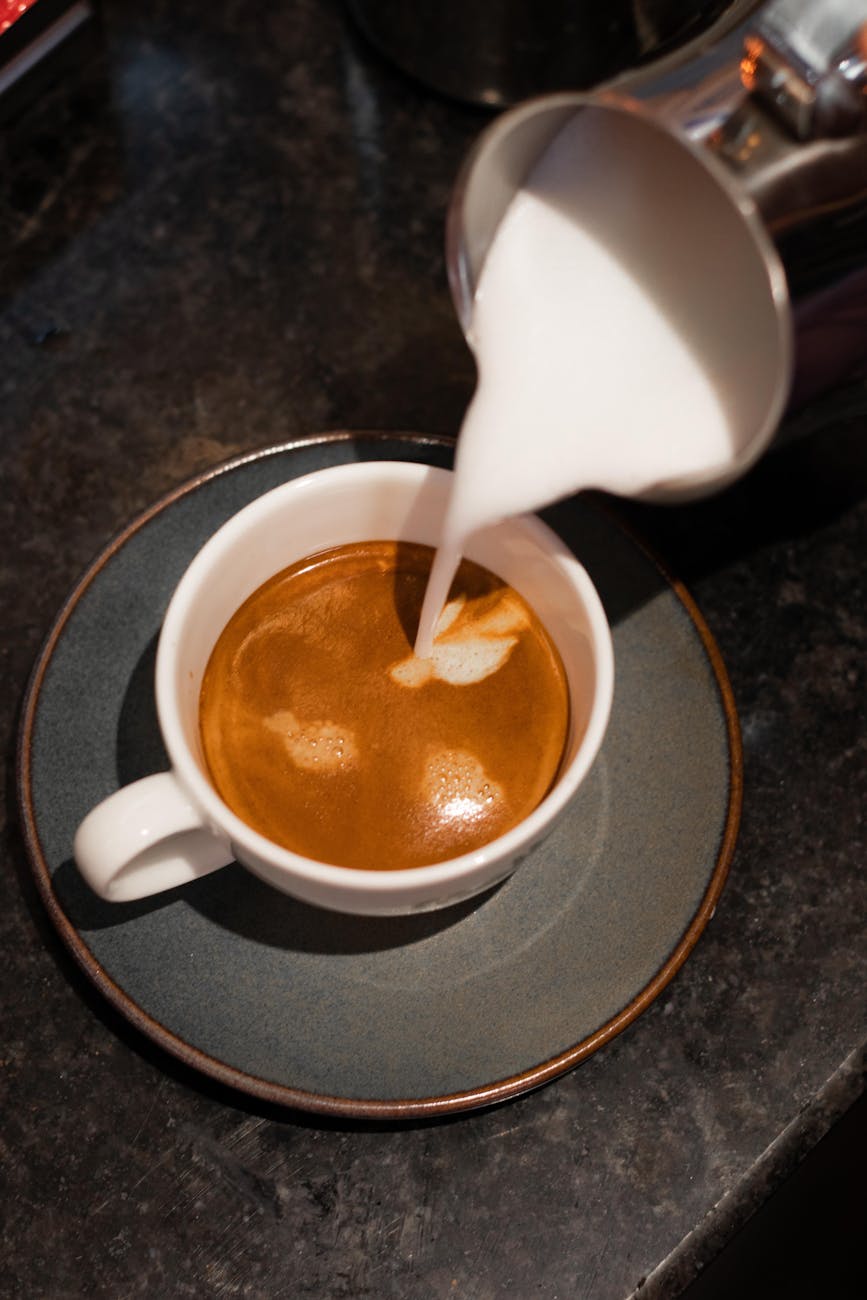
For decades, the sacred mantra of the cappuccino has been the 1:1:1 ratio: one part espresso, one part steamed milk, and one part airy foam. This simple, elegant formula served as the North Star for aspiring baristas and coffee lovers alike. However, as the world of specialty coffee has blossomed, this classic definition has become less of a rigid rule and more of a historical benchmark. For today’s home barista, armed with increasingly sophisticated equipment and access to exceptional coffee beans, understanding the evolution of this ratio is key. This journey moves beyond simple measurements, delving into a world of texture, flavor clarity, and the pursuit of a perfectly balanced cup that suits your personal taste.
The Italian origins of the 1:1:1 rule
The traditional 1:1:1 cappuccino is a product of its Italian heritage. Born in an era of darker roasted, robust espresso blends, the ratio was designed for a specific sensory experience. The foundation was a single shot of espresso, typically around 25-30ml. This was followed by an equal volume of hot, steamed milk. The crowning glory was the final third: a thick, stiff cap of airy, dry foam, often described as “schiuma.” This foam acted as an insulator, keeping the drink hot, and created a distinct, layered beverage. It was served in a small 150-180ml (5-6 oz) ceramic cup.
The experience was one of separation. You would first encounter the light, almost meringue-like foam, followed by the heated milk and coffee mixture below. This structure complemented the intense, often bitter notes of traditional Italian espresso, with the milk adding sweetness and the foam providing a textural contrast. This classic recipe is so ingrained in Italian culture that it’s even recognized by the Istituto Nazionale Espresso Italiano (Italian National Espresso Institute) as the standard for an authentic cappuccino.
The third wave shift: prioritizing texture and flavor
The dawn of the third wave coffee movement in the early 2000s fundamentally changed our relationship with coffee. The focus shifted from dark roasts and consistency to lighter roasts, single-origin beans, and the celebration of nuanced flavor profiles—notes of fruit, flowers, and bright acidity. Suddenly, the traditional cappuccino’s thick, dry foam cap became a liability. Instead of complementing the coffee, it acted as a barrier, obscuring the delicate and complex aromas and flavors of the carefully sourced espresso.
This new philosophy demanded a new approach to milk. The goal was no longer to create a stiff, separate layer of foam but to craft a homogenous, silky liquid known as microfoam. This involves steaming milk to create a vortex that incorporates air as millions of tiny, uniform bubbles. The result is a glossy, paint-like texture that integrates seamlessly with the espresso. This shift wasn’t just about taste; it was also visual, enabling the rise of latte art and elevating the drink into a more integrated, harmonious experience.
Redefining the modern cappuccino for the home barista
So, what is a cappuccino today? For the modern home barista, the definition is far more fluid and is dictated by texture and balance rather than strict volumetric parts. The modern cappuccino is still served in a small 150-180ml cup to maintain a strong coffee-to-milk presence, distinguishing it from a larger, milkier latte. However, the internal composition has completely changed.
Instead of 1:1:1, a modern cappuccino is closer to a 1:4 or 1:5 ratio of espresso to liquid milk, topped with a much thinner layer of that velvety microfoam—perhaps 1-1.5cm deep. The focus is on creating one unified beverage where the sweetness of the perfectly steamed milk elevates and balances the espresso’s flavor profile without overpowering it. The joy comes from a single sip that delivers a harmonious blend of rich espresso and creamy, sweet milk, with a luxurious texture from start to finish. This evolution has been fueled by the accessibility of prosumer equipment, allowing home enthusiasts to achieve the powerful steam pressure needed for cafe-quality microfoam.
Finding your perfect ratio: a practical guide
The most empowering aspect of this evolution is that there is no longer a single “correct” way to make a cappuccino. The best ratio is the one that you enjoy the most. Your journey as a home barista is about experimentation. The type of coffee bean, the kind of milk you use, and your personal taste all play a crucial role. A bright, acidic single-origin from Ethiopia might taste best with a little more milk to balance it, while a rich, chocolatey Brazilian bean might shine with a stronger coffee-forward ratio.
Use the following table as a starting point for your experiments:
| Style | Espresso Volume | Milk Texture | Flavor Profile |
|---|---|---|---|
| Traditional Italian | ~30ml | Thick, airy, dry foam cap | Layered, strong coffee hit after foam |
| Modern Specialty | ~36-40g (double shot) | Silky, integrated microfoam | Balanced, sweet, highlights espresso notes |
| Wet Cappuccino | ~36-40g (double shot) | Thinner microfoam, more liquid | Closer to a small latte, milk-forward |
Here are some tips to get started:
- Start with cup size: A 6oz (180ml) cup is ideal.
- Master your milk: Focus on steaming to create a glossy, wet-paint texture. Aim for just enough aeration to slightly increase the volume.
- Weigh your inputs and outputs: Use a scale to measure your espresso dose and final beverage weight for consistency.
- Taste everything: Don’t be afraid to adjust. If your drink is too weak, use less milk next time. If it’s too intense, add a little more. The goal is balance.
Ultimately, the journey from the rigid 1:1:1 rule to today’s flexible approach marks a significant maturation in coffee culture. The traditional cappuccino remains a beloved classic, a testament to its Italian roots. However, for the modern home barista, it serves as a foundation upon which to build. The evolution has empowered us to move beyond imitation and into the realm of creation. By understanding the principles of balance, mastering the craft of milk steaming, and trusting our own palates, we can stop chasing a universal standard. Instead, we can focus on crafting a personal, perfect cappuccino that brings out the very best in our favorite coffee beans, one delicious cup at a time.


 No products in the cart.