

How to pre-infuse dark roasts to reduce harshness in your home espresso
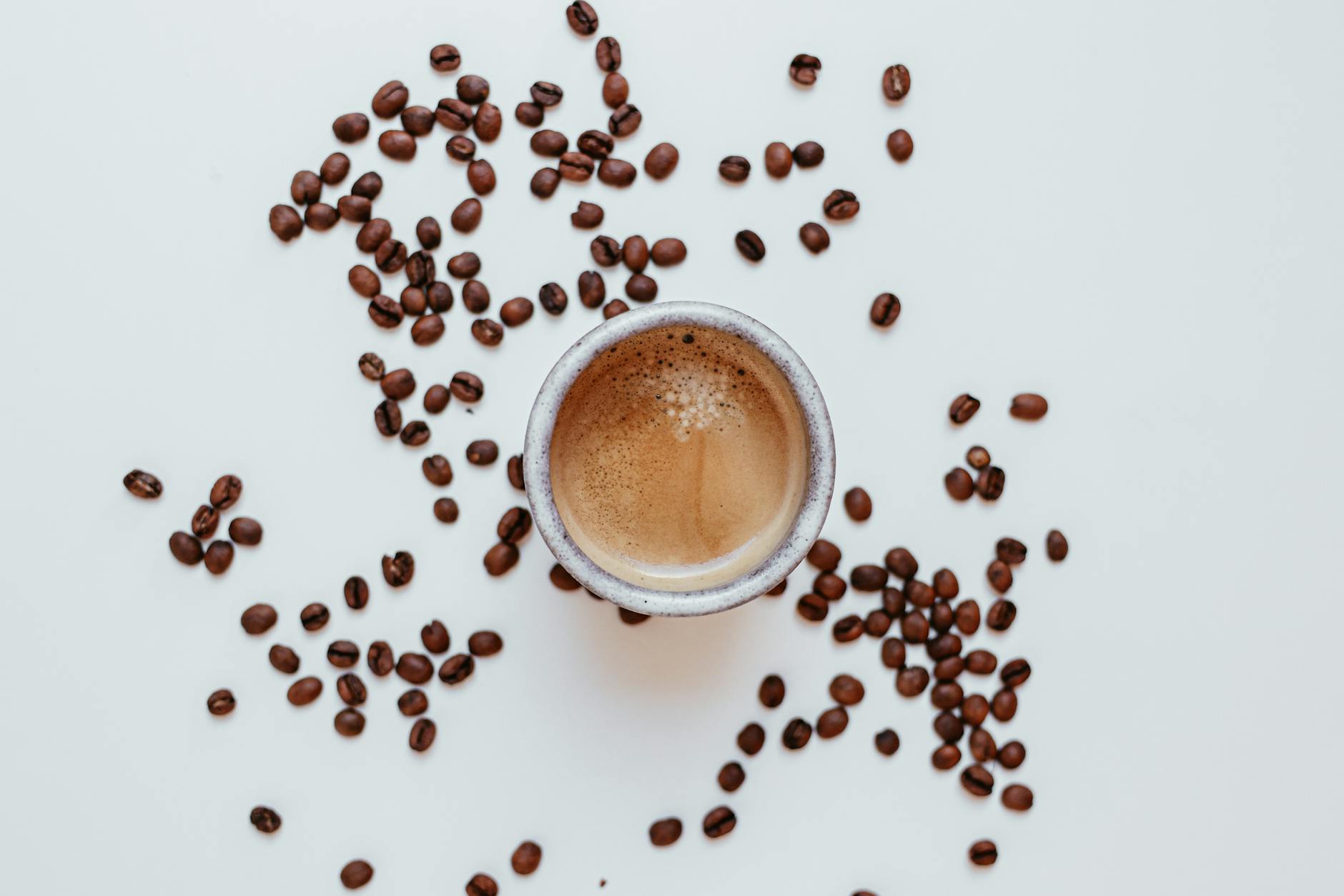
There’s a certain romance to a dark roast espresso. The rich crema, the bold and chocolatey flavors, and that classic, intense aroma are what many of us crave. Yet, brewing it at home can often lead to disappointment. Instead of a smooth, syrupy shot, you get a cup full of harshness, overwhelming bitterness, and an unpleasant, ashy aftertaste. This common problem isn’t necessarily your fault or a sign of bad beans. It stems from the unique physical properties of dark-roasted coffee. The good news is that there is a powerful technique you can use to tame that harshness and unlock the delicious potential within those dark, oily beans: pre-infusion. This article will guide you through why dark roasts are challenging and how to master pre-infusion for a perfectly balanced shot.
Why dark roasts can taste harsh
To understand the solution, we first need to understand the problem. The journey a coffee bean takes in the roaster fundamentally changes its structure. Dark roasts are heated for longer and at higher temperatures, pushing them past the “second crack.” This process makes the beans more porous, brittle, and less dense. As a result, the cellular structure of the coffee is more fragile. When hot, high-pressure water from your espresso machine hits this delicate coffee puck, it can shatter the grounds, creating tiny particles called “fines.” These fines migrate through the puck, clogging pores and causing water to carve uneven paths, a phenomenon known as channeling. This uneven extraction over-extracts some parts of the coffee (pulling out bitter, harsh compounds) while under-extracting others, leading to a muddled and unbalanced shot.
The role of pre-infusion in taming bitterness
Pre-infusion is the secret weapon against channeling and harshness. It’s the process of gently soaking the coffee puck with low-pressure water for a few seconds before applying the full nine bars of extraction pressure. Think of it like watering a very dry potted plant. If you blast it with a hose, the water runs off the sides. But if you gently sprinkle it first, the soil absorbs the water evenly. Pre-infusion does the same for your coffee puck. By allowing the grounds to gently swell and saturate, it settles the coffee bed, minimizes the risk of the high-pressure water fracturing the grounds, and ensures a more uniform flow throughout the entire extraction. This evenness is the key to avoiding the over-extraction of bitter compounds, resulting in a sweeter, more balanced, and less harsh espresso.
A practical guide to applying pre-infusion
How you apply pre-infusion depends on your espresso machine, but the principle is the same: wet the puck gently before the main extraction. Here’s how to approach it with different setups:
- Machines with built-in pre-infusion: Many modern machines (like those from Breville/Sage) have programmable pre-infusion. Start with a pre-infusion time of 7-10 seconds. This is typically longer than you would use for a light roast. The goal is to see the first few drops of espresso appear at the end of the pre-infusion cycle, just before the pump kicks in at full pressure.
- E61 group heads: A classic E61 group head has a mechanical pre-infusion chamber. Simply lifting the lever to the middle position allows water to flow from the boiler at line pressure (usually around 3-4 bar) to saturate the puck. Hold it there for 5-8 seconds before lifting the lever fully to engage the pump.
- Manual machines and lever machines: You have the ultimate control. With a lever machine, you can lift the lever just enough to let water in and hold it to soak the puck before pulling the full shot. On basic semi-automatic machines without a dedicated feature, you can try a “manual” pre-infusion by turning the pump on for 2-3 seconds, then off for 5-7 seconds, and then back on to complete the shot.
The key is to be gentle. A long, slow pre-infusion gives the fragile dark roast grounds the time they need to absorb water without being blasted apart.
Beyond pre-infusion: Fine-tuning your recipe
Pre-infusion is a game-changer, but it works best as part of a holistic approach. Dark roasts are more soluble than light roasts, meaning their flavors extract much more quickly. To avoid pulling out ashy and bitter flavors, you need to adjust your other brewing variables to accommodate this. Consider pre-infusion the foundation, and these adjustments the finishing touches. You generally want to extract less from a dark roast than you would from a light roast. This means using a lower temperature, a slightly faster shot time, and potentially a coarser grind. Finding the right balance between these elements is key to a perfect shot.
| Parameter | Starting point for dark roasts | Reasoning |
|---|---|---|
| Brew temperature | 88-92°C (190-198°F) | Lower temperatures reduce the extraction of bitter, roasty compounds. |
| Pre-infusion time | 7-10 seconds | Allows for full, gentle saturation of the brittle grounds to prevent channeling. |
| Grind size | Slightly coarser than for a medium roast | Helps prevent the machine from choking and reduces the creation of excess fines. |
| Brew ratio | 1:1.5 to 1:2 (e.g., 18g in, 27-36g out) | A tighter ratio emphasizes body and sweetness while minimizing bitterness. |
| Total shot time | 20-25 seconds (including pre-infusion) | A faster extraction prevents the over-extraction of ashy and bitter flavors. |
Bringing it all together for a smoother cup
Mastering dark roast espresso at home doesn’t have to be a frustrating experience. While these beans are inherently more brittle and prone to creating a harsh cup, the problem is not insurmountable. The solution lies in a gentle approach. By implementing a longer, low-pressure pre-infusion, you stabilize the coffee puck and prevent the channeling that leads to bitterness. When you combine this technique with thoughtful adjustments to your grind size, brew temperature, and shot ratio, you change the game entirely. You move from fighting against the coffee to working with its unique characteristics. The result is a transformation from a harsh, ashy brew into the rich, smooth, and deeply satisfying espresso shot you were hoping for all along.

 No products in the cart.