

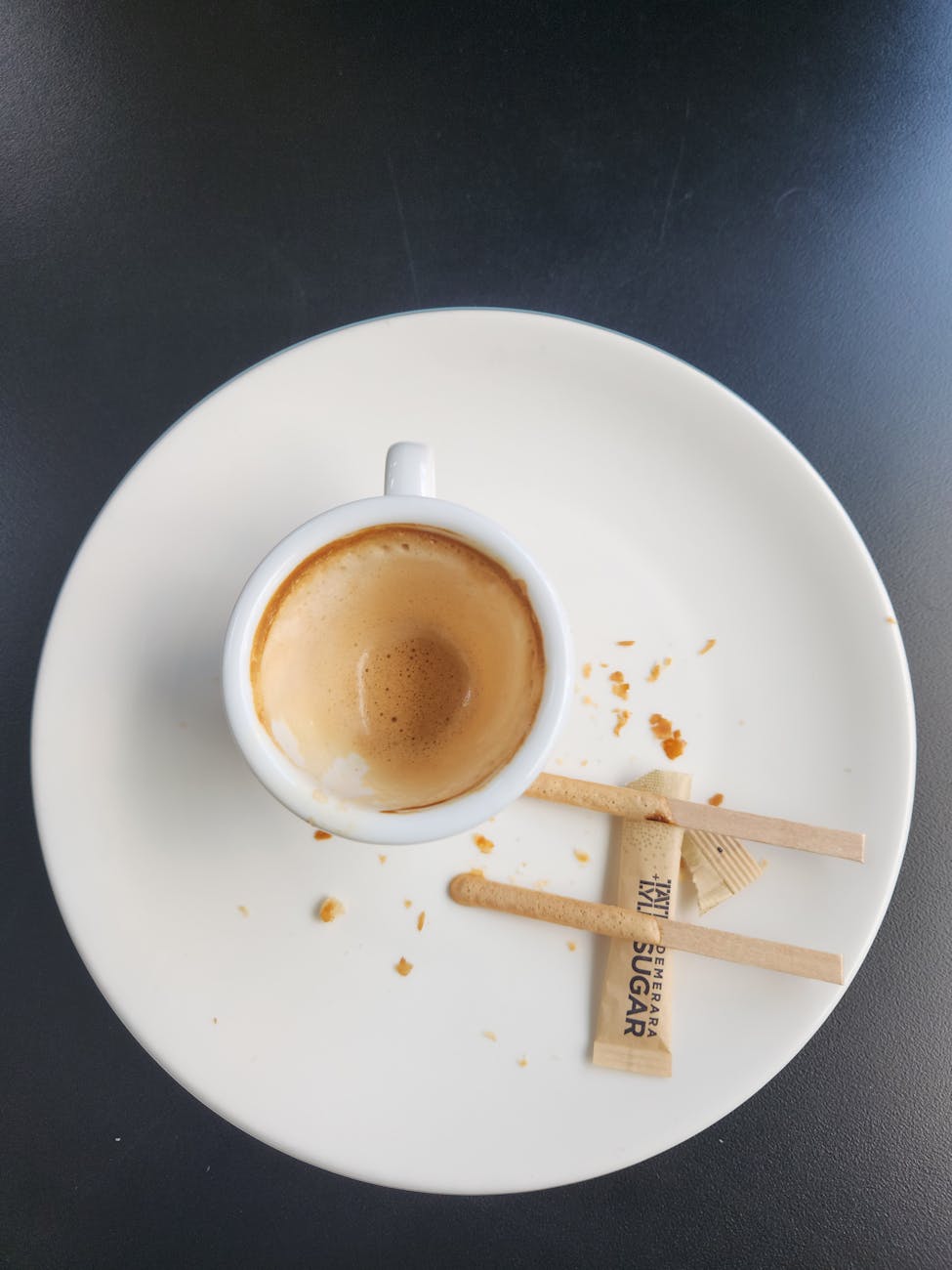
The sweet debate: When to add sugar to your espresso for the best taste
For many coffee lovers, a small spoonful of sugar is the final touch that perfects their daily espresso. It’s a simple, almost unconscious ritual. But what if we told you that when you add that sugar—before or after the coffee is brewed—could fundamentally change your entire sensory experience? This isn’t just a matter of habit; it’s a subtle technique that impacts taste, texture, and even the iconic crema. The debate between adding sugar before or after the espresso pull is a quiet one, often discussed by seasoned baristas and discerning enthusiasts. In this article, we will dive deep into this topic, exploring the science behind the sweetness and dissecting the distinct profiles each method creates, helping you decide which ritual is right for you.
The science of sweetness: How sugar dissolves in coffee
To understand the difference between the two methods, we first need to look at the simple chemistry of dissolution. Sugar, or sucrose, is a crystal that dissolves when its molecules are broken apart and surrounded by liquid molecules, in this case, water from the coffee. The speed and quality of this process are influenced by three key factors: temperature, agitation, and pressure. When you pull an espresso shot, you are working with extremely hot water (around 90-96°C or 195-205°F) forced through coffee grounds at high pressure. These conditions are perfect for dissolving sugar. The core difference between adding sugar before or after the pull lies in how the sugar crystals interact with these powerful forces, which in turn creates a cascade of effects on the final cup’s sensory profile.
The pre-pull method: A syrupy integration
Placing sugar in the demitasse before the espresso shot is a technique favored in many traditional Italian coffee bars. When the first drops of hot, pressurized espresso hit the sugar crystals, the dissolution is immediate and violent. This intense interaction doesn’t just dissolve the sugar; it transforms it.
- Taste: The high heat and force can slightly caramelize the sugar, creating a deeper, more rounded sweetness that is fully integrated into the coffee’s body. The sweetness isn’t a separate layer; it becomes part of the espresso’s fundamental flavor. Many find this method tames the bitterness and acidity more effectively, resulting in a smoother, more unified taste experience.
- Mouthfeel: This is where the “before” method truly shines for its fans. The rapid, complete dissolution of sugar into the espresso as it’s being brewed results in a noticeably thicker, more viscous, and syrupy texture. The coffee feels richer and heavier on the palate.
- Crema: The crema takes a hit with this method. The sugar crystals disrupt the formation of the delicate foam, often causing it to dissolve faster and appear darker and less stable. For those who prioritize mouthfeel over a picture-perfect crema, this is a worthy trade-off.
The post-pull method: A layered experience
Adding sugar after the espresso has been fully brewed is undoubtedly the more common practice worldwide. It offers a different kind of control and leads to a distinctly different sensory journey. After the shot is pulled and the crema is admired, the sugar is added and stirred in manually. This separation of steps preserves the initial characteristics of the espresso before modification.
- Taste: With this method, the sweetness is an addition rather than an integration. You can taste the pure, unadulterated espresso first, with its bright notes, bitterness, and acidity, before the sweetness from the stirred-in sugar comes through. The sweetness can be perceived as “sharper” or more distinct from the coffee itself, creating a layered flavor profile.
- Mouthfeel: The body of the espresso remains true to how it was extracted. The final texture is less syrupy and depends entirely on how thoroughly you stir. If not mixed well, you risk a gritty texture from undissolved sugar at the bottom of the cup.
- Crema: The crema can be fully appreciated in its initial, pristine state. It will be thick, reddish-brown, and stable. The act of stirring with a spoon will, of course, break it up, but you first get to experience the espresso as the barista intended.
A side-by-side comparison: Which method is for you?
Ultimately, neither method is definitively “correct.” The best choice comes down to personal preference and what you value most in your cup of espresso. Do you seek a unified, rich, and syrupy brew, or do you prefer a layered experience where the coffee’s original character shines through first? To help you decide, here is a direct comparison of the two techniques.
| Sensory Attribute | Sugar Before The Pull | Sugar After The Pull |
|---|---|---|
| Taste Profile | Integrated, rounded, and deep sweetness. Less perceived bitterness. | Layered and bright sweetness. The original coffee flavor is tasted first. |
| Mouthfeel / Texture | Viscous, syrupy, and heavier body. | Lighter body, true to the original shot. Texture depends on stirring. |
| Crema Appearance | Often thinner, darker, and dissolves more quickly. | Pristine and stable initially, broken up by stirring. |
| Control | Less control; sweetness is locked in from the start. | Full control; add sugar to taste after brewing. |
Conclusion
The seemingly trivial decision of when to add sugar to your espresso is, in fact, a choice between two distinct philosophies of flavor. It proves that in the world of coffee, every small detail matters. Adding sugar before the pull leverages the heat and pressure of extraction to forge a unified, syrupy-bodied coffee with a deep and rounded sweetness. Conversely, adding sugar after the pull preserves the espresso’s initial integrity, offering a layered taste experience with a brighter sweetness that you can adjust to perfection. There is no right or wrong answer, only a personal preference. We encourage you to experiment. Try both methods side-by-side and pay close attention to the differences in taste and texture. You may just discover a new ritual that elevates your daily coffee from simple routine to a moment of sensory delight.


 No products in the cart.