

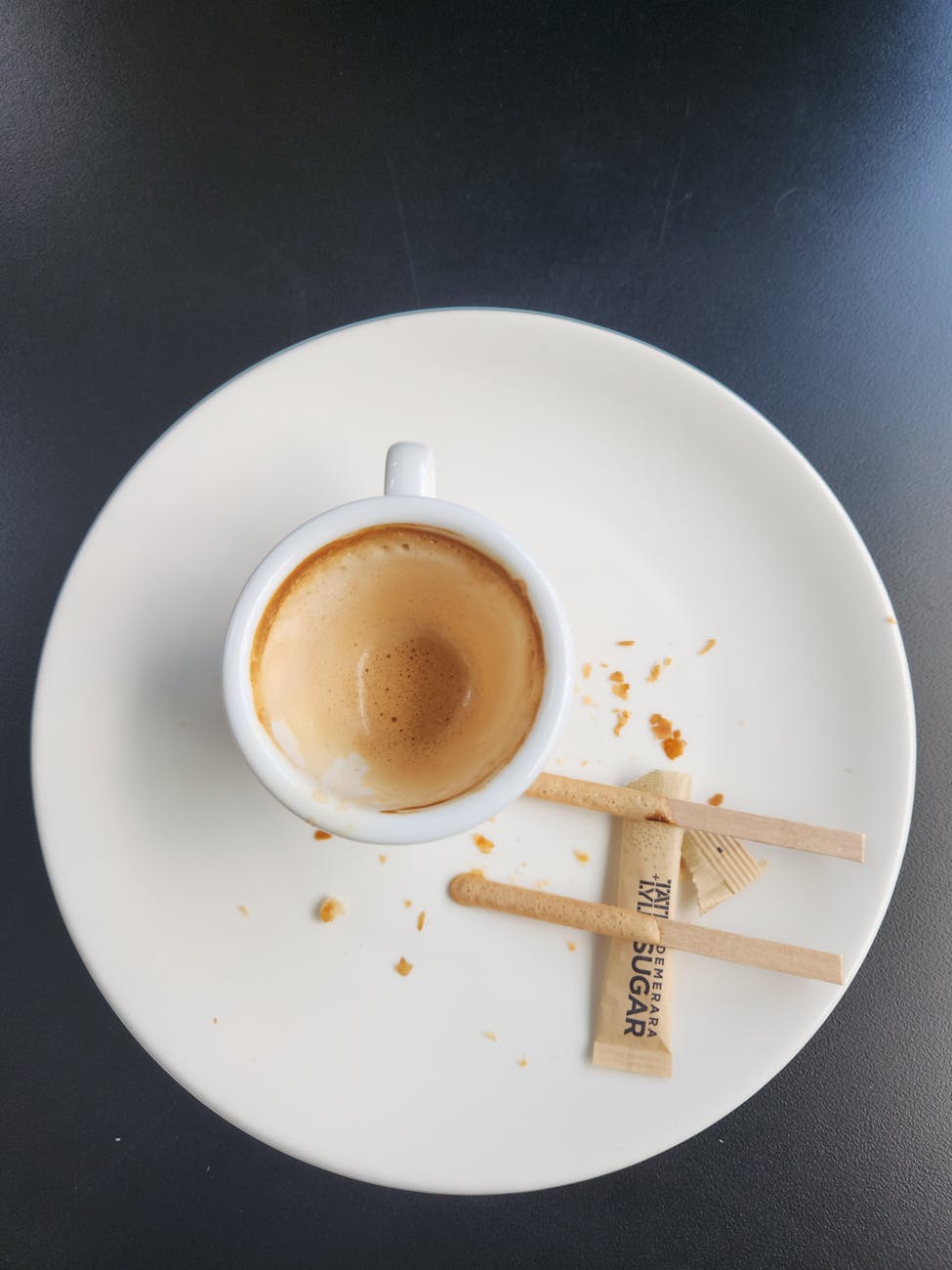
Does adding sugar change the perceived viscosity and body of your espresso?
The daily ritual of preparing an espresso is a cherished moment for many coffee lovers. For some, the final touch is a spoonful of sugar, stirred in to temper the bitterness and round out the flavors. But does this simple act of sweetening do more than just alter the taste? The question of whether sugar changes the physical characteristics of espresso, specifically its viscosity and body, is a fascinating intersection of chemistry, physics, and sensory perception. It’s a subtle transformation that many people feel but may not fully understand. This article will delve into the science behind this common practice, exploring how dissolving sugar into your cup affects its texture and overall mouthfeel, turning a simple coffee break into a small scientific experiment.
Understanding espresso’s body and viscosity
Before we introduce sugar into the equation, it’s crucial to understand what gives a well-pulled espresso its characteristic texture. When we talk about body or mouthfeel, we are referring to the perceived weight, richness, and texture of the coffee on our palate. Is it thin and watery, or is it heavy and creamy? This sensation is created by a complex combination of elements suspended and dissolved in the water.
Viscosity, on the other hand, is the scientific measurement of a fluid’s resistance to flow. A liquid with high viscosity, like honey, flows much more slowly than a liquid with low viscosity, like water. In espresso, the increased viscosity compared to regular coffee is due to several key components:
- Emulsified oils: Coffee beans contain natural oils. The high pressure of an espresso machine forces these oils into the water, creating a stable emulsion that contributes significantly to a creamy texture.
- Suspended solids: These are microscopic coffee grounds and other insoluble particles that make it through the filter. They add texture and a lingering sensation.
- Dissolved solids: These are the flavorful organic compounds, acids, and melanoidins that are extracted from the coffee grounds. They increase the density of the liquid.
Together, these elements, along with the iconic crema on top, create the full-bodied and viscous experience that defines a great espresso.
The science of dissolving sugar
When you add a spoonful of sugar (typically sucrose) to your hot espresso, a straightforward yet impactful chemical process begins: dissolution. The hot water in the espresso has enough energy to break apart the crystalline structure of the sugar. The individual sucrose molecules then disperse evenly throughout the liquid, fitting in between the water molecules. This process fundamentally changes the composition of the solution.
From a physical standpoint, you are increasing the concentration of total dissolved solids (TDS) in the cup. An espresso might have a TDS of 8-12%, which is already very high compared to drip coffee (around 1.5%). By adding sugar, you are directly adding more “stuff” for the water to hold. This increased concentration of solute (sugar) in the solvent (espresso) has a direct effect on the liquid’s physical properties. The sugar molecules interact with the water molecules, creating more internal friction and making it more difficult for the molecules to move past one another. This increased friction is, by definition, an increase in viscosity.
How sugar impacts perceived texture and mouthfeel
The scientific increase in viscosity translates directly to a noticeable change in sensory perception. While your tongue may not be a viscometer, it is incredibly sensitive to textural changes. The espresso with added sugar will feel heavier, richer, and more syrupy in your mouth. This is the change in body we referred to earlier. The liquid coats your palate more thoroughly, and the sensation lingers longer.
This effect is enhanced by sugar’s ability to modulate taste. Sugar is excellent at masking bitterness and sourness. By reducing the perception of sharp or astringent notes, the coffee can feel “smoother.” This psychological effect of smoothness, combined with the real physical increase in viscosity, creates a powerful perception of a much fuller and more luxurious body. The experience becomes less about the sharp, intense notes of the espresso and more about a rounded, velvety, and sweet profile. It’s a clear example of how a single ingredient can alter both the taste and the physical feeling of a drink.
A quantitative look at sugar’s effect
The change in body and viscosity is not an “on or off” switch; it’s a spectrum that depends on the amount of sugar added. A small amount will subtly smooth out the edges, while a larger quantity will create a distinctly thick, dessert-like consistency. While precise measurements require lab equipment, we can illustrate the general relationship between the amount of sugar and the perceived effect on the espresso.
The table below provides a simplified overview of how adding standard amounts of sugar to a double espresso (approx. 50-60ml) can alter its properties.
| Amount of sugar | Approximate increase in TDS* | Perceived change in body and viscosity |
|---|---|---|
| No sugar (Control) | Baseline (e.g., 10%) | Standard espresso texture, body defined by the coffee’s oils and solids. |
| Half teaspoon (~2g) | +3-4% | A subtle but noticeable increase in smoothness; the body feels slightly fuller and more rounded. |
| One teaspoon (~4g) | +6-8% | A distinct change in texture. The liquid feels heavier and has a syrupy quality on the palate. |
| Two teaspoons (~8g) | +12-16% | A significant transformation. The espresso is now very thick, with a heavy, dessert-like mouthfeel. |
*TDS (Total Dissolved Solids) increase is an approximation and can vary based on espresso volume and initial concentration.
Conclusion
So, does adding sugar change the perceived viscosity and body of your espresso? The answer is a definitive yes. This is not just a matter of taste or imagination; it is a real physical and chemical phenomenon. By dissolving into the espresso, sugar increases the total concentration of solids, which in turn increases the liquid’s scientific viscosity. Our highly sensitive palates perceive this change as an increase in body—a richer, smoother, and more syrupy mouthfeel. This textural transformation, combined with sugar’s ability to mask bitterness, fundamentally alters the entire sensory experience. Whether you prefer your espresso pure and unadulterated or sweet and velvety, understanding the science behind your choice adds another layer of appreciation to this beloved beverage.

 No products in the cart.