

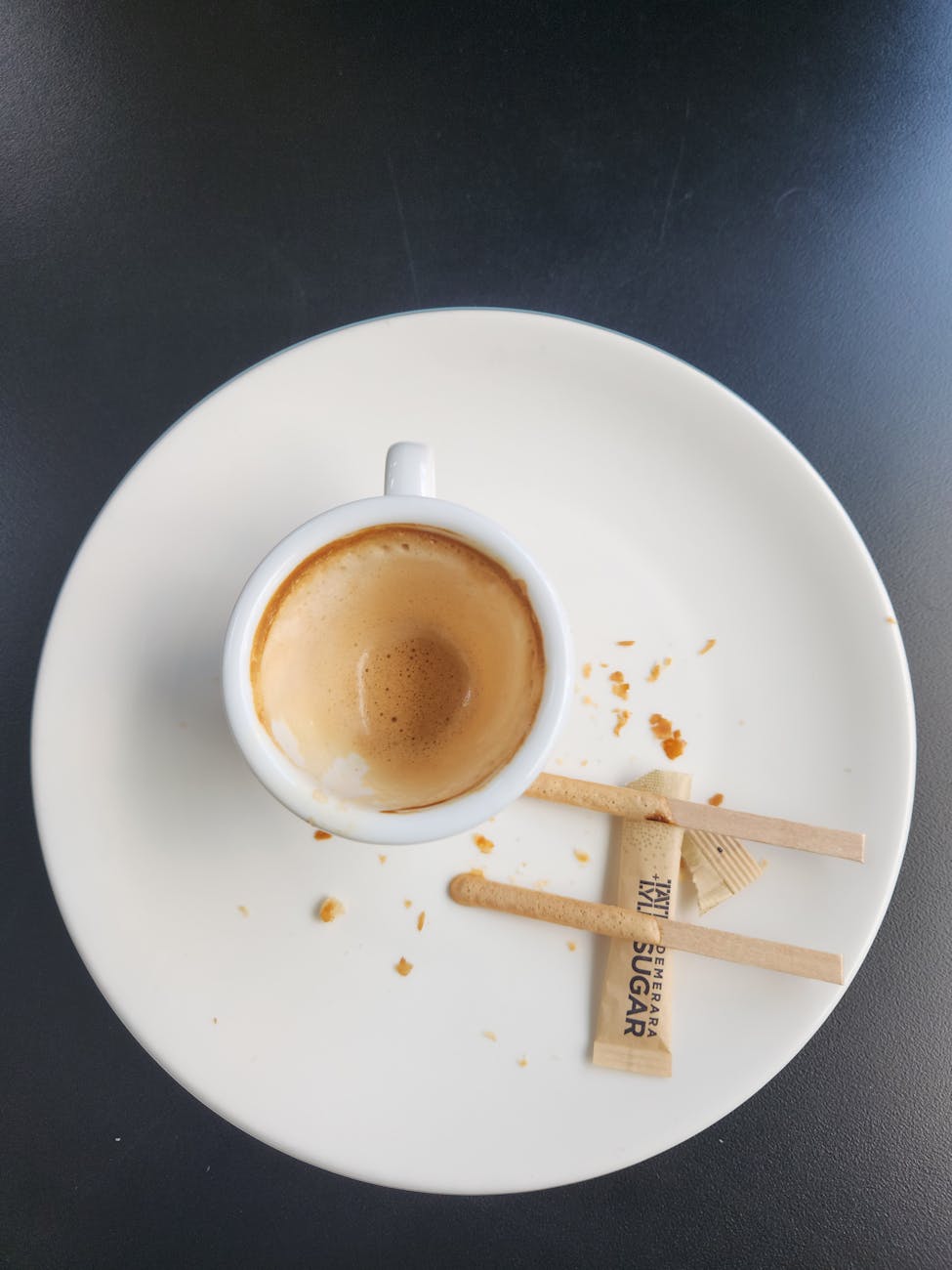
The ritual of adding a spoonful of sugar to a freshly pulled espresso is a daily habit for many. We watch as the dark, syrupy liquid swirls, crowned by a rich, hazelnut-colored crema. But beneath the surface of this simple act lies a fascinating chemical interaction. This isn’t just about making the coffee sweeter; it’s about fundamentally changing its physical structure and sensory profile. The sugar molecules don’t just dissolve; they engage in a complex dance with the delicate lipids and oils extracted from the coffee grounds under intense pressure. This article will explore that very interaction, delving into how sugar transforms the espresso’s crema, alters its mouthfeel, and ultimately reshapes the entire flavor experience, turning a simple beverage into a lesson in chemistry.
The science of espresso crema: a world of lipids and oils
Before we can understand how sugar changes espresso, we must first appreciate the magic of the crema. That beautiful, persistent foam isn’t just for show. It’s a complex colloid, an emulsion of microscopic coffee oils and lipids suspended in water, with bubbles of carbon dioxide gas trapped within. These lipids are extracted from the coffee bean during the high-pressure brewing process. They are crucial for two reasons: they are responsible for the rich, viscous mouthfeel of a good espresso, and they act as a vehicle for many of the coffee’s volatile aromatic compounds. Essentially, the crema is a flavor and aroma trap. This oily layer is what gives espresso its signature syrupy body and lingering aftertaste, distinguishing it from other coffee brewing methods.
The sweet takeover: viscosity and dissolution
When sugar, typically sucrose, is introduced into the hot espresso, the first and most immediate change is physical. The sugar crystals dissolve, breaking down into individual molecules that disperse throughout the liquid. As these molecules integrate, they increase the overall density and viscosity of the espresso. Think of how honey is thicker than water; adding sugar pushes the coffee’s consistency slightly in that direction. This thickening of the liquid phase is a critical first step because it directly impacts the delicate structure of the crema. The espresso is no longer just hot water and emulsified oils; it is now a heavier, more syrupy solution, setting the stage for significant changes in both texture and stability.
Crema’s delicate balance: stability meets texture
The newly increased viscosity has a dual effect on the crema. Initially, it can appear to stabilize it. The thicker liquid provides more structural support for the CO2 bubbles, making the walls of each tiny bubble stronger and more resistant to popping. However, sugar is also hygroscopic, meaning it attracts and holds onto water molecules. This process can pull water away from the lipid emulsion, causing the crema to break down and integrate into the liquid more quickly. The result is a crema that is less airy and voluminous but feels denser and richer on the palate. The texture of the entire drink shifts from being sharp and light to something rounder, heavier, and smoother.
| Characteristic | Espresso without sugar | Espresso with sugar |
|---|---|---|
| Crema structure | Light, airy, distinct foam layer. | Denser, heavier, integrates faster. |
| Mouthfeel | Syrupy yet light, defined texture. | Rounder, thicker, more viscous body. |
| Flavor release | Sharp release of bright, acidic, and bitter notes. | Muted release, bitterness is masked. |
| Viscosity | Lower | Higher |
A new flavor profile: how sugar alters taste perception
The most noticeable change, of course, is in the flavor. Beyond the obvious sweetness, the interaction between sugar and lipids reshapes how we perceive the coffee’s inherent tastes. The coffee oils in the crema are carriers for many of the most delicate and volatile aroma compounds, which are responsible for floral, fruity, and acidic notes. When sugar thickens the espresso and collapses the crema, the release of these aromas can be suppressed. At the same time, the sweetness effectively masks the perception of bitterness, which for some is a welcome change. The result is a flavor profile that is less complex and nuanced but often perceived as more balanced and mellow. The bright, sharp edges of the espresso are smoothed over, creating a different, yet equally valid, sensory experience.
In conclusion, adding sugar to espresso is a transformative act that goes far beyond simple sweetening. It is a chemical and physical process that re-engineers the beverage from the moment the crystals dissolve. The sugar interacts directly with the crucial lipids and oils, increasing the liquid’s viscosity and altering the delicate structure of the crema. This interaction leads to a noticeable shift in mouthfeel, transforming a light, syrupy shot into a heavier, rounder drink. Furthermore, it fundamentally changes our flavor perception by masking bitterness while simultaneously muting some of the coffee’s more subtle aromatic notes. So, the next time you sweeten your espresso, take a moment to appreciate the complex interplay happening in your cup, a perfect example of chemistry enhancing a daily ritual.



 No products in the cart.