

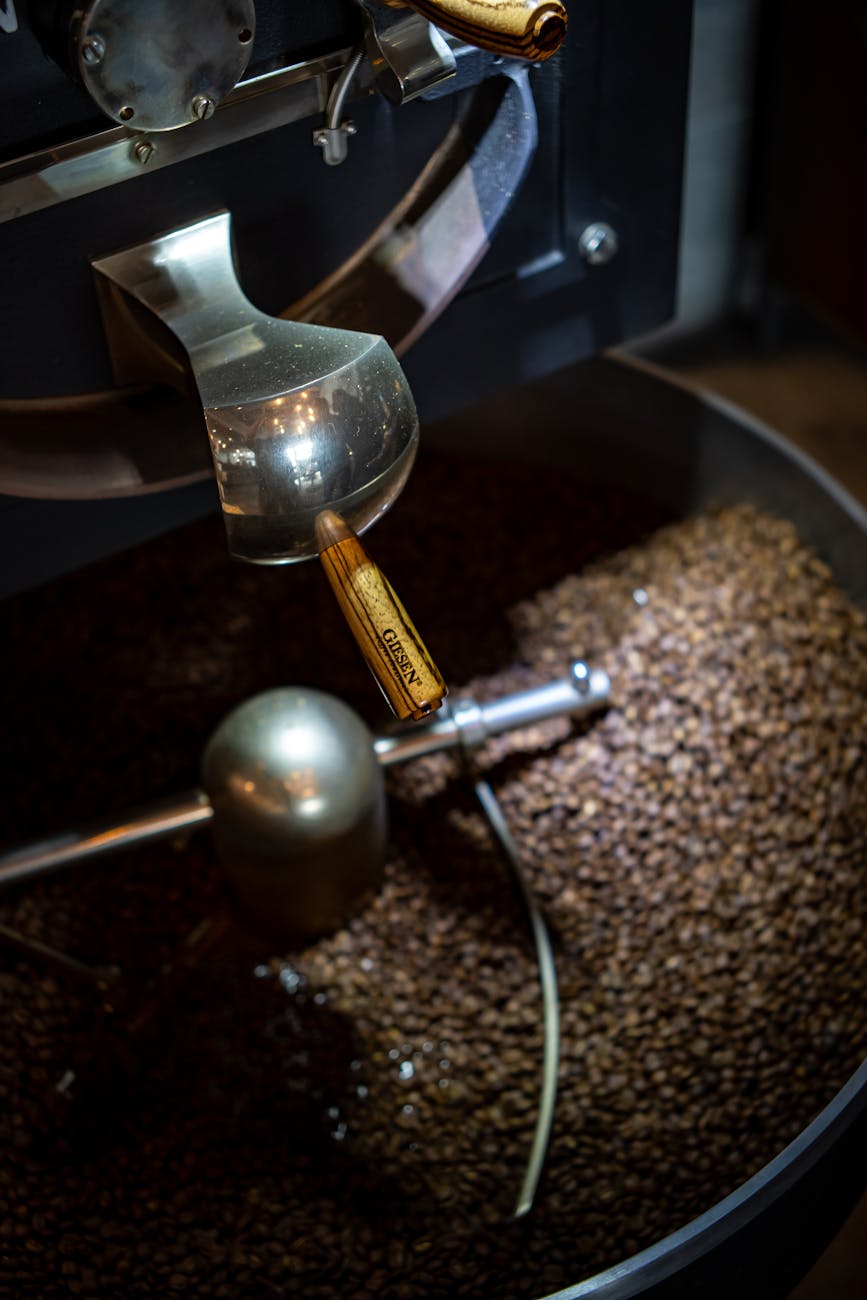
From sweet to neat: How to transition your palate to black espresso
That first sip of a sweetened, creamy espresso drink can feel like a perfect morning ritual. Whether it’s a teaspoon of sugar, a pump of vanilla syrup, or a splash of milk, many of us are accustomed to softening the bold punch of espresso. But have you ever wondered what you might be missing? Beneath that sweet layer lies a world of complex flavors: notes of chocolate, hints of fruit, and deep nutty undertones, all naturally present in the coffee bean itself. Making the switch from a sweetened shot to a pure, black espresso can seem daunting, even impossible. This guide is designed to walk you through that transition, proving that it’s not about deprivation but about retraining your palate to discover and appreciate the rich, nuanced taste of espresso in its purest form.
Understanding your sugar habit
Before you can ditch the sugar, it helps to understand why you started using it in the first place. For most people, it’s not just about having a sweet tooth. More often than not, adding sugar is a reaction to the coffee itself. Low-quality, over-roasted, or poorly prepared espresso can be overwhelmingly bitter or unpleasantly sour. Sugar is a quick fix, masking these undesirable flavors and making the drink palatable.
This becomes a cycle. You drink bitter coffee, you add sugar, and your palate becomes accustomed to that sweet profile, expecting it with every cup. The goal is to break this cycle by addressing the root cause: the coffee’s quality. By improving the espresso you’re drinking, you eliminate the need to mask its flavor. The first step in this journey isn’t about willpower; it’s about recognizing that you’ve likely been using sugar as a crutch for a subpar coffee experience. As we move forward, we’ll focus on upgrading the coffee so you no longer need anything to hide it.
Start with better beans and a better brew
The single most important factor in enjoying black espresso is the quality of the coffee itself. You can’t expect to enjoy the taste of a bitter, burnt shot without sugar. The key is to start with a foundation that is naturally sweet and flavorful.
- Choose quality beans: Move away from generic supermarket brands and explore beans from a local roaster or specialty coffee supplier. Look for bags with a “roasted on” date. Freshly roasted beans (within the last few weeks) have a vibrant flavor that stale beans lack.
- Consider the roast profile: If you’re new to black espresso, a medium roast is your best friend. Dark roasts can often have a roasty, bitter character that can be challenging for a transitioning palate. Light roasts can be very bright and acidic, which might be perceived as sour. A medium roast typically offers a balanced profile with pleasant notes of chocolate, caramel, and nuts.
- Pay attention to extraction: How the espresso is pulled is crucial. An “underextracted” shot will taste sour, while an “overextracted” shot will be bitter and harsh. A well-pulled shot should be balanced, sweet, and rich. If you’re making espresso at home, experiment with your grind size and shot time. If you’re buying it, find a café that prides itself on quality and consistency.
By focusing on a high-quality, fresh, and properly prepared espresso, you’re setting yourself up for success. You’ll be amazed at how much natural sweetness and complexity can be found in a shot when it’s made with care, making the absence of sugar feel less like a loss and more like a discovery.
The gradual reduction method
Going from two spoons of sugar to zero overnight is a shock to the system and often leads to failure. Your palate needs time to adjust. The most effective strategy is a slow and steady reduction, allowing your taste buds to recalibrate and begin appreciating the subtle flavors of the coffee itself. Instead of quitting cold turkey, think of it as a weaning process. This methodical approach is far more sustainable and less jarring.
You can create a simple schedule to guide you. The goal is to halve your intake each week, giving your palate time to catch up. This gradual process makes the change almost imperceptible on a day-to-day basis, but transformative over a month.
| Week | Action Plan | Goal |
|---|---|---|
| Week 1 | Use 75% of your usual amount of sugar or syrup. | Slightly reduce sweetness without a major shock. |
| Week 2 | Reduce to 50% of your original amount. | Allow the coffee’s natural flavors to start coming through. |
| Week 3 | Reduce to 25% of your original amount. | The coffee is now the primary flavor, with just a hint of sweetness. |
| Week 4 | Try your espresso with no sugar at all. | Experience the pure, unadulterated flavor of the espresso. |
During this transition, another helpful step is to introduce an intermediary drink. Try an espresso macchiato, which is simply a shot of espresso “marked” with a small dollop of steamed milk foam. The milk contains natural sugars (lactose) and its creamy texture can provide a sense of richness and perceived sweetness without any added sugar, acting as a perfect bridge to a straight shot.
Learning to taste, not just drink
The final piece of the puzzle is shifting your mindset. Instead of quickly downing your espresso for a caffeine hit, slow down and treat it as a sensory experience. Great espresso has as much complexity as a fine wine or craft beer, and learning to identify its flavors is a rewarding skill. This practice, known as active tasting, will help you appreciate what’s in your cup and make the absence of sugar irrelevant.
Here’s how to start tasting your espresso mindfully:
- Smell: Before your first sip, give the espresso a gentle stir to integrate the crema and release the aromatics. Bring the cup to your nose and inhale deeply. What do you smell? Is it nutty like almonds, sweet like chocolate, or bright like fruit?
- Sip: Take a small sip and let the coffee cover your entire tongue. Avoid gulping it down. Pay attention to the texture, or what connoisseurs call “body.” Is it light and tea-like or heavy and syrupy?
- Identify flavors: Now, focus on the taste. At first, you might just taste “coffee.” But with practice, you’ll start to pick out specific notes. Common flavors in a well-balanced espresso include dark chocolate, caramel, roasted nuts, cherry, or even a hint of citrus. Try to name what you’re tasting.
- Notice the finish: After you swallow, what flavor lingers in your mouth? This is the “finish” or “aftertaste.” A good espresso will have a pleasant, clean finish that isn’t overly bitter or astringent.
By engaging with your coffee on this level, you transform it from a simple beverage into a fascinating experience. The enjoyment comes from discovering the intricate flavors within the shot, not from the sweetness you add to it.
Your new world of coffee awaits
Transitioning your palate from sweetened drinks to black espresso is a journey of discovery. It begins with understanding why you reach for sugar and then fundamentally improving the quality of the coffee you consume. By starting with excellent, freshly roasted beans and ensuring a proper extraction, you remove the very bitterness you were trying to mask. The gradual reduction method provides a practical, manageable path, allowing your taste buds to adapt without feeling deprived. Finally, by learning to actively taste your coffee, you unlock a new level of appreciation, turning a daily routine into a delightful ritual. This process is not about becoming a coffee snob; it’s about expanding your horizons and enjoying coffee in its most authentic and flavorful form. Welcome to a richer, more rewarding coffee experience.


 No products in the cart.