

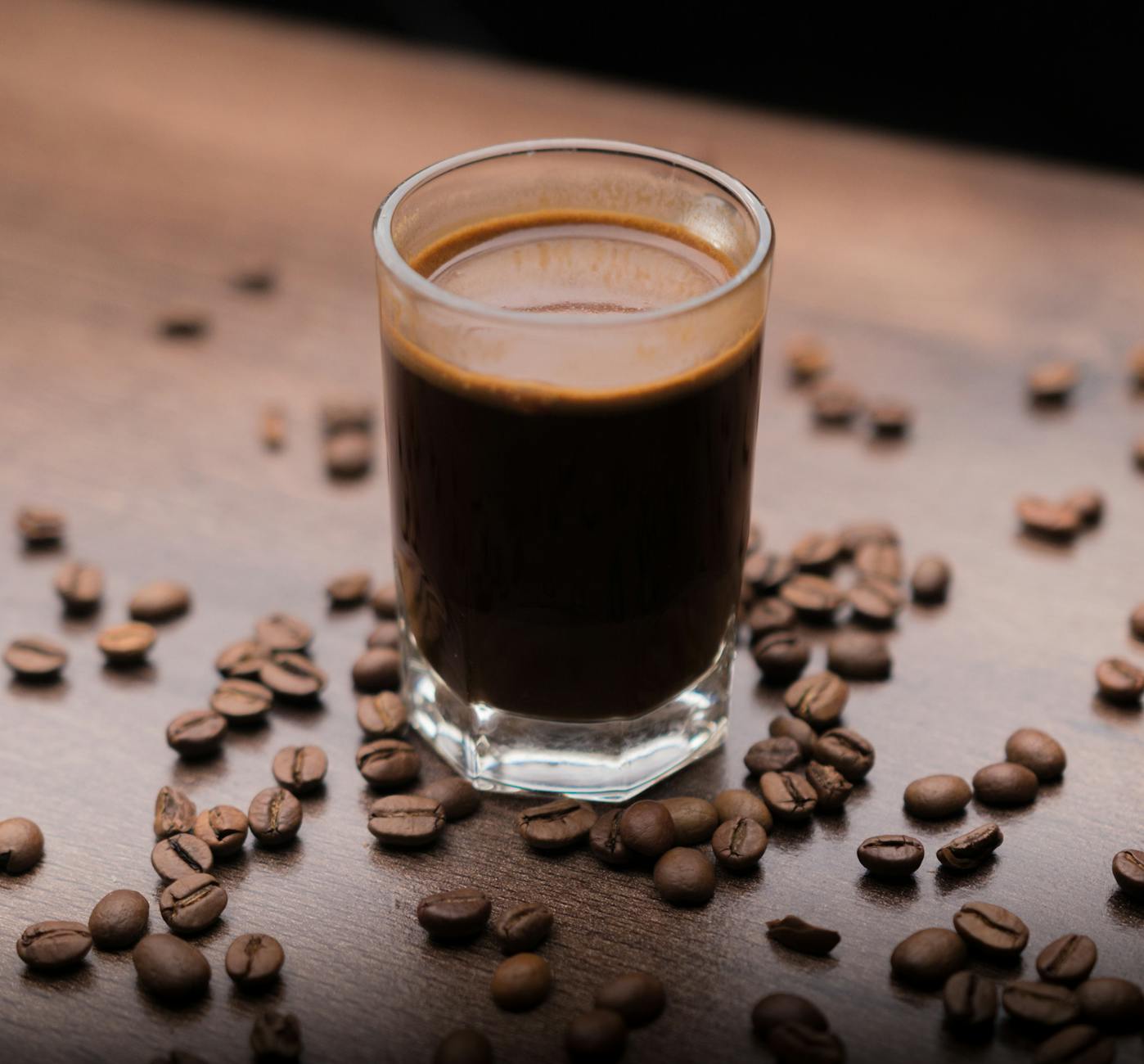
The secret of sweet espresso: Unlocking nature’s sugar without the spoon
When you picture a shot of espresso, what comes to mind? For many, it’s a powerful, intense, and often bitter experience that serves as a vehicle for milk and sugar. But what if we told you that a perfectly crafted espresso can be remarkably sweet on its own? Not sugary sweet like a soda, but a complex, rich sweetness with notes of caramel, chocolate, or ripe fruit. This isn’t a magic trick; it’s a matter of science. This article will demystify the journey of sweetness in coffee, tracing its path from a humble green bean to the rich, aromatic liquid in your cup. We will explore the chemical transformations and precise techniques that allow baristas to unlock this delightful characteristic, proving that the best espresso needs no additions.
The building blocks of sweetness in coffee beans
Before a coffee bean ever feels the heat of a roaster, it contains the essential precursors for sweetness. The potential for a sweet cup begins inside the raw, green coffee bean, which is the seed of the coffee cherry. These seeds are packed with complex carbohydrates, primarily polysaccharides like cellulose, which form the bean’s structure. More importantly for flavor, they contain simpler sugars, with sucrose being the most significant. A high-quality Arabica bean can be composed of up to 9% sucrose by dry weight.
These sugars are the primary fuel for the flavor development that occurs during roasting. Alongside sugars, coffee beans contain a rich profile of amino acids and organic acids (like citric and malic acid). While not sweet on their own, these compounds are crucial partners in the chemical reactions that create the perception of sweetness. The concentration of these building blocks is influenced by factors like coffee variety, altitude, and soil health, which is why the journey to a sweet espresso truly starts at the farm.
The magic of the Maillard reaction and caramelization
Roasting is where the latent potential within the green bean is transformed into the flavors we recognize and love. This isn’t simply a process of browning; it’s a stage for two critical chemical reactions to perform their magic: the Maillard reaction and caramelization. These processes run in parallel and are directly responsible for developing the sweetness we perceive in the final cup.
- The Maillard reaction: This is a complex reaction between amino acids and reducing sugars triggered by heat. It creates hundreds of new aromatic compounds and is responsible for the browning of the bean. Many of these compounds are what we perceive as sweet, nutty, or chocolatey. For example, compounds called furans can contribute notes of caramel and nutty sweetness.
- Caramelization: This process involves the thermal decomposition of sugar molecules. As sucrose is heated above a certain temperature, it breaks down and reforms into new compounds that give us classic sweet flavors like caramel, toffee, and butterscotch.
The roaster’s job is to navigate these reactions with precision. If the roast is too short or not hot enough, these reactions won’t fully develop, leaving the coffee tasting sour or grassy. If the roast is too long or too hot, the delicate sugars will be completely destroyed and carbonized, resulting in a bitter, ashy taste. The “sweet spot” in roasting is a delicate balance where sugar development is maximized just before it begins to degrade.
Extraction: Unlocking sweetness in the cup
Once a coffee is perfectly roasted, its potential for sweetness is locked inside the bean. The final step is the extraction, where a barista uses water to dissolve the soluble flavor compounds and present them in a balanced espresso shot. This is arguably the most critical hands-on stage for the consumer. An improperly extracted espresso can taste intensely bitter or sour, completely masking the sweetness developed during roasting.
The goal is to achieve a balanced extraction. The first compounds to extract are the acids (creating sourness), followed by the sugars (creating sweetness), and finally the heavier, bitter compounds. A well-pulled shot starts and ends at just the right time to capture a high concentration of sweetness while keeping the sour and bitter elements in harmony. Key variables include grind size, water temperature, pressure, and extraction time. Adjusting these allows a barista to steer the final flavor profile of the shot.
| Extraction variable | Effect on sweetness |
|---|---|
| Grind size | Too coarse: Water flows through too quickly (under-extraction), resulting in a sour shot with undeveloped sweetness. Too fine: Water flows too slowly (over-extraction), pulling out bitter compounds that mask sweetness. |
| Water temperature | Too low: Fails to dissolve sugars efficiently, leading to a thin, sour cup. Too high: Extracts bitter compounds too aggressively, creating a harsh, unbalanced flavor. |
| Extraction time | Too short: Correlates with under-extraction, dominated by acidity. Too long: Correlates with over-extraction, dominated by bitterness. The “sweet spot” for most espressos is 25-35 seconds. |
How origin and processing shape sweetness
Not all coffee beans are created equal when it comes to sweetness potential. The agricultural side of coffee production, long before the bean reaches a roaster, plays a foundational role. The coffee’s variety, the altitude it’s grown at, and the way it’s processed after picking are all critical factors. For instance, Arabica varietals like Bourbon and Gesha are genetically predisposed to producing more sugars than their Robusta counterparts.
Furthermore, coffee grown at high altitudes matures more slowly. This extended maturation period allows the coffee cherry to develop more complex and concentrated sugars within its seeds. Finally, the processing method—how the seed is removed from the fruit—has a profound impact. Natural processed coffees are dried with the entire fruit intact, allowing the bean to absorb fruit sugars, resulting in a jammy, intense sweetness. Conversely, washed processed coffees have the fruit removed before drying, which leads to a cleaner, more delicate, and often more nuanced sweetness.
In conclusion, the sweetness you taste in a truly exceptional espresso is no accident. It is the culmination of a long and deliberate journey. It begins with the careful cultivation of coffee cherries rich in natural sugars and flavor precursors. This potential is then skillfully unlocked during the roasting process through the precise management of caramelization and the Maillard reaction. Finally, it is the barista’s craft during extraction that presents this sweetness in its final, balanced form, ensuring that sour and bitter notes do not overwhelm it. So, the next time you taste an espresso that is sweet on its own, take a moment to appreciate the science and artistry that made it possible, from the farm to your cup.

 No products in the cart.