

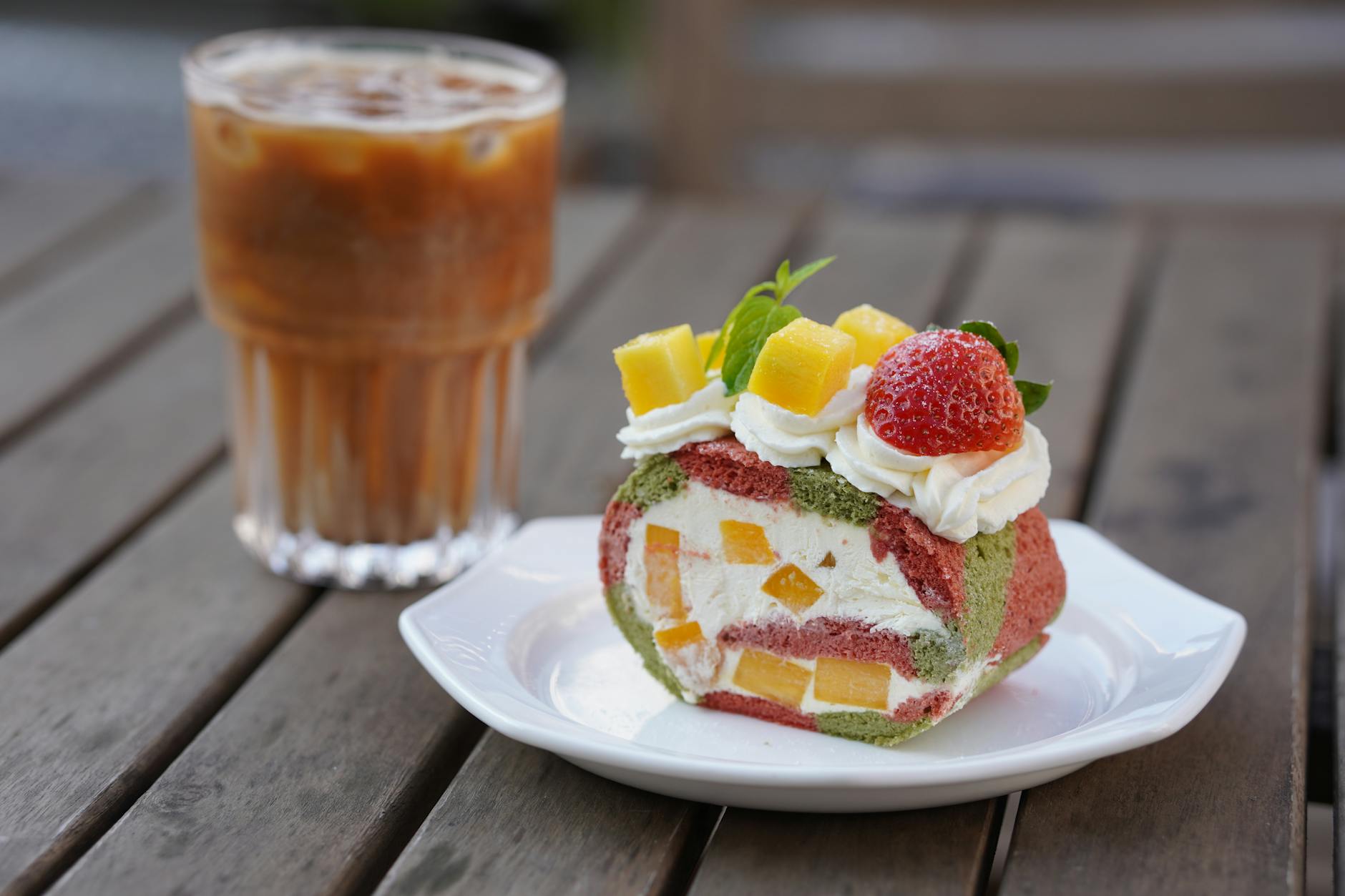
The art of pairing: Matching espresso body with cake texture
The classic combination of coffee and cake is a timeless indulgence, a ritual of comfort and pleasure. But what if we could elevate this simple pairing from merely pleasant to truly sublime? The secret lies beyond just matching flavors. The real artistry is in understanding the tactile experience, the interplay between the body and texture of the espresso and the consistency of the cake. A successful pairing is a textural dance on the palate, where each element enhances the other without overpowering it. This guide will explore the nuanced world of mouthfeel, teaching you how to match the weight of your espresso to the structure of your dessert for a perfectly harmonious experience that delights the senses.
Understanding espresso body and texture
Before pairing, we must first understand the language of espresso. When we talk about body, we’re referring to the weight and viscosity of the coffee as you feel it in your mouth. Is it light and tea-like, or is it heavy, rich, and syrupy? This is primarily determined by the dissolved solids and oils extracted during the brewing process. Several factors influence an espresso’s body:
- Bean origin: Beans from Indonesia, like Sumatra, often produce a heavy, syrupy body, while African beans, such as those from Ethiopia, tend to be lighter and more delicate.
- Roast level: Darker roasts can contribute to a heavier body, breaking down fibers and making oils more available for extraction.
- Brewing method: A standard espresso shot has a fuller body than a lungo (a longer shot with more water), while a ristretto (a shorter, more concentrated shot) often has the most viscous, syrupy body of all.
Texture, on the other hand, is about the quality of that weight. It’s the smoothness of a well-pulled shot, the creaminess imparted by a rich, stable crema, or even a slight, pleasant grittiness from superfine coffee particles. A great texture feels luxurious and smooth, while a poor one might feel thin, watery, or astringent. Understanding both body and texture is the key to choosing an espresso that will complement, not clash with, your chosen cake.
Analyzing cake consistencies from light to dense
Just as espresso has its spectrum of body, cakes have a wide range of consistencies. Moving beyond flavor, we can categorize them by their structure and mouthfeel. This allows us to think about pairing in a new way, focusing on how a cake feels from the first bite to the last. We can generally group them into three categories:
- Light and airy: Think of angel food cake, chiffon, and delicate sponge cakes. These desserts are characterized by a very open, porous crumb. They are light, ethereal, and seem to melt in your mouth. They have very little fat and rely on whipped eggs for their structure, making them incredibly delicate.
- Moist and tender: This is the realm of classic birthday cakes, carrot cake, red velvet, and many muffins. These cakes have a finer, softer crumb than the airy category. They have more substance and moisture, often from ingredients like butter, oil, or buttermilk, and are frequently accompanied by creamy frostings that add to their texture.
- Rich and dense: This category includes desserts like flourless chocolate cake, cheesecake, rich fudge brownies, and traditional pound cake. These are heavy hitters. They are often low on aeration and high on fat and sugar content, resulting in a fudgy, creamy, or tightly-crumbed texture that is satisfyingly heavy and decadent on the palate.
Recognizing where a cake falls on this spectrum is the second crucial step in creating a perfect pairing.
The principles of complementary and contrasting pairings
With a clear understanding of both our espresso and our cake, we can now apply two fundamental pairing philosophies. Neither is better than the other; they simply create different, equally delicious experiences.
The first approach is complementary pairing, which follows the principle of “like with like.” The goal here is balance and harmony. You match a light-bodied espresso with a light, airy cake. This ensures the delicate nature of the cake isn’t completely overwhelmed by a powerful coffee. Imagine a bright, tea-like single-origin espresso from Yirgacheffe alongside a slice of angel food cake; the coffee gently cleanses the palate without erasing the cake’s subtle sweetness.
The second approach is contrasting pairing, based on the idea that “opposites attract.” This method can create exciting and dynamic experiences. You might pair a bright, acidic espresso with a rich, fatty dessert. The coffee’s acidity cuts through the richness of, say, a creamy cheesecake, cleansing your palate and making each new bite taste just as decadent as the first. Conversely, you could pair a heavy-bodied, syrupy ristretto with a simple pound cake. The espresso adds a layer of richness and intensity that the straightforward cake lacks, making the combination more complex and memorable.
A practical pairing guide
To put these principles into practice, here is a quick guide to help you get started. This table provides concrete examples, but remember that the best part of pairing is experimentation. Use this as a starting point for your own delicious discoveries.
| Cake type | Consistency | Recommended espresso | Why it works (Principle) |
| Angel food cake / Chiffon cake | Light & Airy | Light-bodied single-origin (e.g., Ethiopian); Lungo shot | Complementary: A delicate coffee won’t overwhelm the ethereal texture of the cake. |
| Classic yellow cake with buttercream | Moist & Tender | Medium-bodied blend with balanced acidity and sweetness | Complementary: The coffee has enough substance to match the cake and frosting without being overbearing. |
| Carrot cake with cream cheese frosting | Moist & Tender | Medium to full-bodied espresso with spicy or nutty notes | Complementary: The coffee’s body stands up to the dense cake and rich frosting, while its notes echo the cake’s spices. |
| New York cheesecake | Rich & Dense | Medium-bodied, high-acidity espresso (e.g., from Kenya) | Contrasting: The bright acidity of the coffee cuts through the rich, fatty texture of the cheesecake, cleansing the palate. |
| Flourless chocolate cake | Rich & Dense | Full-bodied, low-acidity espresso (e.g., Sumatran); Ristretto shot | Complementary: An intense, syrupy coffee matches the decadent intensity of the fudgy chocolate cake, creating a powerful pairing. |
Conclusion: Trust your palate
Moving beyond flavor to consider texture and body opens up a new world of possibilities for the humble pairing of coffee and cake. We’ve seen how the weight of an espresso, from a light-bodied lungo to a syrupy ristretto, can either complement or contrast with the consistency of a dessert, from an airy chiffon to a dense cheesecake. By understanding the principles of matching like with like for a harmonious blend, or pairing opposites for a dynamic contrast, you gain the tools to create truly memorable culinary moments. Ultimately, these are guidelines, not unbreakable rules. The most important tool is your own palate. So, brew your favorite shot, slice your favorite cake, and start experimenting. You might just discover your perfect match.

 No products in the cart.