

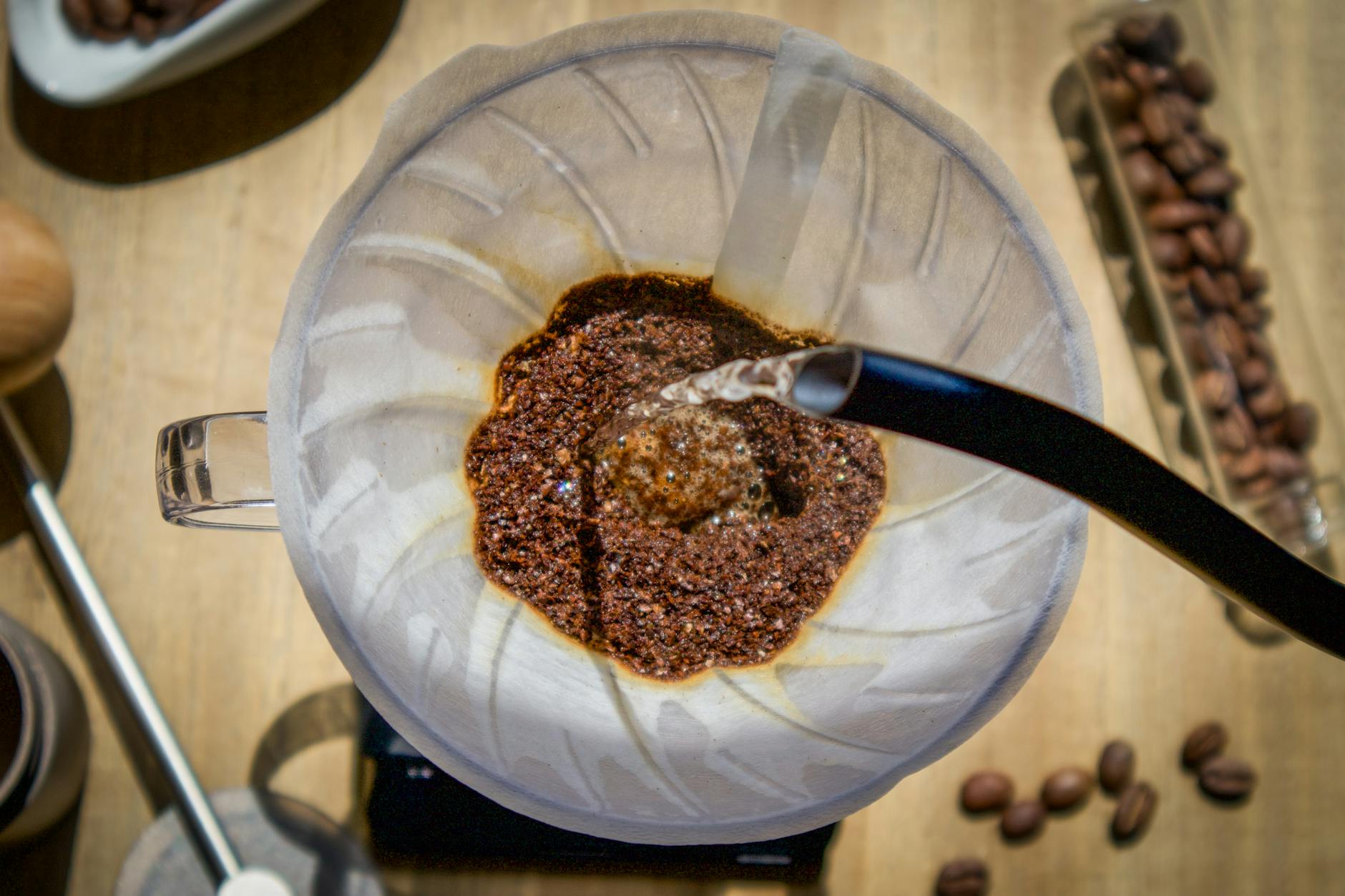
Why light roast espresso often clashes with traditional fruit tarts
In the world of specialty coffee and artisanal pastries, a perfect pairing can elevate a simple break into a sublime experience. We often assume that a good coffee and a good dessert will naturally taste great together. However, some combinations, despite their individual excellence, create a jarring and unpleasant flavor clash. One of the most common, yet misunderstood, of these mismatches is the pairing of a bright, acidic light roast espresso with a classic, sweet fruit tart. While both are celebrated for their nuanced flavors, their profiles often compete rather than complement. This article will delve into the sensory science behind this clash, exploring the distinct characteristics of each and explaining why this seemingly perfect duo often ends in disappointment.
Understanding the character of light roast espresso
To understand the pairing problem, we must first appreciate the unique profile of a light roast espresso. Unlike its darker counterparts, a light roast is defined by what it preserves, not what it develops through heat. The roasting process is stopped shortly after the “first crack,” a stage where the coffee bean audibly pops and expands. This minimal exposure to heat ensures that the inherent flavors of the coffee’s origin, or terroir, remain at the forefront.
The result is a coffee with:
- High acidity: This is the hallmark of a light roast. It’s not a sour or unpleasant taste but a bright, vibrant, and often fruity acidity, similar to what you might find in citrus, green apples, or white wine. This acidity comes from the preservation of organic acids, like citric and malic acid, within the bean.
- Delicate floral and fruit notes: Because the sugars haven’t been heavily caramelized, light roasts often feature complex and subtle notes of jasmine, bergamot, berries, or stone fruit.
- A lighter body: Compared to the heavy, syrupy feel of a dark roast, a light roast espresso typically has a more tea-like and delicate mouthfeel.
Essentially, a light roast espresso is a celebration of the bean’s raw, natural potential. It is bright, complex, and acid-driven, making it a favorite among coffee purists who want to taste the nuances of a specific farm or region.
Deconstructing the traditional fruit tart
Now, let’s turn our attention to the other side of the pairing: the traditional fruit tart. A well-made fruit tart is a masterpiece of balance, but its balance is built on a foundation of richness, sweetness, and fat. The primary components work in harmony to create a decadent experience.
The key players in a fruit tart’s flavor profile are:
- The crust (Pâte sucrée): This isn’t a neutral base. It’s a sweet pastry crust, rich with butter and sugar, providing a crumbly, cookie-like foundation. Its primary flavor contribution is buttery and sweet.
- The pastry cream (Crème pâtissière): This is the heart of the tart. A luscious, thick custard made from milk or cream, egg yolks, sugar, and vanilla. It is fundamentally rich, sweet, and fatty, coating the palate with its creamy texture.
- The fruit and glaze: While the fruit itself brings its own natural sweetness and acidity, it is often arranged on top of the cream and brushed with a simple sugar or apricot glaze. This adds another layer of direct, uncomplicated sweetness.
The overall profile of a fruit tart is one of comforting richness. The fat from the butter and cream coats the tongue, and the sweetness is pronounced and straightforward. While the fruit adds a touch of acidity, it’s often mellowed by the surrounding sweet and fatty elements.
The acidic conflict: A flavor science breakdown
The clash happens when the high, sharp acidity of the light roast espresso meets the sweet, fatty, and creamy profile of the fruit tart. Instead of a harmonious blend, the two profiles go to war on your palate. The primary issue is a conflict between competing acids and the interaction of acid with fat.
The bright, citric, or malic acidity of the espresso attacks the rich dairy fats in the pastry cream. This can create a sensation that many perceive as sour or even curdled, similar to squeezing lemon into a glass of milk. The delicate, nuanced floral and tea-like notes of the coffee, which are its main selling point, are completely overwhelmed by the tart’s powerful sweetness and buttery crust. The coffee’s subtle complexity stands no chance.
Furthermore, you have two different types of acidity competing for attention: the tart’s fruit acidity and the coffee’s origin acidity. Instead of complementing each other, they can create a “double dose” of sharpness that feels unbalanced and jarring.
| Flavor component | Light roast espresso | Traditional fruit tart |
|---|---|---|
| Primary taste | Bright acidity, subtle sweetness | Pronounced sweetness, richness |
| Key notes | Citrus, berry, floral, tea-like | Butter, vanilla, cream, cooked fruit |
| Mouthfeel | Light, delicate body | Rich, creamy, fatty coating |
| Interaction | High acidity from coffee clashes with dairy fat in tart, creating a sour perception. Bold sweetness of tart overwhelms the coffee’s delicate notes. | |
Finding harmony: Better pairings for your palate
Understanding this clash doesn’t mean you have to give up your favorite coffee or dessert. It simply means you need to be more strategic in your pairings to create a truly complementary experience. The goal is to find flavors that either share common ground or provide a pleasant contrast without competing.
What to pair with your fruit tart:
- Medium to dark roast espresso: A coffee with lower acidity and more developed notes of chocolate, nuts, and caramel will beautifully complement the buttery crust of the tart. These roasty, caramelized flavors provide a welcome contrast to the fruit without clashing with the cream.
- A cappuccino or latte: Adding steamed milk to any espresso, even a light roast, will buffer its acidity and add sweetness and body. The milk creates a bridge between the coffee and the pastry cream, making the pairing much more successful.
What to pair with your light roast espresso:
- A simple butter croissant: The flaky, buttery layers of a croissant are rich enough to stand up to the coffee but neutral enough not to compete with its delicate floral and fruit notes.
- Madeleines or shortbread: These simple, less sweet pastries provide a gentle, buttery backdrop that allows the coffee’s complex acidity and origin flavors to shine through as the star of the show.
By pairing intentionally, you honor the unique characteristics of both the coffee and the pastry, allowing each to be enjoyed to its fullest potential.
In conclusion, the perceived wisdom that any premium coffee will pair well with any artisanal dessert is a misconception. The specific case of light roast espresso and fruit tarts is a perfect example of how contrasting core profiles can lead to a flavor clash. The high, sharp acidity and delicate notes of the coffee are simply at odds with the rich, sweet, and fatty nature of the tart, resulting in a combination that is less than the sum of its parts. By understanding the sensory science at play—the fight between acidity and fat, and complexity versus bold sweetness—we can make more informed choices. The key is not to abandon these wonderful items, but to pair them thoughtfully with partners that complement, rather than combat, their inherent characteristics.


 No products in the cart.