

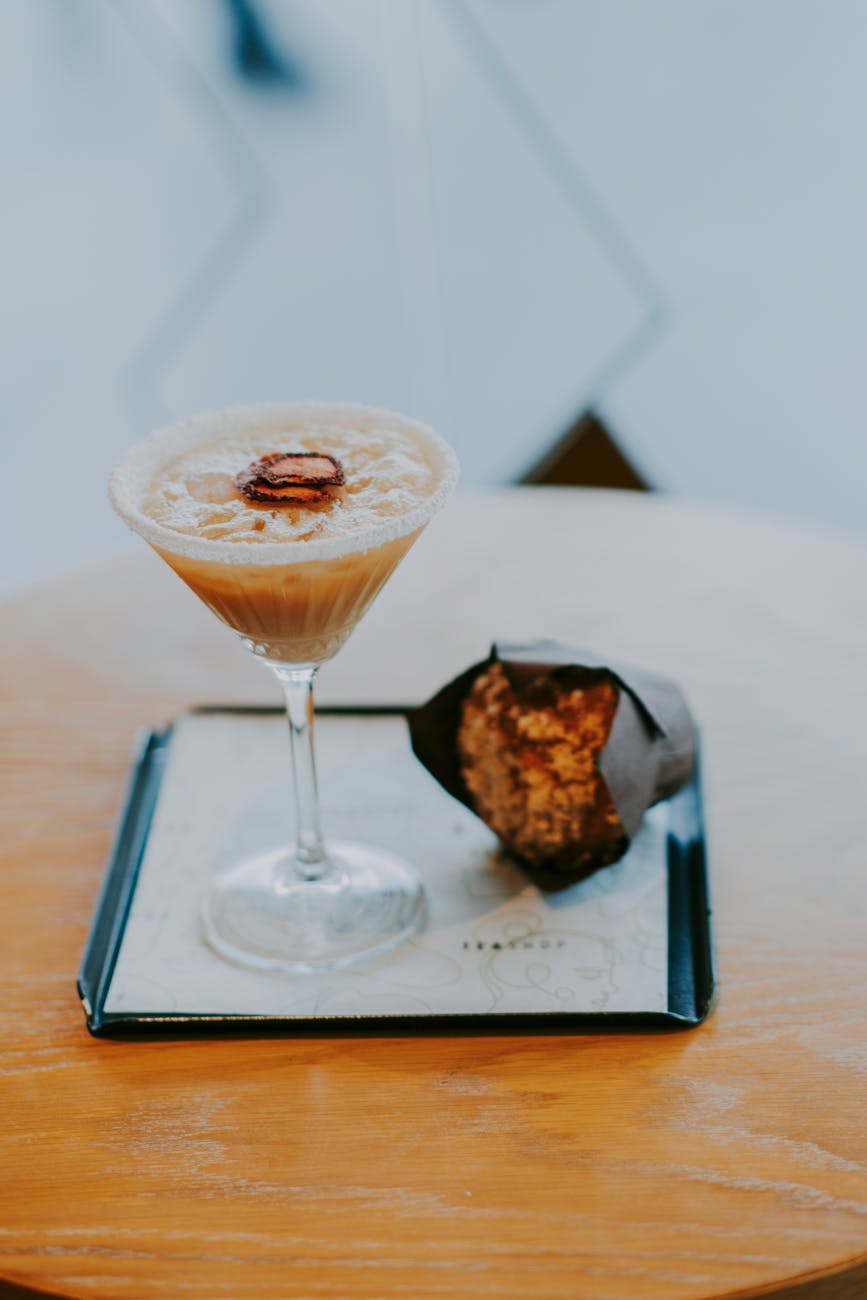
The perfect meal often culminates in a delightful contrast: a rich, aromatic, and steaming hot espresso served alongside a cool, refreshing dessert. From a creamy panna cotta to a scoop of decadent gelato, this pairing is a classic finale in many culinary traditions. However, the success of this combination hinges on a frequently overlooked detail: temperature management. Serving a scalding espresso with a frozen sweet can create a jarring sensory experience, numbing the palate and muting the delicate flavors of both elements. This article will explore the art and science behind managing espresso temperature, ensuring that your coffee and cold dessert pairing is a harmonious symphony of flavor, not a clash of temperatures. We’ll delve into why temperature matters, ideal serving ranges, and practical techniques to elevate your dessert course.
Why temperature matters in coffee and dessert pairing
The interaction between hot and cold on our palate is a complex sensory event. When you introduce two items of drastically different temperatures into your mouth, you can trigger what is known as thermal shock. This sudden contrast can temporarily overwhelm the taste buds, making it difficult to perceive the nuanced flavors you’re meant to enjoy. A sip of espresso that is too hot can dull your sensitivity to the sweetness of a cheesecake, while the intense cold of a sorbet can make a perfectly balanced espresso taste overly acidic or bitter. The goal is to create a bridge between the two temperatures, not a jarring chasm.
Furthermore, temperature directly influences the flavor profile of the espresso itself. When brewed, espresso is typically around 90-96°C (195-205°F). At this heat, many of its complex aromatic compounds are highly volatile and can come across as aggressive. As it cools slightly, the perceived bitterness mellows, and the intricate notes of fruit, chocolate, or caramel become more pronounced. By controlling the serving temperature, you are not just preventing thermal shock; you are actively curating the flavor of the coffee to best complement the dessert.
The ideal espresso temperature for service
While brewing temperature is critical for extraction, serving temperature is paramount for enjoyment. An espresso begins to lose heat the moment it leaves the grouphead. Its small volume and large surface area-to-volume ratio mean this cooling process is rapid. A shot pulled into a cold ceramic cup can lose as much as 10°C (18°F) almost instantly, shocking the coffee and ruining the delicate crema.
The ideal serving temperature for an espresso, especially when paired with a cold dessert, is between 65-75°C (150-167°F). This range is hot enough to provide a pleasant warmth and release the coffee’s beautiful aroma but not so hot that it scalds the tongue or overpowers the dessert. At this temperature, the espresso’s body is still rich and its flavors are distinct, providing a beautiful contrast to the dessert without being aggressive. Achieving this consistently requires attention to the single most important variable in temperature management: the cup.
Practical techniques for perfect temperature control
Mastering the serve is about simple, repeatable steps that preserve the heat and quality of the espresso from the machine to the table. The focus should be on minimizing heat loss at every stage.
- Preheat the cup: This is non-negotiable. A cold cup is the fastest way to ruin an espresso. The best method is to fill the cup with hot water from the espresso machine’s spigot and let it sit for at least 30 seconds before pouring it out and drying the cup. Using a steam wand or a machine’s built-in cup warmer are also excellent alternatives. The cup should be pleasantly hot to the touch.
- Timing is everything: Espresso is a fleeting pleasure. It should be served immediately after extraction. The crema is most stable and the temperature is optimal within the first minute. Delaying the serve allows the temperature to drop too far and the flavors to degrade.
- Choose the right vessel: The classic espresso cup, a demitasse, is designed for heat retention. Its thick-walled porcelain construction acts as an excellent insulator. While glass cups can be visually appealing, they often lose heat more quickly unless they are specifically designed with double walls.
By integrating these techniques, you create a stable thermal foundation that allows the espresso to be served at its optimal temperature, ready to be paired with its cool counterpart.
Pairing guide: Matching temperatures and flavors
Different cold desserts require slightly different approaches to create the perfect pairing. The density, creaminess, and temperature of the sweet will dictate the ideal character and warmth of the accompanying espresso. The key is to think about whether you want the espresso to complement, cut through, or gently merge with the dessert.
| Dessert Type | Ideal Espresso Temperature | Recommended Coffee Profile | Serving Notes |
|---|---|---|---|
| Gelato / Ice Cream | 70-75°C (158-167°F) | Robust, low-acidity, notes of chocolate & nuts. | Serve hot enough to create the classic affogato effect, melting the gelato slightly into a creamy sauce. |
| Panna Cotta / Mousse | 65-70°C (149-158°F) | Medium-bodied, bright acidity, fruity or floral notes. | A slightly cooler espresso prevents melting the delicate structure and cuts through the richness without overpowering it. |
| Cheesecake / Tiramisu | 68-72°C (154-162°F) | Full-bodied, classic Italian dark roast. | These dense desserts can handle a standard, hot espresso. The coffee’s bitterness is a perfect foil for their sweetness. |
| Sorbet / Granita | ~65°C (149°F) | Light-bodied, high acidity, citrus or berry notes. | This is the most challenging pairing. Let the espresso cool for 30-60 seconds to narrow the temperature gap and prevent a jarring contrast. |
Thinking about these pairings helps transform the dessert course from two separate items into a single, cohesive culinary experience where each element enhances the other.
In conclusion, the art of serving espresso with cold desserts is a study in balance. It moves beyond simply brewing a good shot of coffee and into the realm of thoughtful hospitality. As we’ve seen, managing the serving temperature is not a minor detail; it is fundamental to protecting the integrity of both the espresso and the sweet. By avoiding thermal shock to the palate, aiming for a serving temperature of 65-75°C, and embracing crucial techniques like preheating the cup, you can create a truly memorable experience. This careful attention to temperature ensures that the rich warmth of the coffee and the refreshing chill of the dessert can coexist beautifully, providing a dynamic and delicious finale to any meal.

 No products in the cart.