

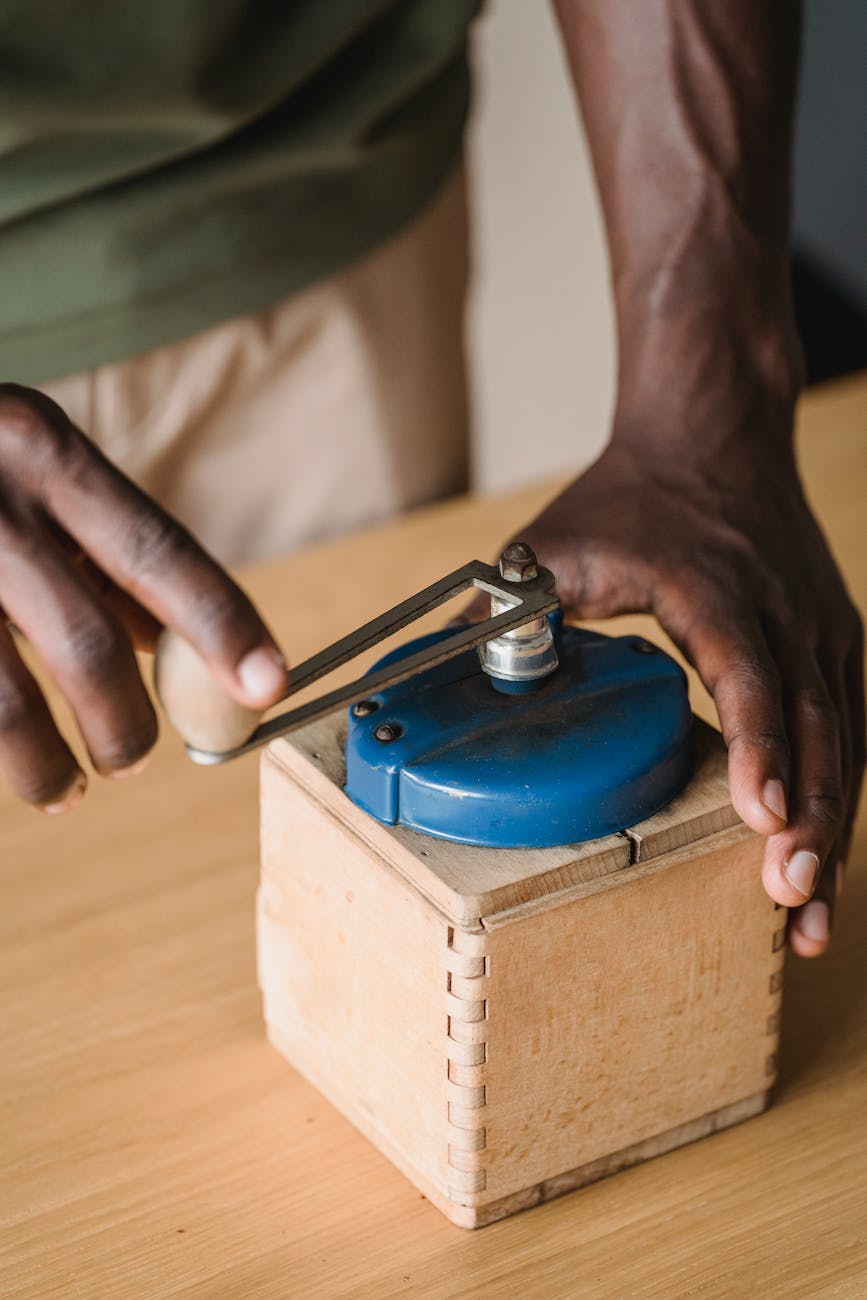
Fine vs. coarse grind: Unlocking your automatic coffee machine’s potential
The journey to a perfect cup of coffee is often a quest for the right beans and the best machine. Yet, a crucial variable that sits between the two is frequently overlooked: the grind size. For owners of automatic coffee machines, adjusting this single setting can transform a mediocre brew into a café-quality experience. The difference between a fine and a coarse grind is not just about texture; it fundamentally alters how water interacts with your coffee, dictating the final flavor, aroma, and body of your drink. This article will delve into the science of coffee extraction, explore how fine and coarse grinds impact your brew, and provide a practical guide to help you find that perfect sweet spot for your machine.
The science behind the grind: How extraction works
To understand the importance of grind size, we first need to understand extraction. In simple terms, brewing coffee is the process of using water to dissolve soluble flavor compounds—like oils, acids, and sugars—from roasted coffee grounds. The goal is to achieve a balanced extraction, pulling out just the right amount of these compounds to create a delicious, well-rounded cup. Grind size is your primary tool for controlling this process.
Think of it in terms of surface area. A fine grind, like powdered sugar, breaks a single coffee bean into thousands of tiny particles. This dramatically increases the total surface area available for the water to contact. In contrast, a coarse grind, resembling rough sea salt, has much larger particles and therefore less total surface area. This relationship is critical:
- More surface area (fine grind) = Faster extraction. Water can quickly pull out flavors.
- Less surface area (coarse grind) = Slower extraction. Water needs more time to penetrate the grounds and extract flavor.
When this process goes wrong, you end up with either under-extraction (often from a grind that’s too coarse), resulting in a sour, weak, and lifeless coffee, or over-extraction (from a grind that’s too fine), which produces a bitter, harsh, and astringent taste.
The fine grind: In pursuit of intensity
Setting your automatic machine to a finer grind is the key to unlocking a more intense, robust, and full-bodied coffee, particularly for espresso-based drinks. Because the increased surface area allows for a rapid and efficient extraction, a fine grind helps create the rich crema and concentrated flavor that espresso is known for. The water is forced through the tightly packed grounds under pressure, extracting a deep and complex profile in a short amount of time.
However, going too fine can cause significant problems. If the grounds are overly fine, they can compact too tightly in the machine’s brew group. This can lead to several issues:
- Over-extraction: The water struggles to pass through, spending too much time in contact with the coffee and pulling out undesirable bitter compounds. Your coffee will taste harsh and “burnt”.
- Machine strain: The machine’s pump has to work much harder to force water through the dense puck of coffee, which can lead to slower brew times and, over the long term, potential damage to the machine.
- Channeling: Instead of flowing evenly, the water may find a path of least resistance and create small “channels” through the coffee puck. This results in a messy, uneven extraction that is both sour and bitter simultaneously.
The coarse grind: A smoother, lighter cup
On the other end of the spectrum is the coarse grind. By setting your machine’s grinder to a coarser setting, you are preparing the grounds for a lighter, more delicate extraction. The larger particles offer less resistance, allowing water to flow through more freely and quickly. This reduces the overall extraction yield, meaning fewer of the heavy, bitter compounds are pulled into the final cup.
This setting is often ideal for longer coffee drinks like a Caffè Crema or an Americano, where a large volume of water passes through the grounds. Using a fine grind for these drinks would result in severe over-extraction and an overwhelmingly bitter cup. A coarser grind ensures the brew remains balanced and smooth, highlighting the coffee’s brighter, more acidic, and nuanced flavor notes without the accompanying harshness.
The main risk with a coarse grind is under-extraction. If the grind is too coarse for the brew time, the water will pass through so quickly that it doesn’t have a chance to extract enough flavor. This results in a coffee that tastes weak, watery, and often unpleasantly sour, lacking the sweetness and depth that make a good coffee satisfying.
Dialing it in: How to find your machine’s sweet spot
The perfect grind setting is not universal; it depends on your specific machine, the freshness and roast level of your beans, and your personal taste. Finding it requires a bit of experimentation, a process known as “dialing in”.
Start with the manufacturer’s recommended setting, which is usually in the middle of the range. From there, make small, incremental adjustments. Important: Always adjust the grinder setting while the grinder is in operation to prevent beans from jamming the burrs. Brew a coffee after each adjustment and taste it. Is it too bitter? Go one step coarser. Is it sour and weak? Go one step finer.
Pay attention to the type of beans you are using. Darker roasts are more soluble and extract easily, so they often benefit from a slightly coarser grind to avoid bitterness. Lighter roasts are denser and require a finer grind to properly extract their complex, delicate flavors.
Grind adjustment summary
| Grind setting | Taste profile | Potential problem | Best for |
|---|---|---|---|
| Too fine | Bitter, harsh, astringent, burnt | Over-extraction, machine strain, channeling | No drink; this is an incorrect setting |
| Ideal fine | Rich, intense, full-bodied, complex | Balanced extraction | Espresso, Ristretto |
| Ideal coarse | Smooth, bright, light-bodied, delicate | Balanced extraction | Lungo, Americano, Caffè Crema |
| Too coarse | Sour, weak, watery, empty | Under-extraction, fast flow | No drink; this is an incorrect setting |
Mastering the grind setting on your automatic coffee machine is the single most effective way to elevate your daily brew. It’s the bridge between your high-quality beans and the perfect cup you desire. As we’ve seen, a finer grind increases surface area, leading to a more intense extraction ideal for espresso, but it risks bitterness and machine strain if overdone. A coarser grind, on the other hand, allows for a faster flow and a lighter extraction, perfect for longer drinks but with the potential for a weak, sour result if too coarse. The ultimate goal is balance. By understanding these principles and taking the time to experiment, you can move beyond the factory defaults and truly tailor your coffee to your exact preference, unlocking the full potential hidden within your beans.
 No products in the cart.