

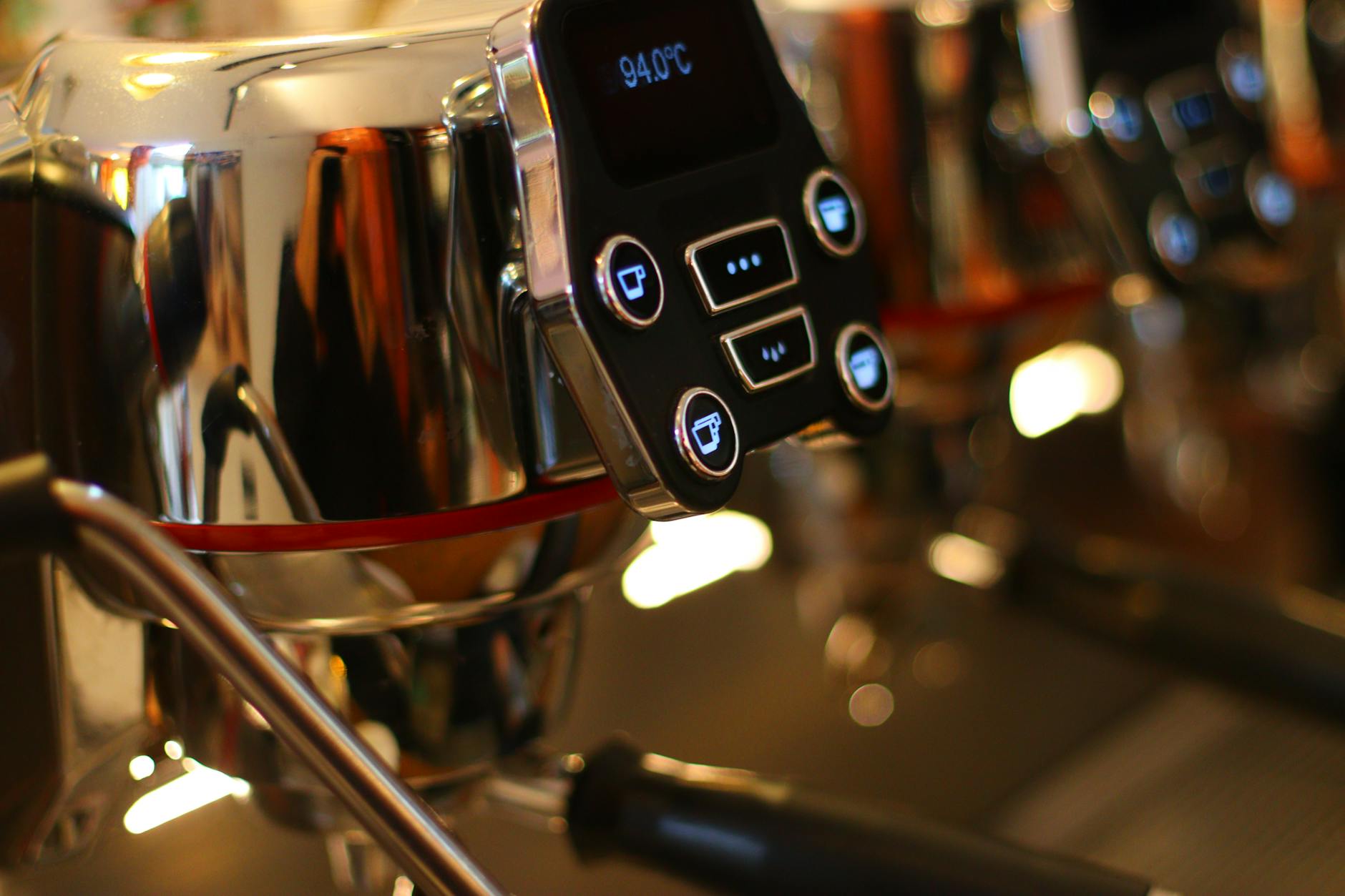
Brewing at new heights: The impact of altitude on fully automatic espresso brewing
There’s a unique satisfaction in getting a perfect shot of espresso from a fully automatic machine. You press a button, and a complex process unfolds, delivering a rich, aromatic beverage. But have you ever noticed that the same machine, using the same beans, can produce a wildly different-tasting coffee when you travel to a mountain town? This isn’t your imagination. The invisible force of atmospheric pressure at higher altitudes significantly alters the physics of coffee brewing. This article will delve into the science behind why your automatic espresso machine behaves differently at altitude and, more importantly, what you can do about it. We’ll explore how changing boiling points affect extraction and provide practical, actionable steps to recalibrate your machine for a perfect high-altitude brew.
The science of brewing under pressure (or lack thereof)
The fundamental challenge of brewing coffee at high altitude comes down to a simple principle of physics: as you go up, atmospheric pressure goes down. At sea level, the column of air pushing down on a pot of water is dense, meaning the water needs to reach 100°C (212°F) to boil. However, at an altitude of 2,000 meters (about 6,500 feet), there is less air pressure. Consequently, water molecules can escape as steam more easily, causing water to boil at a much lower temperature, around 93°C (200°F).
Why does this matter for your espresso? Coffee extraction is a chemical reaction that is highly dependent on temperature. The ideal range for extracting the desirable flavor compounds from coffee grounds is typically between 90°C and 96°C (195°F and 205°F). At sea level, your machine has a comfortable window to work within. At altitude, your maximum possible brewing temperature is dramatically lowered. Your machine might be programmed to heat water to 94°C, but if the boiling point is only 93°C, the water will turn to steam, causing inconsistent heating and pressure drops within the brew unit. This leads directly to under-extraction, resulting in a cup that tastes disappointingly sour, weak, and thin.
How your automatic machine responds to altitude
Fully automatic espresso machines are marvels of engineering, designed to control variables like temperature, pressure, and volume with precision. However, they are typically calibrated for sea-level conditions. They don’t have an altimeter to tell them the ambient air pressure has changed. This leads to a conflict between the machine’s programming and the physical laws of its new environment.
Let’s break down the impact on key systems:
- Heating system (Thermoblock/Boiler): The machine’s temperature sensor, or thermostat, aims for a target temperature. At high altitude, as the water approaches this target, it may begin to boil prematurely. This can create pockets of steam in the system. When this super-heated, steamy water hits the coffee puck, it can cause channeling—where water punches a hole through the puck instead of saturating it evenly. This results in some grounds being over-extracted (bitter) and most being under-extracted (sour), creating a muddled and unbalanced shot.
- Pump and pressure: While the machine’s pump is powerful enough to generate the required 9 bars of pressure for espresso, the lower boiling point can interfere with its ability to maintain stable pressure. The presence of steam in the lines can lead to pressure fluctuations during the extraction process. An unstable extraction prevents the water from properly saturating the coffee grounds, further contributing to a thin body and sour taste.
Essentially, your machine is trying to follow its sea-level instructions in a high-altitude world, and the result is a struggle against physics that manifests as a poor-tasting cup of coffee.
Recalibrating your brew: Practical adjustments for high-altitude success
Fortunately, you don’t have to settle for sour espresso. Since you can’t change the boiling point of water, you must adjust the other variables your machine can control to compensate. The goal is to increase the efficiency of the extraction process to get more flavor out of the grounds with cooler water.
Your single most effective tool is the grind size. To counteract the effects of lower brewing temperatures, you must grind your coffee finer. A finer grind increases the total surface area of the coffee particles, exposing more of the coffee to the water during the brief extraction time. This allows the cooler water to extract a sufficient amount of solids and oils. A finer grind also increases the density of the coffee puck, providing more resistance against the water flow. This helps the machine build and maintain consistent pressure, reducing the risk of channeling.
Here are the steps to follow:
- Adjust the grind size: Make a small adjustment toward a finer setting. Most machines have a dial inside the bean hopper. Only adjust it while the grinder is running to prevent jamming the burrs.
- Pull a shot and taste: See if the sourness has diminished and the body has improved.
- Repeat if necessary: Continue making small, incremental adjustments toward a finer setting, tasting each time, until you find the sweet spot. Be careful not to go too fine, as this can choke the machine or lead to over-extraction, which tastes bitter and harsh.
- Increase temperature settings: If your machine allows you to adjust the brewing temperature, set it to the highest possible setting. This ensures the machine is doing everything it can to get the water as hot as possible before it turns to steam.
High-altitude brewing at a glance
Navigating these adjustments can feel abstract, so here is a table to help visualize the relationship between altitude, boiling point, and the necessary changes to your fully automatic machine’s settings. This provides a practical starting point for your own experimentation.
| Altitude | Approximate boiling point | Primary taste defect | Recommended key adjustment |
|---|---|---|---|
| Sea level (0 m / 0 ft) | 100°C / 212°F | N/A (Baseline) | Use standard or recommended factory settings. |
| 1,500 m / 5,000 ft | 95°C / 203°F | Noticeably sour, thinner body. | Grind finer (1-2 steps). Set temperature to high if possible. |
| 2,500 m / 8,200 ft | 91.5°C / 197°F | Very sour, weak, watery. | Grind significantly finer (2-4 steps). Set temperature to maximum. |
| 3,000 m / 9,800 ft | 90°C / 194°F | Extremely acidic, almost undrinkable. | Grind at or near the finest setting. May need to consider darker roasts. |
Conclusion
Brewing excellent espresso at high altitude presents a unique set of challenges rooted in basic physics. As elevation increases, atmospheric pressure drops, lowering the boiling point of water. This directly impacts your fully automatic espresso machine, which is calibrated for sea-level conditions and struggles to reach optimal extraction temperatures, often resulting in sour, under-extracted shots. However, this problem is far from insurmountable. By understanding the core issue, you can take control. The most crucial and effective adjustment is to move to a finer grind setting. This simple change increases the coffee’s surface area and puck resistance, allowing for a more complete extraction even with cooler water. By systematically adjusting your grind, you can conquer the effects of altitude and ensure your machine delivers a delicious, balanced espresso no matter the elevation.

 No products in the cart.