

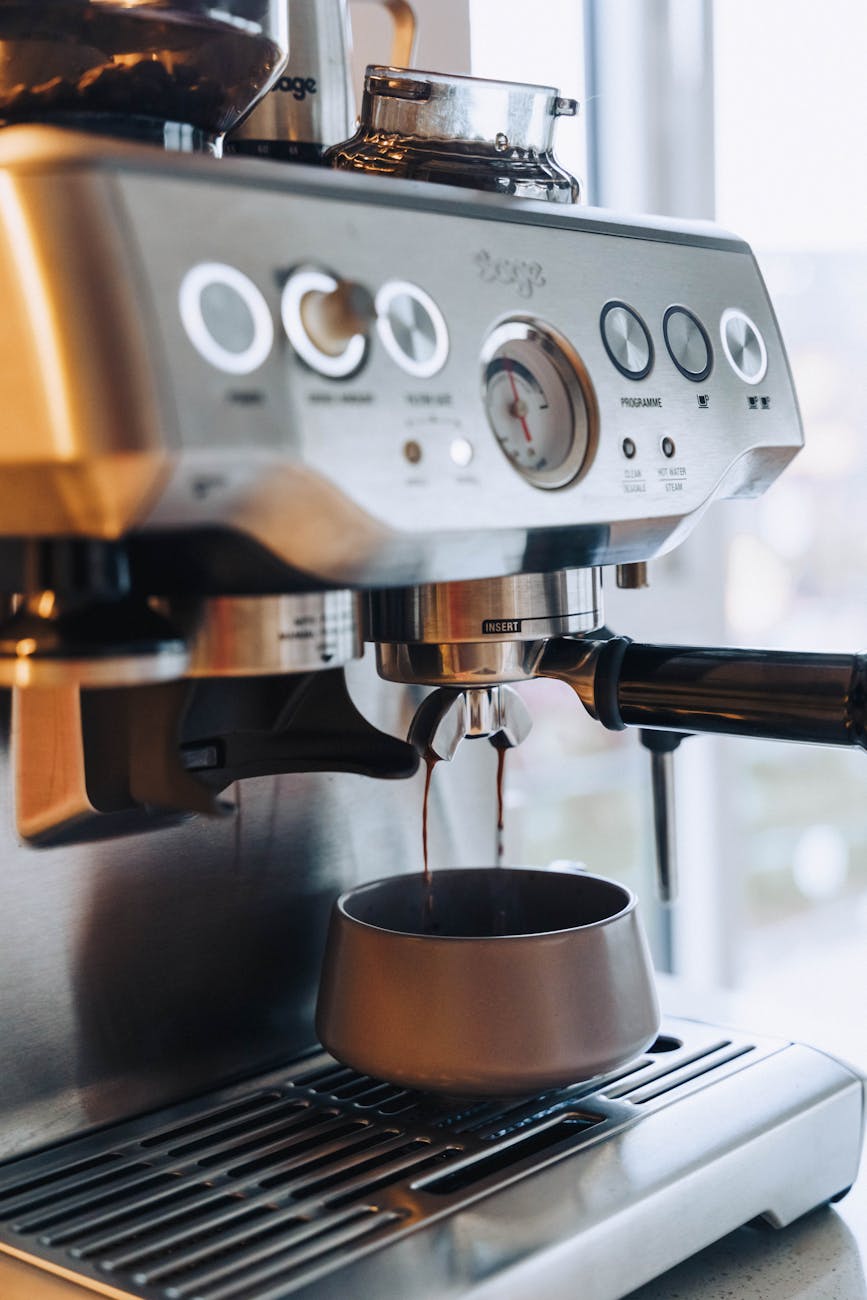
Super-automatic espresso machines are a marvel of modern convenience, promising a perfect, bean-to-cup coffee experience at the touch of a button. However, even the most advanced machine can produce a disappointing cup if the extraction isn’t right. A watery, sour, or bitter shot of espresso is a clear sign that something is amiss in the brewing process. This article is your guide to becoming a home barista detective. We will delve into the common causes of poor extraction in super-automatic machines, from incorrect grind settings to overlooked maintenance tasks. By understanding these key factors, you can troubleshoot the issues yourself and get back to enjoying the delicious, balanced coffee your machine was designed to make.
Understanding the basics of extraction
Before we can fix a problem, we need to understand what’s supposed to happen. A perfect espresso shot is a result of a balanced extraction. This is the process of hot, pressurized water passing through a compressed puck of ground coffee, dissolving its soluble flavors, oils, and aromas. The goal is to hit the “sweet spot.”
- Under-extraction: This happens when the water passes through the coffee grounds too quickly. It doesn’t have enough time to pull out the desirable sweet flavors. The result is a coffee that tastes sour, weak, and lacks body. You’ll often see a thin, pale crema that disappears quickly.
- Over-extraction: This is the opposite problem. The water spends too much time in contact with the coffee grounds, pulling out too many soluble compounds, including the unpleasant bitter and harsh ones. The resulting shot will be bitter, astringent, and may have a dark, splotchy crema.
In a super-automatic machine, the device handles the grinding, dosing, tamping, and brewing. But the settings that control these actions are up to you. The following chapters will explore how to adjust these settings to achieve that perfect, balanced extraction.
The number one culprit: Your grind setting
More than any other variable, the size of your coffee grounds dictates the outcome of your shot. Think of it like a dam made of rocks versus one made of sand. Water flows quickly through rocks (a coarse grind) but struggles to get through sand (a fine grind). This principle is the key to solving most extraction issues.
If your coffee is watery and sour, it’s a classic sign of under-extraction. The coffee likely pours out of the spouts very quickly, looking thin and pale. This means your grind is too coarse. The water is rushing through the coffee puck without enough resistance.
Conversely, if your machine sounds like it’s struggling and the coffee drips out slowly, you’re likely dealing with over-extraction. This indicates your grind is too fine. The water can’t penetrate the tightly packed grounds effectively, leading to a bitter, burnt-tasting result.
How to fix it: Adjusting the grind is simple but requires a specific method. Most super-automatics have a dial inside the bean hopper. It’s crucial to only adjust the grind setting while the grinder is in operation. Making adjustments when the grinder is idle can damage the burrs. Change the setting one notch at a time toward “fine” if your coffee is watery, or one notch toward “coarse” if it’s choking. After each adjustment, pull two or three shots to allow the new setting to take full effect before you taste and judge the result.
Dialing in dose, volume, and coffee beans
Once you have a better handle on your grind size, you can fine-tune your shot by looking at other variables that work in tandem with it. The grind setting doesn’t exist in a vacuum; it’s part of a larger recipe that includes the amount of coffee used, the amount of water pushed through it, and the type of beans themselves.
Coffee dose and strength: Most machines have a “strength” or “aroma” setting, often indicated by coffee bean icons. This setting controls the dose, or the amount of coffee ground for each shot. A higher strength setting uses more coffee. If you increase the dose, you may need to make the grind slightly coarser to compensate for the more densely packed coffee puck. If you prefer a lighter shot and decrease the dose, you may need a finer grind to create enough resistance.
Brew volume: This is simply how much water is used for your coffee, which you can often program. A standard espresso is a small, concentrated drink. If you program a very large volume of water to pass through a small dose of coffee, you will almost certainly over-extract it, resulting in bitterness. For a longer drink, it’s better to brew a proper espresso and add hot water to make an Americano rather than forcing too much water through the puck.
Your choice of beans: Not all beans are created equal for super-automatic machines. Extremely oily, dark-roasted beans can wreak havoc. The oils can clog the grinder burrs, leading to inconsistent grinding and, eventually, a malfunctioning unit. For best results, opt for a medium-roast, non-oily bean. Freshness is also key; stale beans will produce a flat, lifeless coffee regardless of your settings.
The critical role of cleaning and maintenance
You can have the perfect beans and dial in your settings with precision, but if your machine is dirty, you will never achieve a great-tasting coffee. Old coffee grounds and oils build up over time, turning rancid and imparting foul tastes into every cup. Furthermore, a poorly maintained machine cannot perform its mechanical functions correctly, which directly impacts extraction.
The most important component is the brew group. This is the heart of your machine, where the tamping and brewing happen. Most super-automatics have a removable brew group that should be rinsed with plain lukewarm water at least once a week. Do not use soap. This removes residual grounds that can hinder movement and cause channeling, where water punches a hole through the puck instead of saturating it evenly. Periodically, you should also use coffee oil remover tablets as part of a cleaning cycle to break down stubborn, flavor-damaging oils.
Here is a quick reference for common issues tied to maintenance:
| Problem Symptom | Likely Cause | Maintenance Solution |
|---|---|---|
| Watery, messy coffee pucks in the dreg drawer | Dirty or unlubricated brew group | Rinse the brew group thoroughly. Lubricate O-rings and moving parts per manufacturer’s instructions. |
| Inconsistent shot volume and flow | Clogged grinder or coffee spouts | Run a grinder cleaning cycle with pellets. Use a small brush or pin to clear the coffee spouts. |
| Coffee tastes dull and lacks heat | Scale buildup in the heating system | Perform a full descaling cycle using the manufacturer-recommended solution. |
A consistent cleaning schedule is not optional; it’s essential for both the quality of your coffee and the longevity of your machine.
Mastering your super-automatic machine is a rewarding process that bridges the gap between convenience and quality. While they are designed to be simple, these machines are not “set it and forget it” appliances. Achieving a delicious, balanced extraction is a matter of understanding a few key principles. By starting with the grind setting—the most impactful adjustment you can make—you can solve the majority of taste issues like sourness or bitterness. From there, layering in adjustments to your coffee dose and brew volume allows for finer control. And underpinning it all is a non-negotiable commitment to regular cleaning and maintenance. A clean machine is a functional machine. By paying attention to these details, you empower yourself to troubleshoot any issue and consistently produce café-quality coffee right in your own kitchen.

 No products in the cart.