

There’s nothing quite like the ritual of preparing an espresso. You grind the beans, tamp the puck, and watch as the rich, syrupy liquid flows into your cup. But then you take a sip, and your face contorts. Instead of the sweet, balanced flavor you were hoping for, you get an aggressive, lingering bitterness. This frustrating experience is incredibly common for home baristas. That unpleasant taste is a clear signal that something is wrong with your extraction process. Don’t throw in the towel just yet! In this guide, we will dive into the main causes of bitter espresso and explore the two most powerful tools you have to fix it: your coffee grinder and your machine’s brewing temperature.
Understanding over-extraction: The root of bitterness
Before we can fix the problem, we need to understand it. That bitter taste in your espresso is almost always a symptom of over-extraction. Think of extraction as the process of water dissolving flavors from your coffee grounds. A perfect extraction is balanced; it pulls out the sweet sugars and fruity acids first, followed by just enough of the deeper, caramel-like compounds. Over-extraction happens when the water stays in contact with the coffee for too long or is too aggressive, and it starts pulling out the less desirable, highly soluble compounds that are inherently bitter and astringent. It essentially strips the coffee grounds bare.
In contrast, under-extraction is the opposite problem, where the water flows through the grounds too quickly, resulting in a sour, acidic, and thin-tasting shot. Recognizing whether your espresso is bitter (over-extracted) or sour (under-extracted) is the first critical step in diagnosing your shot and knowing which direction to go to fix it.
Your first line of defense: Adjusting the grind size
Your grinder is the most important tool you have for controlling espresso flavor. The size of your coffee grounds directly dictates how long the water and coffee are in contact during the brewing process. This contact time is the primary driver of extraction.
- A finer grind: Creates more surface area and a more compact coffee puck. This slows down the flow of water, increasing the contact time and leading to a higher extraction. If your grind is too fine, the shot will run very slowly, and you will get that tell-tale bitterness of over-extraction.
- A coarser grind: Creates less surface area and more space between particles. This allows water to flow through more quickly, reducing contact time and leading to a lower extraction.
So, if your shot is bitter, the very first thing you should do is make your grind coarser. The key is to make small, incremental adjustments. Change the grind setting by one small step, purge a few grams of beans to clear out any old grounds, and pull another shot. Keep your dose (the amount of coffee) and yield (the amount of liquid espresso) the same so you can isolate the effect of the grind change. Time your shot and taste it. You are aiming for a balanced shot that typically runs between 25 and 35 seconds.
The subtle power of brewing temperature
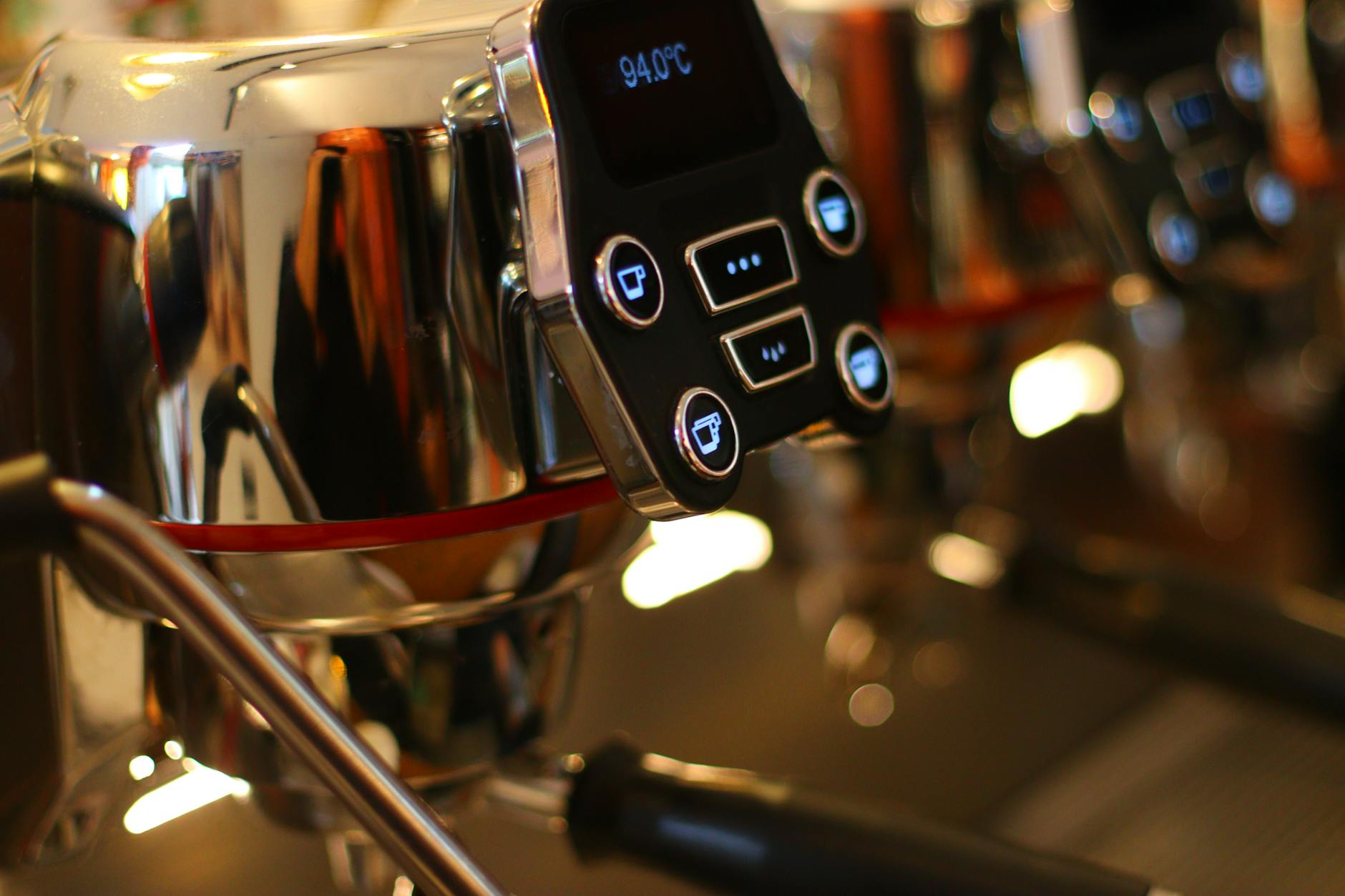
If you’ve adjusted your grind size and your shots are timing out perfectly (e.g., 30 seconds) but still taste bitter, it’s time to look at your second variable: water temperature. Temperature acts as a catalyst for extraction. Hotter water has more energy and dissolves flavor compounds much more quickly and efficiently than cooler water. If your brew water is too hot, it can violently strip the coffee grounds, causing over-extraction even within a perfect shot time.
The ideal temperature often depends on the roast level of your coffee beans:
- For darker roasts: These beans are more porous and soluble after the roasting process. They extract very easily. To avoid a bitter, roasty, or ashy taste, try using a lower temperature, typically between 88-92°C (190-198°F).
- For lighter roasts: These beans are much denser and less soluble. They require more energy to extract their sweet and complex flavors. For these, you’ll want to use a higher temperature, usually in the 92-96°C (198-205°F) range.
If you suspect temperature is your issue, try lowering it by 1°C (about 2°F) and taste the result. This small change can often be all it takes to tame that bitterness and reveal the sweetness hidden in your beans.
A practical troubleshooting guide
To succeed, it is crucial to follow a logical process and only change one variable at a time. If you change both the grind and the temperature at once, you will never know which adjustment actually fixed the problem. Use the following table as a quick reference guide to diagnose your espresso and decide what to do next.
| Taste / Symptom | Shot Time | Likely Cause | Primary Solution |
|---|---|---|---|
| Bitter, hollow, astringent | Too long (e.g., >35 seconds) | Over-extraction from a grind that is too fine. | Make the grind coarser to speed up the shot. |
| Sour, watery, acidic | Too short (e.g., <25 seconds) | Under-extraction from a grind that is too coarse. | Make the grind finer to slow down the shot. |
| Bitter, but shot time is good | Ideal (e.g., 25-35 seconds) | Over-extraction from water temperature being too high. | Lower your machine’s brew temperature by 1-2 degrees. |
| Sour, but shot time is good | Ideal (e.g., 25-35 seconds) | Under-extraction from water temperature being too low. | Increase your machine’s brew temperature by 1-2 degrees. |
By following this workflow, you can methodically eliminate issues and zero in on the perfect recipe for your specific coffee beans and equipment.
In conclusion, fixing bitter espresso is not a matter of luck but a process of diagnosis and targeted adjustment. The overwhelming bitterness you taste is a clear sign of over-extraction, a problem that occurs when water takes too much from the coffee grounds. Your first and most powerful tool for correction is your grinder; making the grind coarser will slow down extraction. If your shot time is perfect but bitterness persists, your next move is to lower the brewing temperature to make the extraction gentler. Remember the golden rule: change only one variable at a time. By understanding these principles and applying them patiently, you can transform your frustrating, bitter shots into the balanced, sweet, and delicious espresso you crave.
 No products in the cart.