

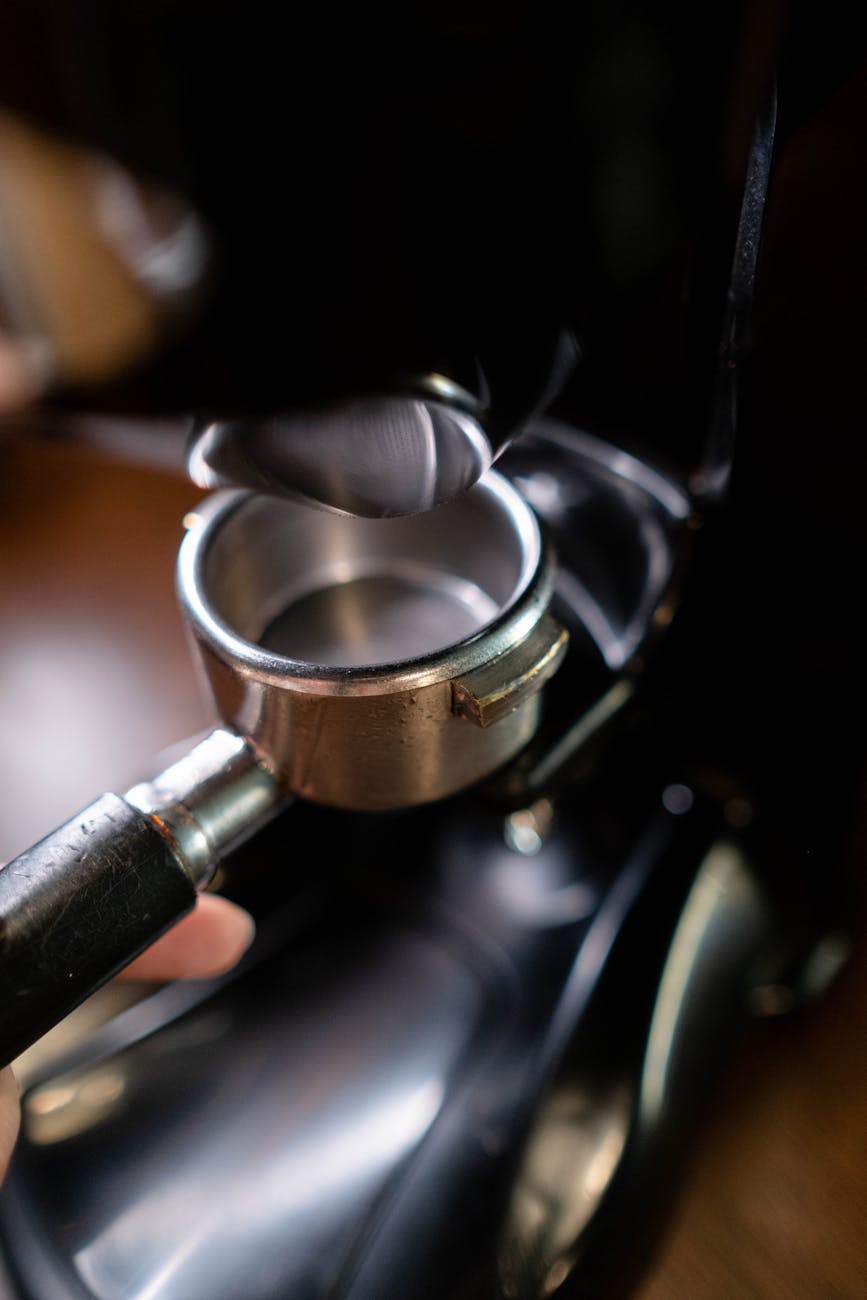
The overlooked secret to perfect espresso: Portafilter temperature
Every aspiring home barista obsesses over the details: the origin of the beans, the precision of the grinder, the exact tamping pressure. We dial in our scales and time our shots to the second. Yet, a surprisingly common culprit for inconsistent and disappointing espresso is often ignored: the temperature of the portafilter itself. This hefty piece of metal is not just a passive coffee holder; it’s an active thermal component in the brewing process. A cold portafilter can sabotage a potentially perfect shot before the first drop even appears. This article will delve into why maintaining a stable and hot portafilter temperature is absolutely crucial for achieving the sweet, balanced, and repeatable espresso shots you crave.
Heat, extraction, and thermal stability
At its core, brewing espresso is a process of heat and pressure. Hot water acts as a solvent, dissolving the delicious soluble compounds within the coffee grounds. For a balanced extraction, this process needs to happen within a very specific temperature range, typically between 90-96°C (195-205°F). The concept of thermal stability is paramount here. This means that every component the brew water touches, from the boiler to the group head and finally the coffee puck, should be at a consistent, optimal temperature.
When you introduce a cold element into this carefully heated system, you create a thermal shock. A room-temperature portafilter, which can be a dense block of brass or stainless steel, acts as a massive heat sink. As the precisely heated brew water leaves the group head and enters the portafilter basket, it immediately loses several degrees of heat upon contact with the cold metal. This temperature drop happens at the most critical moment of extraction, fundamentally altering the result in your cup.
How a cold portafilter ruins your shot
The immediate consequence of that sudden temperature drop is under-extraction. The water is no longer hot enough to efficiently dissolve the desirable sugars and oils from the coffee grounds. Instead, it primarily extracts the acids, which dissolve more readily at lower temperatures. This results in a shot that is disappointingly:
- Sour: An aggressive, unpleasant acidity is the number one sign of under-extraction.
- Thin: The shot lacks the rich, syrupy body and crema that characterize good espresso.
- Weak: The flavors are muted and one-dimensional, without the complexity and sweetness you expect.
Beyond a single bad shot, a fluctuating portafilter temperature is a primary cause of inconsistency. Your first shot of the day, pulled with a cold portafilter, will taste completely different from your third shot, when the portafilter has been heated by previous brew cycles. This is why many baristas struggle to get repeatable results. They may blame the grind or the tamp, when in reality, the thermal variable is the true culprit. By not controlling the portafilter temperature, you are introducing a massive, unpredictable variable into your brewing routine.
Mastering portafilter preheating
Fortunately, managing portafilter temperature is simple. The goal is to ensure it is as close to the machine’s brew temperature as possible before you pull a shot. There are two primary methods to achieve this:
- Locking it into the group head: This is the most effective and recommended method. As your espresso machine warms up, keep the clean, empty portafilter locked into the group head. The group head is directly heated by the machine’s boiler, and through conduction, it will transfer that heat to the portafilter. For most machines, allowing it to heat up with the machine for at least 20-30 minutes is ideal for reaching thermal stability.
- Flushing with hot water: If you are in a hurry or forgot to preheat your portafilter, you can run hot water from the group head through it for 10-15 seconds. While this is much better than using a cold portafilter, it mainly heats the basket and the surface. The deep-seated temperature of the heavy metal body won’t be as stable as with the first method, but it can save a shot in a pinch.
By making preheating a non-negotiable step in your workflow, you eliminate a major source of inconsistency and set the stage for a proper extraction.
The data: A tale of three temperatures
To truly understand the impact, let’s look at some illustrative data. The temperature drop is measured as the difference between the water leaving the group head and the temperature of the slurry (water and coffee mixture) in the basket.
| Portafilter state | Starting portafilter temp. | Estimated temp. drop | Resulting taste profile |
|---|---|---|---|
| Cold (room temp) | ~21°C / 70°F | 5 – 10°C / 9 – 18°F | Very sour, thin body, weak flavor, pale and bubbly crema. Classic under-extraction. |
| Quick flush | ~65°C / 150°F | 2 – 4°C / 4 – 7°F | Improved, but may still have a sharp acidic edge. Body is better but not optimal. |
| Fully preheated | ~88°C / 190°F | < 1°C / < 2°F | Balanced sweetness and acidity, rich syrupy body, complex flavors, and persistent crema. |
As the table clearly shows, the difference is not minor. A fully preheated portafilter is essential for minimizing temperature loss and allowing the water to perform its extraction work as intended.
Conclusion
In the meticulous craft of making espresso, success lies in controlling the variables. While grind size, dose, and yield get most of the attention, portafilter temperature is a foundational element that enables all the others to work correctly. A cold portafilter acts as a heat thief, robbing your brew water of the energy it needs to extract the full flavor potential of your coffee, leading to sour shots and frustrating inconsistency. By simply integrating a thorough preheating routine, specifically by locking the portafilter into the group head as the machine warms up, you eliminate this huge variable. This simple, no-cost step is one of the most impactful changes you can make to elevate your home espresso from mediocre to magnificent.

 No products in the cart.