

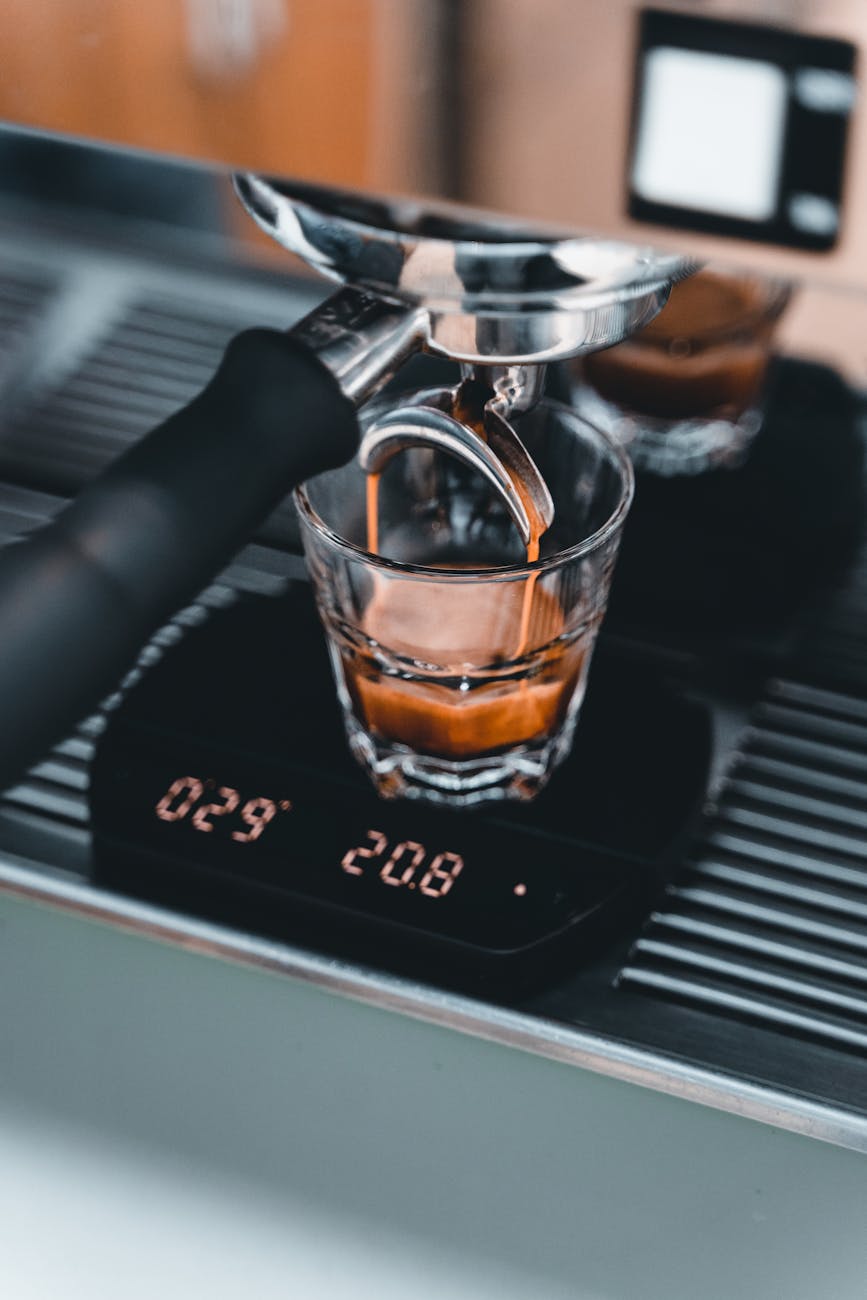
The quest for the perfect espresso shot is a journey filled with variables. Baristas meticulously adjust grind size, water temperature, and pressure, but one critical component is often overlooked: the filter basket. This humble piece of perforated metal sitting inside your portafilter is far more than just a holder for coffee grounds. It is a fundamental tool that directly dictates your dose size and profoundly influences the dynamics of extraction. Understanding the impact of your filter basket’s size is a crucial step in moving from inconsistent shots to consistently delicious espresso. This article will delve into how basket size, coffee dose, and extraction are intrinsically linked, ultimately shaping the character and flavor of the coffee in your cup.
Understanding filter basket fundamentals
Before we can explore its impact, it’s essential to understand what a filter basket is. It’s the metal cup with tiny holes at the bottom that you place inside your portafilter. Its job is to hold the coffee grounds evenly while allowing pressurized water to pass through, extracting all the soluble flavors that make up an espresso shot.
Filter baskets come in various nominal sizes, typically measured in the grams of coffee they are designed to hold. Common sizes include:
- Single baskets: ~7-10 grams
- Double baskets: ~14-20 grams (the most common standard for home and cafe use)
- Triple baskets: ~20-25 grams
It’s important to see these numbers as a starting point, not a rigid rule. The actual amount of coffee you can fit depends on the coffee itself. Darker roasts are less dense and more brittle, meaning they take up more volume for the same weight. A basket labeled “18g” might comfortably fit 18 grams of a medium roast but only 17 grams of a dark, oily roast. Baskets also come in ridged and ridgeless varieties, with the ridge being a small indentation that helps hold it in the portafilter. Many baristas prefer ridgeless baskets for a more uniform puck structure and easier removal.
The direct link between basket size and coffee dose
The most immediate impact of your basket size is the amount of coffee, or dose, you can use. Attempting to put 20 grams of coffee into a 15-gram basket will result in a messy overflow, while putting 15 grams into a 22-gram basket will cause significant problems during extraction. This is due to a critical concept known as headspace.
Headspace is the small gap between the top of the tamped coffee grounds and the shower screen of the espresso machine’s group head. Proper headspace is vital.
Too little headspace: If the coffee puck is touching the shower screen before you even start the shot, the initial infusion of water will immediately fracture the puck’s surface, leading to severe channeling and an uneven, sour extraction.
Too much headspace: If you under-dose a basket, leaving a large gap, a pool of water will form on top of the puck before full pressure is reached. This can lead to a soupy, messy puck and a less-intense, watery extraction.
A good rule of thumb is to have a gap about the thickness of a coin after tamping. Therefore, your basket size dictates your dose. You must dose within the basket’s recommended range (typically +/- 1 gram of its stated size) to achieve the correct headspace and create the ideal conditions for a great extraction.
How puck geometry affects extraction dynamics
Moving beyond just dose, the basket’s size changes the physical shape—or geometry—of the coffee puck, which has a massive effect on how water flows through it. When you increase your dose from 18 grams to 22 grams (and switch to a larger basket), you are creating a deeper coffee bed for the water to travel through.
This increased depth has two main consequences:
- Increased resistance: Water has to work harder and travel a longer path to get through a deeper puck. This naturally slows down the shot.
- Required grind adjustment: To counteract this increased resistance and achieve a standard shot time (e.g., 25-30 seconds), you must grind coarser for larger doses. This may seem counterintuitive, but a coarser grind reduces the inherent resistance of the grounds, balancing out the increased resistance from the deeper puck. Conversely, a smaller dose in a shallower basket requires a finer grind to provide enough resistance and prevent the shot from gushing out too quickly.
Essentially, the basket size sets the stage for a balancing act between puck depth and grind size. This interplay is central to “dialing in” your espresso and is the reason why a grind setting that works for a 15-gram dose will fail for a 20-gram dose.
Choosing the right basket for your taste
So, which basket is right for you? The answer depends on the coffee you’re using and your flavor preference. Different basket sizes and their corresponding doses tend to produce different flavor profiles, especially when paired with an appropriate brew ratio.
Smaller baskets (14g-17g) with their shallower pucks often produce shots that lean towards a more traditional espresso profile. They can highlight body, richness, and chocolatey notes, but may be less forgiving of poor puck preparation, as channeling is more likely in a shallow bed.
Larger baskets (20g-22g) create deeper pucks that can increase extraction clarity. By grinding coarser, you reduce fines and allow for a more even flow, which can highlight bright, acidic, and complex floral or fruity notes, particularly in light roasts. These larger shots are also excellent for building milk-based drinks like lattes, as they provide a strong coffee base that won’t get lost.
Here’s a table to summarize the general relationships:
| Basket size (Nominal) | Typical dose range | Puck depth | Required grind | Potential flavor profile |
|---|---|---|---|---|
| 15g | 14g – 16g | Shallower | Finer | Classic & Balanced: More body, favors chocolate/nutty notes. |
| 18g | 17g – 19g | Medium | Medium | All-Rounder: Good balance of clarity and body. |
| 22g | 21g – 23g | Deeper | Coarser | Modern & Clear: High clarity, complex acidity, less perceived body. |
Ultimately, the best approach is to experiment. Start with the standard double basket that came with your machine, master your technique with it, and then explore other sizes to see how they change the taste of your favorite coffee beans.
In conclusion, the filter basket is a powerful and often underestimated tool in a barista’s arsenal. It is not merely a passive container but an active variable that defines the foundational parameters of your shot. The size of the basket directly determines your appropriate dose range, which in turn sets the puck’s geometry. This geometry—specifically its depth—forces you to adjust your grind size to manage resistance and flow rate. This chain of interconnected factors means your choice of basket has a direct and predictable impact on the final flavor profile. By understanding these relationships, you can intentionally choose a basket size to steer your espresso towards a traditional, balanced profile or a modern, high-clarity extraction, giving you one more layer of control on your journey to the perfect cup.
 No products in the cart.