

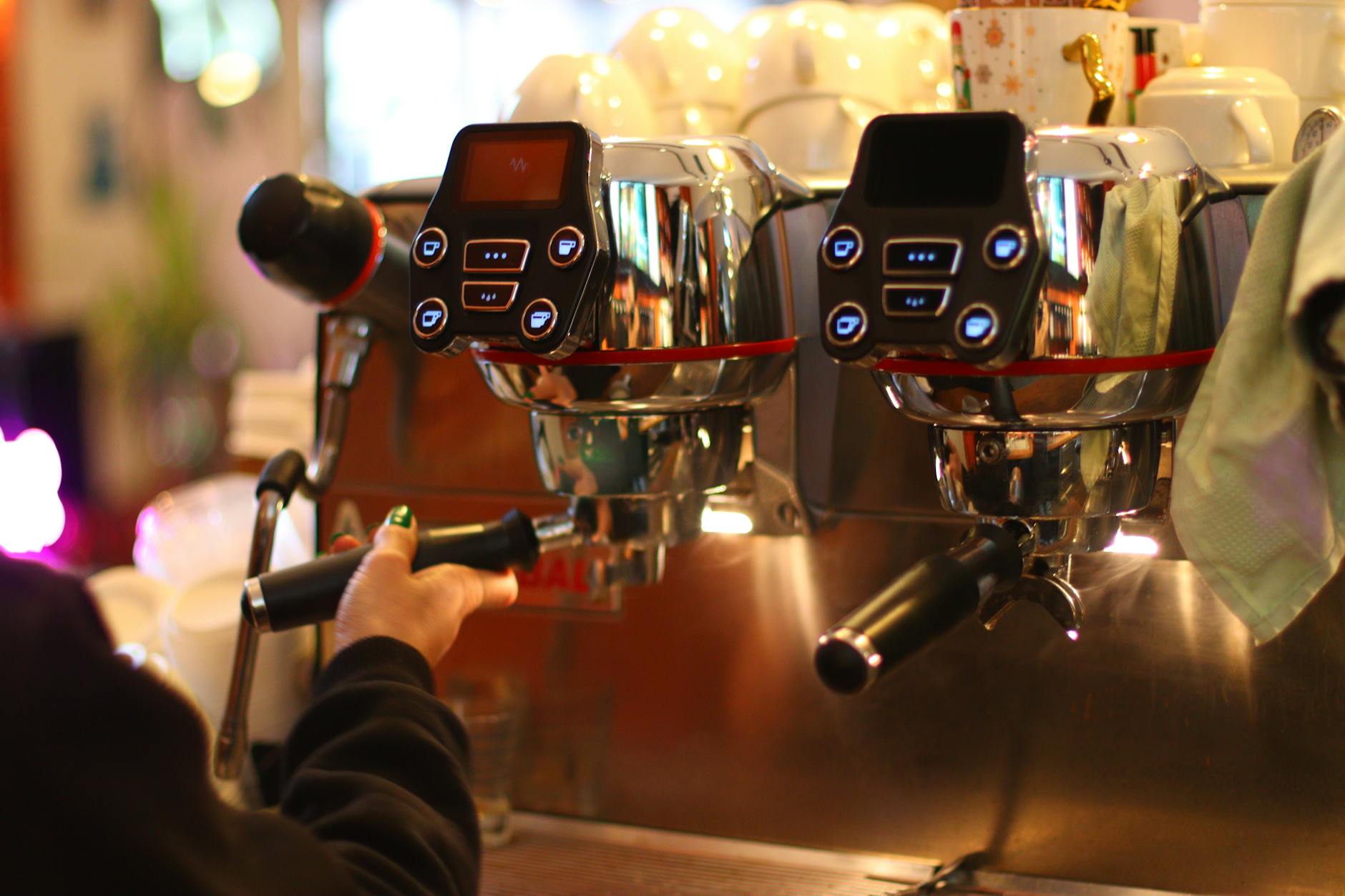
How to dial in espresso: A guide to finding the perfect extraction
The dream of pulling a rich, syrupy, cafe-quality shot of espresso at home is what motivates many of us to invest in our own machines. Yet, the reality is often a frustrating series of sour, bitter, or watery shots. The secret to bridging that gap lies in a process called dialing in. This isn’t some dark art reserved for professional baristas; it’s a methodical approach to controlling variables to consistently achieve a balanced and delicious extraction. This guide will walk you through the fundamental principles of dose, yield, and time, providing you with a clear framework to tame your espresso machine and unlock the full flavor potential of your coffee beans, transforming your kitchen into your favorite coffee spot.
Understanding the core variables of espresso
Before you can adjust anything, you need to understand what you’re controlling. Every espresso shot is defined by a recipe, and that recipe has three core components: dose, yield, and time. Mastering these variables is the first step toward repeatable, delicious coffee.
- Dose: This is simply the weight of dry coffee grounds you put into your portafilter basket. Consistency here is non-negotiable. A common starting point for a double shot is between 18 and 20 grams. Your basket is designed for a specific dose range, so it’s best to stick to that. Use a scale with 0.1-gram accuracy to ensure your dose is the same every single time. It’s the foundation upon which your entire recipe is built.
- Yield: This refers to the weight of the liquid espresso in your cup. We measure this in grams, not volume, because the crema can be misleading. The relationship between your dose and your yield is called the brew ratio. A standard starting point is a 1:2 ratio. This means for an 18-gram dose, you would aim for a 36-gram yield. This ratio heavily influences the strength and body of your shot.
- Time: This is the total duration of the extraction, measured from the moment you start the pump to the moment you stop it at your target yield. A general guideline is a total shot time of 25 to 35 seconds. However, it’s crucial to see time not as a fixed goal, but as a diagnostic tool. It tells you how fast the water is flowing through the coffee, which is what you’ll be adjusting.
The starting point: Establishing your baseline recipe
Now that you understand the variables, it’s time to establish a starting point. The goal here is not to pull a perfect shot on the first try, but to create a consistent baseline from which you can make informed adjustments. Think of it as drawing a map before you start your journey. For this process, a coffee scale and a timer are your most important tools.
First, choose your dose. Let’s decide on 18 grams, a common and effective dose for many standard double baskets. Weigh out exactly 18 grams of whole beans.
Next, determine your target yield. Using the classic 1:2 brew ratio, your target yield for an 18-gram dose will be 36 grams. Place your cup on the scale under the portafilter and tare it to zero before you begin brewing.
Finally, keep an eye on the time. Your target is to have that 36-gram yield in the cup somewhere between 25 and 35 seconds. Remember, this is just a benchmark. Your first shot will likely fall outside this range, and that’s perfectly fine. The key rule from this point forward is critical: only change one variable at a time. This scientific approach is the fastest way to find the sweet spot.
The art of adjustment: Using grind size to steer extraction
With your baseline recipe set, you’ve pulled your first shot. You measured an 18-gram dose, stopped the shot at a 36-gram yield, and your timer reads 19 seconds. The shot tastes sour and thin. This is the moment where the real work of dialing in begins, and your primary tool for adjustment is the coffee grinder.
Grind size directly controls the speed of your extraction. A finer grind creates more surface area and a more compacted coffee puck, which provides more resistance to the water. This slows down the flow. A coarser grind creates less resistance, allowing the water to flow through more quickly.
Based on your first shot, you can diagnose the problem and apply a solution:
- If your shot is too fast (under 25 seconds): The water is flowing through the coffee too quickly, leading to under-extraction. The resulting flavors are often sour, acidic, and lacking body. The solution: Adjust your grinder to a finer setting. This will slow the shot down, allowing the water more time to extract the desirable flavors from the coffee.
- If your shot is too slow (over 35 seconds): The water is struggling to get through the coffee, leading to over-extraction. This will produce flavors that are bitter, harsh, and astringent, masking the coffee’s sweetness. The solution: Adjust your grinder to a coarser setting. This will speed up the flow of water, bringing your shot time back into the target range.
Make a small adjustment to your grinder and pull another shot, keeping the dose and yield exactly the same. Repeat this process until your time falls within the 25-35 second window.
Espresso troubleshooting guide
| Problem | Symptom (Taste) | Shot Time | Solution |
|---|---|---|---|
| Under-extraction | Sour, overly acidic, thin body | Too fast (<25 seconds) | Grind finer |
| Over-extraction | Bitter, harsh, astringent | Too slow (>35 seconds) | Grind coarser |
| Balanced | Sweet, complex, pleasant acidity | Just right (25-35 seconds) | Enjoy your espresso! |
Tasting and fine-tuning beyond the numbers
Getting your shot time into the 25-35 second range is a massive victory, but it’s not the final destination. The numbers are a guide, but your palate is the ultimate judge. Now is the time to start fine-tuning based on taste. You might find that even with a “perfect” 30-second shot time, the espresso is still not quite right. This is where you can begin to manipulate the brew ratio (your yield) to perfect the flavor profile.
If your shot is technically correct but still tastes a little sour or acidic, it may still be slightly under-extracted for that specific bean. Try increasing the yield slightly. Instead of a 1:2 ratio (18g in, 36g out), push it to 1:2.2 (18g in, ~40g out). This longer extraction can pull out more sweetness and body to balance the acidity.
Conversely, if your shot tastes a little bitter or overly intense, it might be slightly over-extracted. Try decreasing the yield. Pull the shot shorter with a 1:1.8 ratio (18g in, ~32g out). This can reduce bitterness and highlight the coffee’s brighter notes. Make these changes in small increments, always tasting the result. Every coffee is different; a dark roast may taste best with a shorter ratio, while a light roast may need a longer one to shine.
Conclusion
Dialing in espresso is a journey of precision and sensory feedback. It begins with establishing a consistent foundation by controlling your dose. From there, you use your target yield and time as a guide, making methodical adjustments to your grind size to steer the extraction. A shot that runs too fast is likely sour and needs a finer grind, while one that runs too slow is often bitter and requires a coarser grind. Once you are in the right ballpark, trust your taste. Fine-tune your brew ratio by slightly increasing or decreasing the yield to achieve that perfect balance of sweetness, acidity, and body. This process transforms espresso from a guessing game into a rewarding craft, empowering you to consistently produce incredible coffee at home.
 No products in the cart.