

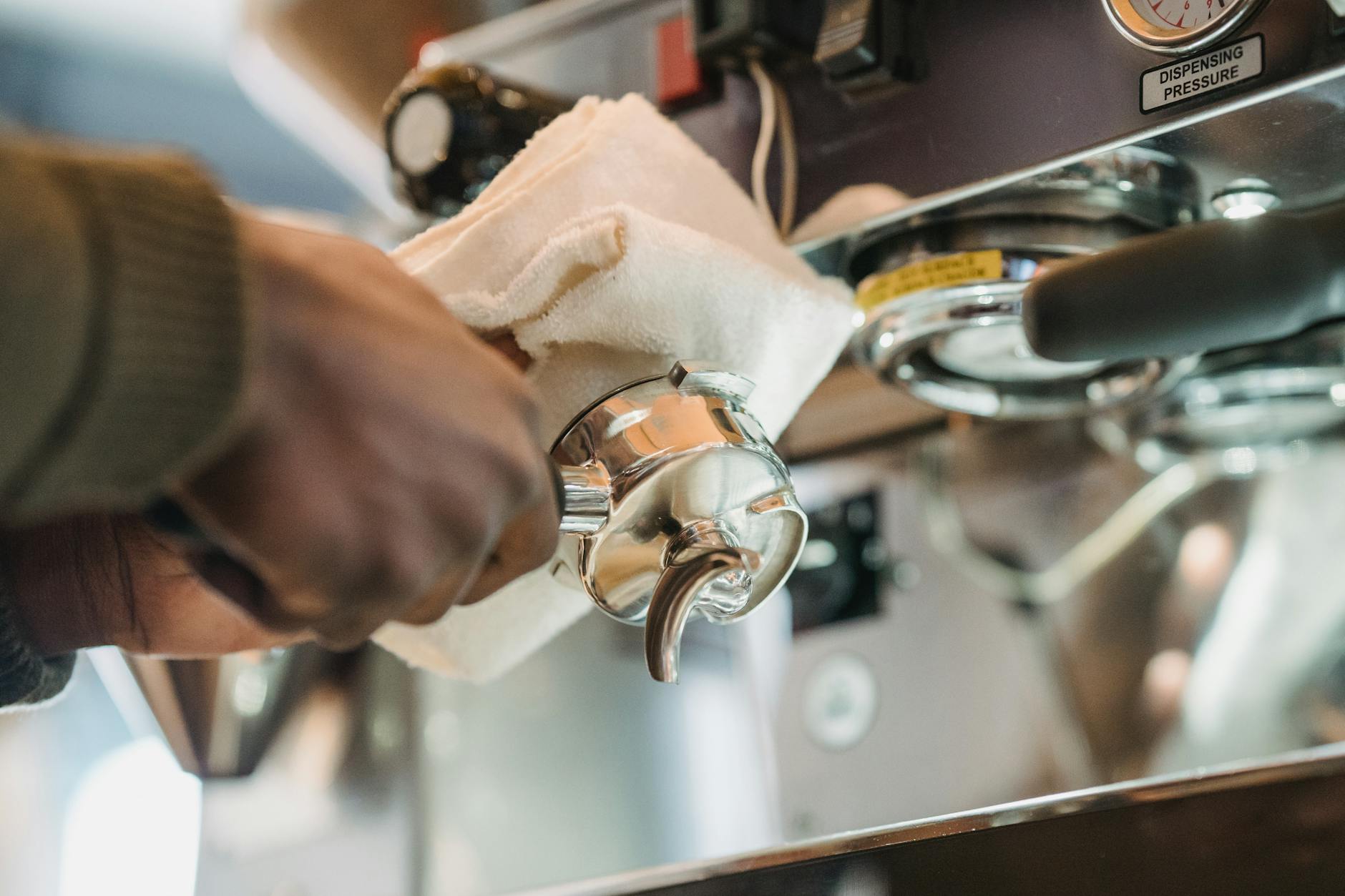
Your essential super–automatic espresso machine maintenance checklist
Investing in a super-automatic espresso machine brings the dream of one-touch, cafe-quality coffee into your kitchen. This incredible convenience, however, is powered by a complex system of grinders, pumps, and brew units working in perfect harmony. To keep that magic alive and your coffee tasting pristine, regular maintenance isn’t just a suggestion—it’s essential. Neglecting these simple routines can lead to bitter-tasting coffee, frustrating malfunctions, and costly future repairs. This guide provides a comprehensive maintenance checklist, broken down into daily, weekly, and monthly tasks. Following this schedule will protect your investment, ensure your machine operates flawlessly for years, and guarantee that every cup you brew is as delicious as the first.
Daily rituals for a happy machine
The foundation of long-term performance is built on small, consistent habits. These daily tasks take only a minute or two but are your first line of defense against buildup and potential issues. Think of them not as chores, but as the closing ceremony for your daily coffee enjoyment. The most critical daily actions involve managing waste and residue.
First, always empty the internal drip tray and the used coffee grounds container. While it may seem harmless to leave them overnight, a full drip tray can cause water to back up into the machine’s sensitive electronics. Furthermore, damp, spent coffee grounds are a perfect breeding ground for mold. Most machines will alert you when these need emptying, but making it a habit at the end of each day is best practice.
Second, if you use a steam wand for milk frothing, it must be cleaned immediately after every use. Fresh milk residue wipes away easily with a damp cloth. If left to dry, it hardens into a stubborn crust that not only harbors bacteria but can also clog the tiny holes at the wand’s tip, severely impacting its ability to create that silky microfoam you love.
Weekly cleaning for optimal flavor
While daily tasks manage the immediate mess, weekly routines tackle the invisible culprits that degrade your coffee’s flavor: coffee oils and fine grounds. Over time, these build up within the machine’s core components, leading to a rancid or bitter taste.
The heart of your machine is the brew group. If your model has a removable one, take it out once a week and rinse it thoroughly under lukewarm running water. Do not use soap or detergents, as they can strip away essential food-safe lubricants and damage the parts. This simple rinse dislodges fine coffee particles that the machine’s internal rinse cycle might miss. Let it air dry completely before reinserting it.
About once a week or every 200 cups, you should also run a cleaning cycle using coffee oil remover tablets. These are specifically designed to degrease the brew group and the coffee spouts. Coffee beans are naturally oily, and these oils accumulate, turn rancid, and directly impact the flavor of your espresso. This cycle is different from descaling; it’s purely for cleaning away oily residue and is vital for maintaining flavor purity.
If your machine has an automatic milk frothing system, like a carafe, it needs a weekly deep clean with a dedicated milk circuit cleaner. This solution is formulated to break down milk fat and protein deposits that water alone cannot remove, preventing clogs and ensuring your system remains hygienic.
Monthly and periodic deep maintenance
Less frequent but critically important, periodic deep maintenance tasks are what truly ensure the longevity of your super-automatic machine. These procedures address mineral buildup and mechanical wear, protecting the internal workings from long-term damage.
The most important of these is descaling. All water contains minerals like calcium and magnesium, which build up as limescale inside the machine’s heating element and water lines. This buildup insulates the heater, causing a drop in brew temperature, and can restrict water flow, eventually leading to a complete blockage and catastrophic failure. Your machine will prompt you when it’s time to descale, typically every one to three months depending on your water hardness. Always use the manufacturer-recommended descaling solution and follow the specific instructions for your model’s descaling program.
Many machines also use a water filter in the tank. This is not only for improving taste but also for softening the water to reduce limescale buildup. These filters have a limited lifespan and must be replaced every two months or so. A spent filter is ineffective, so keeping up with replacements will extend the time between descaling cycles and provide better protection for your machine.
Finally, the moving parts of a removable brew group require occasional lubrication to operate smoothly. Every few months, apply a thin layer of food-safe silicone grease (check your manual for the exact type) to the o-rings and guide rails. This prevents parts from grinding against each other, reducing wear and ensuring a proper seal during the brewing process.
Your quick-reference maintenance schedule
Keeping track of these tasks can seem daunting, but organizing them into a simple schedule makes it easy. Your machine’s user manual is your ultimate guide, as specific requirements can vary between brands like Jura, De’Longhi, or Saeco. However, the table below provides a general framework that applies to most super-automatic machines. Following this schedule will help you stay on top of your machine’s health.
| Task | Frequency | Purpose |
|---|---|---|
| Empty drip tray & grounds bin | Daily | Prevents overflow, mold, and machine errors. |
| Wipe steam wand | Daily (after each use) | Avoids clogged nozzles and bacterial growth from milk residue. |
| Rinse removable brew group | Weekly | Removes fine coffee grounds and oils for better taste. |
| Degrease with cleaning tablets | Weekly to Bi-weekly | Eliminates rancid coffee oils from the brewing path. |
| Deep clean milk system | Weekly | Dissolves milk fat and protein to prevent clogs and ensure hygiene. |
| Descale | Every 1-3 months | Removes limescale to protect internal components and maintain temperature. |
| Change water filter | Every 2-3 months | Improves water taste and reduces the frequency of descaling. |
| Lubricate brew group | Every 3-6 months | Ensures smooth operation and prevents wear on moving parts. |
A super-automatic espresso machine is a fantastic investment that elevates your daily coffee ritual. By integrating this simple yet effective maintenance checklist into your routine, you are doing more than just cleaning; you are actively preserving the quality of your coffee and the longevity of your machine. From the quick daily wipe-downs to the crucial periodic descaling, each step plays a role in its overall performance. A few minutes of care each week ensures that your machine will continue to reward you with delicious, hassle-free espresso, cappuccinos, and lattes for many years to come. Treat your machine well, and it will return the favor with every single cup.


 No products in the cart.