

The ritual of drinking espresso is a complete sensory experience, from the rich aroma that fills the air to the lingering aftertaste on your palate. For enthusiasts and professionals alike, evaluating a shot goes far beyond simple taste. We analyze its body and mouthfeel, the very texture and weight of the coffee in our mouths. But did you know that the cup you drink from is not just a passive container? The shape, size, and material of your espresso cup can dramatically alter your perception of these crucial qualities. This article will explore how you can use different cup shapes as a tool to deconstruct, evaluate, and better appreciate the complex body and mouthfeel of your favorite espresso.
Understanding espresso body and mouthfeel
Before we can manipulate our perception of espresso, we must first understand what we are evaluating. The terms “body” and “mouthfeel” are often used interchangeably, but they describe distinct tactile sensations. Body refers to the perceived weight and viscosity of the espresso on your tongue. Think of the difference between skim milk, whole milk, and heavy cream; this variation in richness and substance is analogous to the body of a coffee. A full-bodied espresso feels heavy and substantial, coating your palate, while a light-bodied one feels thinner and more delicate.
Mouthfeel, on the other hand, is a broader term describing the overall texture and tactile sensations. Is the espresso smooth and velvety? Is it syrupy and dense, or perhaps unpleasantly gritty or astringent? Mouthfeel encompasses the entire physical experience of the liquid in your mouth, from its initial impact to the lingering sensation it leaves behind. Together, body and mouthfeel are critical indicators of a well-extracted shot, influenced by factors like the coffee’s origin, roast level, and brewing parameters. By learning to identify these characteristics, you can better understand the coffee’s quality, and the cup is your first tool in that exploration.
The classic demitasse and its purpose
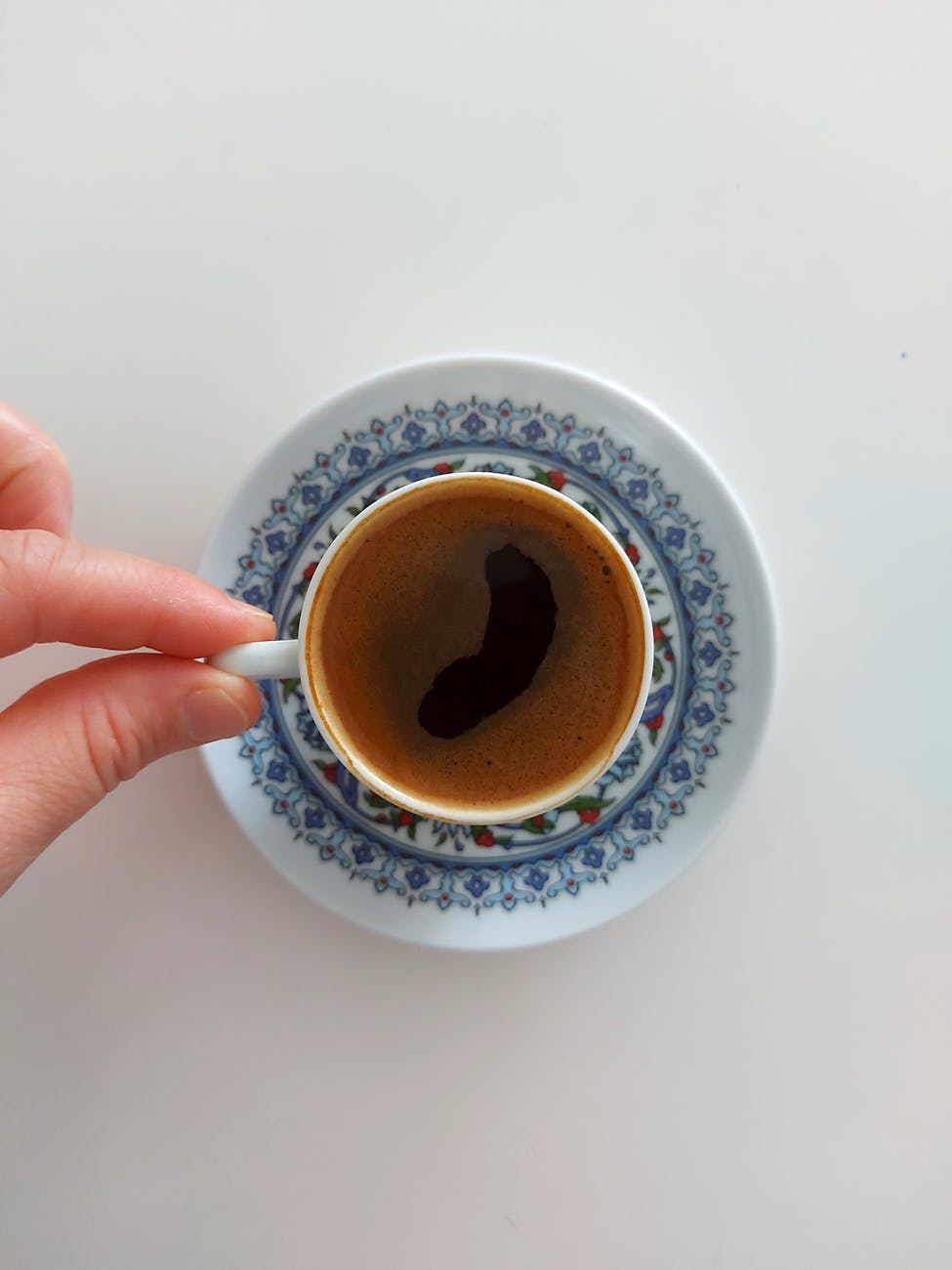
The traditional espresso cup, or demitasse, is the result of decades of refinement, designed to present a shot of espresso in its most balanced and ideal state. Its iconic tulip shape, thick ceramic walls, and narrow base are not merely aesthetic choices; each element serves a specific sensory function. The thick walls are excellent insulators, preserving the espresso’s optimal drinking temperature. This is crucial because a drop in temperature can cause the desirable volatile aromatic compounds to dissipate and the shot’s flavors to become muted or sour.
The shape itself plays a vital role in preserving the crema and delivering the coffee to the palate. The narrow, rounded bottom helps to maintain a thick, stable layer of crema, which holds much of the espresso’s aroma. As you bring the cup to your lips, the slightly wider rim allows these aromas to gather and meet your nose, priming your senses for the first sip. When you drink, the curve of the cup delivers the liquid to your tongue in a way that promotes an even coating, allowing you to perceive a full, balanced body and a rich, velvety mouthfeel. The classic demitasse is designed for enjoyment, offering a holistic and integrated snapshot of the espresso’s quality.
Using alternative shapes for focused evaluation
While the demitasse is perfect for balanced enjoyment, using unconventional cup shapes can help you isolate and amplify specific attributes of the espresso, much like using different wine glasses for different varietals. By changing the vessel, you change the way the espresso interacts with your senses, offering new perspectives on its body and mouthfeel.
- The Wide, Bowl-Shaped Cup: A cup with a wider mouth and a larger surface area will cause the espresso’s volatile aromas to release more quickly and intensely. This is excellent for evaluating a coffee’s aromatic profile. However, this increased surface area also allows the liquid to spread across your tongue more rapidly upon sipping. This can make the body feel lighter and thinner than it would in a demitasse. This effect can be a useful diagnostic tool, helping you to detect subtle textural flaws or to better appreciate the delicate qualities of a less viscous, tea-like espresso.
- The Narrow, Tall Cup: A cup shaped more like a small flute has the opposite effect. The narrow opening concentrates the aromas, funneling them directly to your nose and potentially highlighting specific notes that might be lost in a wider cup. When you sip, this shape delivers a focused, narrow stream of espresso onto the center of your palate. This can intensify the perception of acidity and the initial “attack” of the coffee. The body might feel more direct and intense but less encompassing, making this shape ideal for evaluating the directness and structure of the mouthfeel.
A practical guide to comparative tasting
Putting this theory into practice is simple and can transform your understanding of espresso. The next time you pull a shot, try a comparative tasting experiment.
Your Setup:
- Pull a single, well-extracted double espresso shot.
- Immediately split the shot as evenly as possible into three different cups: a classic demitasse, a wide bowl-shaped cup (a small ceramic condiment bowl works well), and a narrow, taller cup (like a large shot glass).
- Arrange them in a row for easy comparison.
The Evaluation:
First, observe the crema and inhale the aroma from each cup, noting any differences. Then, taste them in sequence. Start with the classic demitasse to set your baseline for body and mouthfeel. Next, sip from the wide bowl. Does the body feel lighter? Does the texture feel more spread out? Finally, taste from the narrow cup. Do you notice a more intense, focused sensation on your tongue? Pay attention to how the liquid flows and coats your palate with each shape. This exercise will help you move beyond a simple “good” or “bad” verdict and develop a more nuanced vocabulary for describing your coffee.
| Cup Shape | Primary Effect on Aroma | Perceived Body | Perceived Mouthfeel | Best For Evaluating |
|---|---|---|---|---|
| Classic Demitasse (Tulip) | Balanced and integrated | Full and rounded | Velvety and rich | Overall balance and enjoyment |
| Wide Bowl | Intense, quick release | Lighter, thinner | Broader, less concentrated | Aromatic complexity and subtleties |
| Narrow Tall (Flute) | Focused and direct | Intense and focused | Sharp and direct | Acidity and initial impact |
In conclusion, the cup you use for your espresso is far more than a simple receptacle; it is an active tool that shapes your entire sensory experience. We have seen how the traditional demitasse is engineered to present a balanced and harmonious profile, preserving heat and highlighting the espresso’s best qualities. By venturing beyond this classic shape, we can use wider bowls to accentuate aroma and analyze delicate textures, or narrower cups to focus on intensity and acidity. This hands-on approach of comparative tasting empowers you to deconstruct the complex sensations of body and mouthfeel. By simply changing the vessel, you can deepen your appreciation and gain a more sophisticated understanding of every single shot you pull.


 No products in the cart.