

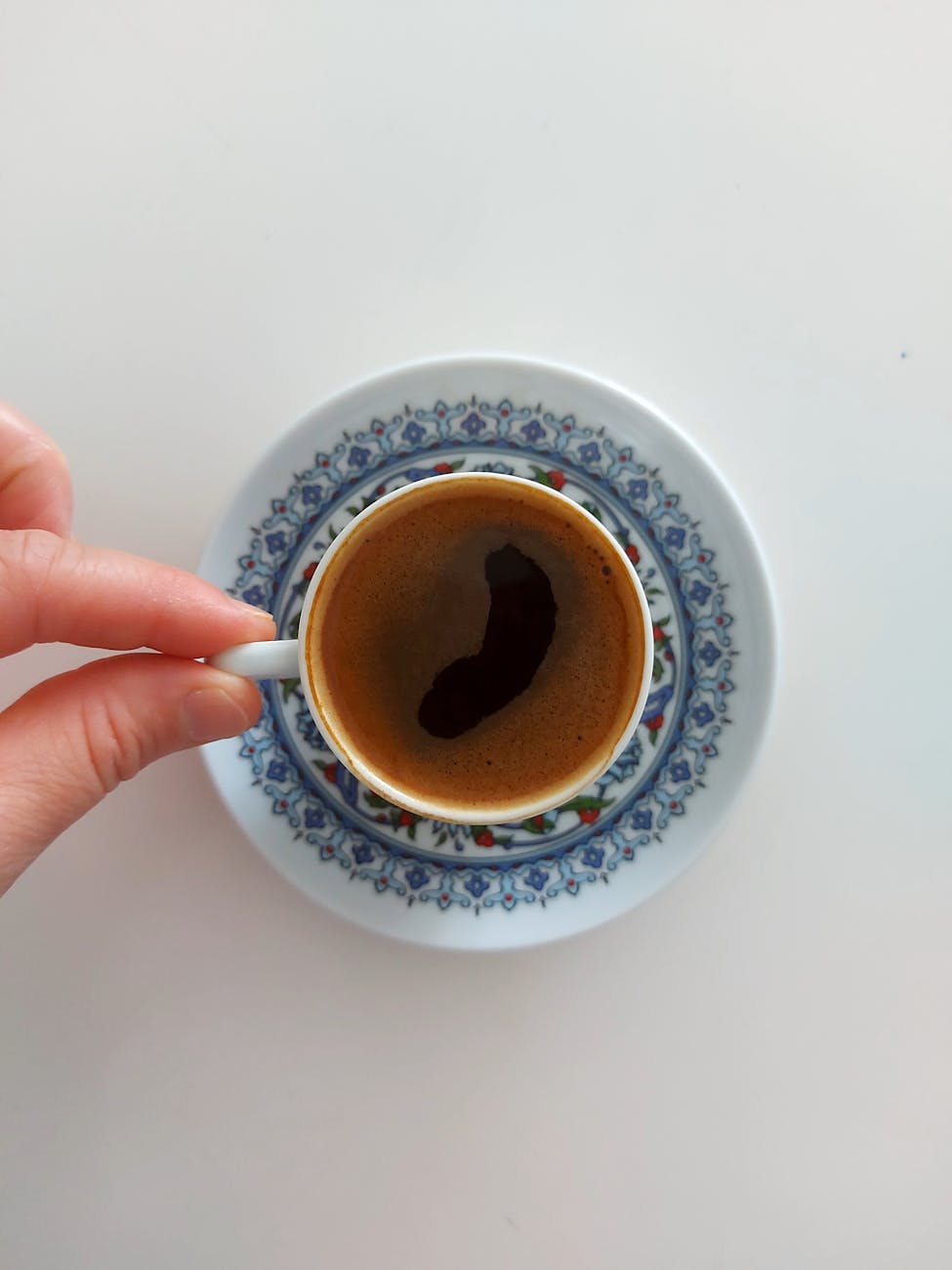
Why most standard coffee mugs ruin the texture of home espresso
You’ve done everything right. You invested in a quality home espresso machine, a precision grinder, and sourced freshly roasted beans. You’ve painstakingly dialed in your shot, achieving that perfect 25-30 second extraction with a beautiful, rich stream of liquid gold. You watch as a thick, hazelnut-colored crema settles on top. Then, you commit the final, tragic sin: you pour this masterpiece into your favorite oversized, novelty coffee mug. That seemingly innocent act is the single biggest reason your home espresso lacks the silky, viscous texture you enjoy at a specialty cafe. The mug isn’t just a vessel; it’s an active participant in the tasting experience, and a standard mug is, unfortunately, a saboteur. This article will explore exactly how the material, shape, and size of your everyday mug destroys the delicate magic of espresso.
The crema catastrophe: Why wide openings and cold porcelain destroy foam
The first and most visible victim of the standard coffee mug is the crema. Crema is not just a pretty foam; it’s a complex and delicate emulsion of coffee oils, microscopic coffee solids, and carbon dioxide gas, all trapped in a matrix of water. It contributes significantly to the espresso’s aroma, its initial taste, and most importantly, its mouthfeel and texture. When you pour a shot into a wide, cavernous mug, you create two immediate problems.
First, the large surface area forces the crema to spread out into a thin, fragile layer. The delicate bubbles that give it structure are stretched to their breaking point and collapse almost instantly. Instead of a thick, persistent cap, you’re left with a sad, dissipating film. Second, and perhaps more destructive, is thermal shock. Your standard mug is likely sitting at room temperature. Its thick, ceramic walls have a high thermal mass, meaning they act like a heat sink. When the small volume of hot espresso (around 93°C or 200°F) hits this large, cold surface, the temperature plummets violently. This shock causes the CO2 in the crema to rapidly contract and the fragile emulsion to break, destroying the texture on a molecular level.
The great cool-down: Material and thickness matter
The thermal shock that obliterates the crema also does a disservice to the liquid espresso itself. An espresso shot is a tiny beverage, typically only 1-2 ounces (30-60 ml). This small volume makes it incredibly susceptible to heat loss. The primary job of a proper espresso cup, or demitasse, is to preserve that temperature for as long as possible, allowing you to savor the shot. While both a standard mug and a demitasse are often made of porcelain, their design philosophy is completely different.
A standard mug is designed for a large volume of drip coffee. Its thickness is for durability, not insulation. A proper demitasse, however, has thick walls and a thick base specifically to insulate the small shot. The key is the volume-to-mass ratio. The small, dense cup can be easily preheated (often by resting it on the warming tray of the espresso machine) so that when the espresso is introduced, the cup gives heat to the coffee rather than stealing it. A cold, standard mug can drop an espresso’s temperature by 10-15 degrees Celsius in the first minute alone, turning a rich, sweet, and viscous shot into a sour, thin, and disappointing one.
| Cup type | Typical material | Thermal mass | Effect on espresso |
|---|---|---|---|
| Standard mug (12 oz) | Ceramic / Stoneware | High (relative to liquid) | Rapidly cools the shot, destroys crema |
| Demitasse cup (3 oz) | High-grade porcelain | Low (relative to liquid) | Maintains temperature when preheated |
| Double-walled glass | Borosilicate glass | Very low | Excellent insulation, keeps shot hot |
Shape and sensory perception: Why a tulip is better than a bucket
Beyond temperature and texture, the very shape of the cup plays a critical role in how we perceive flavor. Our sense of taste is inextricably linked to our sense of smell. Most standard mugs are essentially cylindrical buckets. Their wide, open tops allow the volatile aromatic compounds—the very essence of the coffee’s flavor profile—to escape and dissipate into the air before they ever reach your nose. You are literally losing flavor to the room.
In contrast, a classic demitasse cup is designed with sensory science in mind. It typically has an inward-curving, tulip-like shape that is wider at the bottom and narrower at the top. This design serves a specific purpose: it captures the rich aromas released from the crema and funnels them directly to your nose as you bring the cup to your lips for a sip. This concentration of aroma dramatically enhances the perceived sweetness, complexity, and overall flavor of the espresso. Furthermore, the thin, rounded lip of a quality demitasse provides a more pleasant and precise delivery of the liquid onto your palate, unlike the clunky, thick rim of a standard mug.
The dilution disaster: Size and milk ratios
Even if you primarily make milk-based drinks like lattes or cappuccinos, the standard mug is still your enemy. The art of a great milk drink is all about ratios. A traditional cappuccino, for example, is a harmonious balance of one part espresso, one part steamed milk, and one part microfoam, served in a 5-6 ounce (150-180 ml) cup. When you use a giant 12-ounce mug, you are tempted to “fill it up.”
This inevitably leads to an incorrect ratio, with far too much milk being added to the single shot of espresso. The result is no longer a cappuccino; it’s a weak, bland, milky beverage where the nuanced and complex flavors of the coffee are completely drowned out. By using properly sized cups for your chosen drink, you force yourself to adhere to the correct ratios, ensuring the espresso remains the star of the show and its flavor profile can cut through the sweetness of the milk. It’s the difference between a carefully crafted coffee beverage and a mug of hot milk with a hint of coffee flavor.
In conclusion, the humble coffee cup is far more than a simple container; it is a crucial piece of brewing equipment. Using a standard, oversized mug for your carefully prepared home espresso is a disservice to the coffee and to your own experience. The mug’s wide opening, cold thermal mass, and improper shape work in concert to destroy the delicate crema, sap the shot of its vital heat, and rob you of its beautiful aromas. For milk drinks, it encourages the dilution of flavor by skewing coffee-to-milk ratios. Investing in a small set of proper porcelain demitasse cups—and correctly sized cappuccino or latte cups—is one of the easiest and most impactful upgrades you can make to your home coffee bar. It ensures that the texture, temperature, and taste you worked so hard to achieve in the extraction process actually make it to your palate.

 No products in the cart.