

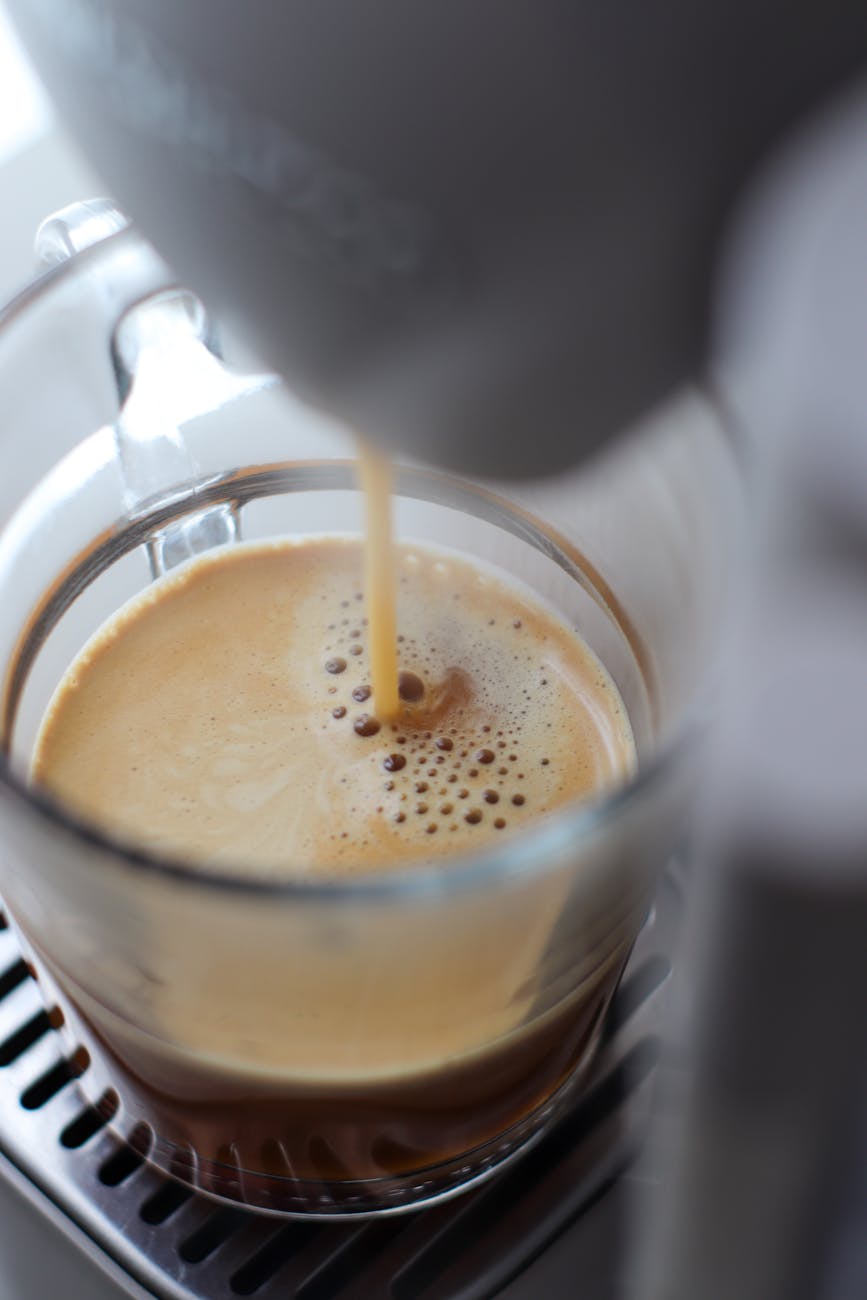
A perfectly pulled shot of espresso is a multi-sensory experience. It begins with the rich aroma, followed by the sight of a thick, hazelnut-colored crema, and culminates in a complex and satisfying taste. However, all that hard work can be undone in seconds by one simple mistake: pouring your pristine espresso into a cold ceramic cup. A cold cup acts as a heat sink, rapidly dropping the espresso’s temperature, which can shock the flavor and demolish that beautiful crema you worked so hard to create. Fortunately, you don’t need a fancy, dedicated cup warmer to solve this problem. This article will guide you through several simple and effective methods to properly prewarm your espresso cups using tools you already have in your kitchen.
Why prewarming your espresso cup is a game-changer
Understanding the science behind why a warm cup matters can transform your coffee routine from a simple habit into a craft. An espresso shot is a very small volume of liquid, typically just one to two ounces (30-60 ml). When this small amount of hot liquid makes contact with a cold, dense ceramic cup, a rapid heat transfer occurs. This phenomenon, known as thermal shock, has two major negative effects on your espresso.
First, it impacts the flavor profile. The ideal serving temperature for espresso allows its complex flavors—from sweet and caramel notes to fruity or chocolatey undertones—to shine. As the temperature plummets, the perceived acidity and bitterness can become more pronounced, masking the delicate, nuanced flavors the coffee bean has to offer. Your rich, balanced shot can suddenly taste harsh and one-dimensional.
Second, it destroys the crema. The crema is a delicate emulsion of coffee oils, proteins, and microscopic air bubbles. It’s a hallmark of a well-extracted espresso and contributes significantly to its aroma and mouthfeel. The shock of a cold surface causes these tiny bubbles to collapse and the oils to congeal, leading the crema to dissipate almost instantly. Prewarming the cup ensures a gentle environment, preserving the crema and the full sensory experience.
The classic hot water method
This is arguably the most common, straightforward, and accessible method for prewarming your cups. It requires no special equipment and integrates seamlessly into the espresso-making workflow. The principle is simple: use hot water to transfer heat to the cup before the espresso does.
Here’s how to do it effectively:
- Step 1: Heat your water. You can use an electric kettle, a pot on the stove, or even the hot water dispenser on your espresso machine if it has one. Bring the water to a near-boil.
- Step 2: Fill the cup. Carefully pour the hot water into the espresso cup you intend to use, filling it to the brim. If you are making two shots, prepare two cups.
- Step 3: Let it rest. Allow the cup to sit with the hot water for at least 30 to 60 seconds. This is the perfect amount of time to grind your beans, tamp your portafilter, and lock it into the group head. The longer the water sits, the more heat the ceramic will absorb.
- Step 4: Empty and dry. Just before you start your extraction, pour the water out. Give the inside of the cup a quick wipe with a clean, dry cloth to remove any residual water droplets that could dilute your shot. Your cup is now perfectly heated and ready for the espresso.
This method is foolproof and ensures the entire cup, not just the bottom, is thoroughly warmed, creating a stable thermal environment for your coffee.
Leveraging your espresso machine for heat
Your espresso machine is a powerhouse of heat, and you can use it directly to warm your cups. This approach is efficient as it uses an appliance that is already running, centralizing your workflow around the machine.
One popular technique is using the steam wand. This is the fastest method, but it requires a bit of caution. Hold the cup with a towel (as it will get hot very quickly) and insert the steam wand. Release a short burst of hot steam for a few seconds, moving it around to heat the inside of the cup. While incredibly fast, this can leave condensation, so a quick wipe-down is essential.
A safer and more common machine-based method is to use the passive heat from the boiler. Most home espresso machines have a flat top surface, often with vents, located directly above the internal boiler. This area is designed to double as a passive cup warmer. When you turn on your machine to preheat it, simply place your cups upside down on this top tray. Over the 15-30 minutes your machine takes to heat up, the cups will slowly and gently absorb the radiant heat, making them perfectly warm by the time you’re ready to pull your shot. This “set it and forget it” method is perfect for incorporating into your morning routine.
Comparing the different warming techniques
Choosing the right method depends on your routine, your equipment, and how much time you have. Each technique has its own advantages and disadvantages. For instance, the hot water method is universal, while using the machine’s passive warmer requires planning ahead. The steam wand is for those in a hurry, but it demands your full attention. To help you decide which method best suits your needs, here is a simple breakdown.
| Method | Speed | Convenience | Notes |
|---|---|---|---|
| Boiling Water (Kettle) | Medium (1-2 minutes) | High | Very effective and thorough. Uses a separate appliance. |
| Machine Hot Water Tap | Fast (30-60 seconds) | Very High | Integrates perfectly into the espresso workflow. |
| Machine Steam Wand | Very Fast (5-10 seconds) | Medium | Requires caution due to high heat. Leaves condensation. |
| Passive Machine Top | Slow (15+ minutes) | Very High | Effortless. Requires planning as it works while the machine preheats. |
| Microwave | Fast (30-45 seconds) | High | Must fill the cup with water. Ensure the cup is microwave-safe. |
By considering these factors, you can find the perfect technique to fit seamlessly into your coffee-making process and ensure you never let a cold cup ruin a great shot again.
In conclusion, prewarming your espresso cup is a small, simple step that offers a massive return on investment for your coffee experience. It is one of the key details that separates a mediocre cup from a truly exceptional one. We have explored several practical methods to achieve this without a dedicated appliance, proving that anyone can elevate their home barista game. From the classic and reliable hot water bath to leveraging the built-in power of your espresso machine’s steam wand or passive heating tray, there is a technique to fit every workflow and schedule. By taking a minute to banish the chill from your cup, you are actively protecting the delicate flavor profile and the rich, persistent crema of your espresso. We encourage you to experiment with these methods and discover which one best suits you. This attention to detail will undoubtedly lead to a more delicious and satisfying coffee ritual.
 No products in the cart.