

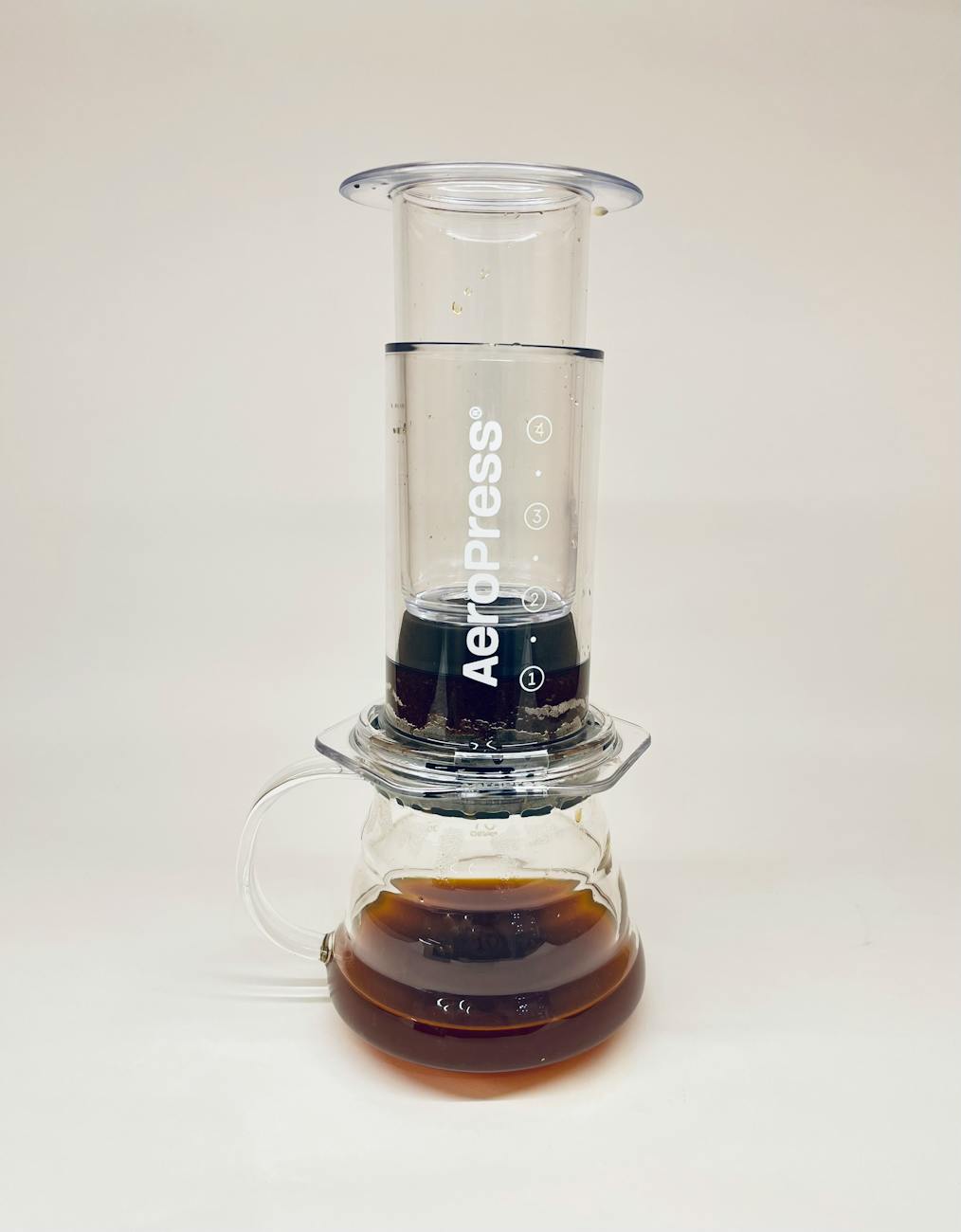
The Aeropress is a titan in the world of manual coffee brewing, celebrated for its simplicity, portability, and the consistently delicious coffee it produces. At the heart of this ingenious device is a humble component: the rubber plunger seal. This seal is the workhorse, creating the pressure needed to extract rich flavors from your coffee grounds. However, with daily use, this essential part can become compressed, sticky, or worn out, leading to a weak press and a subpar brew. Fortunately, with a little bit of care, you can dramatically extend its life. This guide will walk you through everything you need to know about how to clean and maintain your Aeropress seal, ensuring it performs flawlessly for years to come.
Understanding your seal and common problems
Before diving into cleaning techniques, it’s helpful to understand what you’re working with. The Aeropress seal is typically made from a durable, food-safe silicone or thermoplastic elastomer. Its primary job is to create an airtight seal against the walls of the brewing chamber, allowing you to build pressure as you plunge. Over time, a few common issues can arise that compromise its performance.
- Shrinking and compression: This is the most frequent issue. Constant pressure and heat can cause the seal to lose its original shape and size, resulting in a loose fit where it no longer grips the chamber walls tightly.
- Stickiness: A buildup of coffee oils and microscopic grounds can create a tacky, sticky film on the seal’s surface. This not only feels unpleasant but can also make plunging difficult and harbor old, stale flavors.
- Odor absorption: Being a porous material, the seal can absorb the smells of old coffee, which can negatively impact the taste of your fresh brew.
- Cracking: While less common due to the material’s durability, eventual aging and improper handling can lead to cracks or tears, which completely break the airtight seal.
Recognizing these issues early is the first step toward effective maintenance. A well-maintained seal isn’t just about cleanliness; it’s fundamental to the function of the Aeropress itself.
The fundamentals: Routine cleaning habits
The secret to a long-lasting Aeropress seal lies in consistent, simple cleaning habits. The best maintenance is preventative, and integrating these steps into your daily and weekly routine will prevent most problems from ever starting.
Your first line of defense is the brilliant design of the Aeropress itself. Immediately after brewing, unscrew the filter cap and push the plunger all the way through the chamber. This action ejects the “puck” of used coffee grounds and, in the process, wipes the chamber walls clean. The seal acts like a squeegee, removing almost all residual coffee. After ejecting the puck, simply give the seal a quick, thorough rinse under warm running water. This single daily step is the most important thing you can do for its longevity.
Once a week, or whenever you notice it feeling a bit grimy, it’s time for a deeper clean. Disassemble the plunger from the brew chamber. Using a soft cloth or sponge and a small amount of mild dish soap, gently wash the seal. Pay attention to the grooves where coffee oils can accumulate. Avoid using abrasive scrubbers like steel wool, as they can damage the surface. Rinse it completely to ensure no soap residue is left behind, as this can taint the flavor of your coffee. Let it air dry fully before storing it.
Advanced maintenance and troubleshooting tricks
Even with regular cleaning, you might eventually face a stubborn issue like a compressed or sticky seal. Don’t worry, these problems are often easily fixable without needing to buy a replacement right away.
If your seal feels loose and no longer creates good pressure, it has likely shrunk from compression. The fix is surprisingly simple: a hot water bath. Place the plunger, seal-end down, into a mug and fill it with freshly boiled water until the rubber seal is fully submerged. Let it sit for 5-10 minutes. The heat will cause the material to expand, often returning it to its original size and shape. Carefully remove it from the hot water and let it cool before using. This trick can revive a seemingly worn-out seal multiple times.
For a seal that has become sticky with coffee oil residue, a simple soap wash might not be enough. In this case, a soak in a solution of equal parts white vinegar and water for an hour or two can work wonders. The acidity of the vinegar is excellent at breaking down stubborn oils. After soaking, give it a gentle scrub and a very thorough rinse to remove any lingering vinegar taste. For extremely tough buildup, a dedicated coffee equipment cleaner can also be used.
Finally, proper storage is crucial. Never store your Aeropress with the plunger fully inserted inside the chamber. This keeps the seal in a constant state of compression, which is the primary cause of shrinking. Instead, either store the two parts separately or push the plunger completely through the chamber so the seal rests outside, free from any pressure.
Knowing when it’s time for a replacement
Proper care can make an Aeropress seal last for many years, but it isn’t invincible. There comes a point when maintenance is no longer enough and a replacement is necessary. Thankfully, official replacements are inexpensive and easy to find, instantly restoring your brewer’s performance.
Here are the clear signs that it’s time to retire your old seal:
- Visible damage: If you see any cracks, deep nicks, or tears in the rubber, it’s time for a new one. A compromised surface cannot create a proper seal.
- Permanent compression: If the hot water bath trick no longer works and the seal remains too loose to create pressure, it has reached the end of its elastic life.
- Brittleness: If the seal feels hard and inflexible rather than pliable, it has degraded and is prone to cracking.
- Persistent odors or tastes: When a deep clean with vinegar or a specialized cleaner can’t remove a foul smell or taste, the seal has absorbed too many oils and should be replaced.
This simple table can help you decide on the best course of action:
| Issue | Corrective Action | When to Replace |
|---|---|---|
| Loose fit / Shrunk | Soak in a mug of hot water for 5-10 minutes. | If the hot water trick no longer revives the seal. |
| Sticky or oily film | Soak in a 1:1 vinegar and water solution. | If stickiness persists after multiple deep cleans. |
| Lingering bad smell | Deep clean with soap, then soak in a vinegar solution. | If the odor cannot be removed. |
| Visible cracks or tears | None. | Immediately. The seal is no longer functional. |
In conclusion, the Aeropress plunger seal is a small but mighty component that deserves a little attention. Its longevity is not a matter of luck but a direct result of good habits. By embracing a routine of daily rinsing and weekly washing, you can prevent the buildup of coffee oils that lead to most issues. Storing your Aeropress correctly by not leaving the seal compressed is just as crucial. When problems like shrinking or stickiness do arise, you now have the knowledge to troubleshoot them effectively with simple home remedies. By following these guidelines, you ensure that your trusty Aeropress will continue to produce exceptional coffee, cup after cup, making this small maintenance effort a worthwhile investment in your daily coffee ritual.


 No products in the cart.