

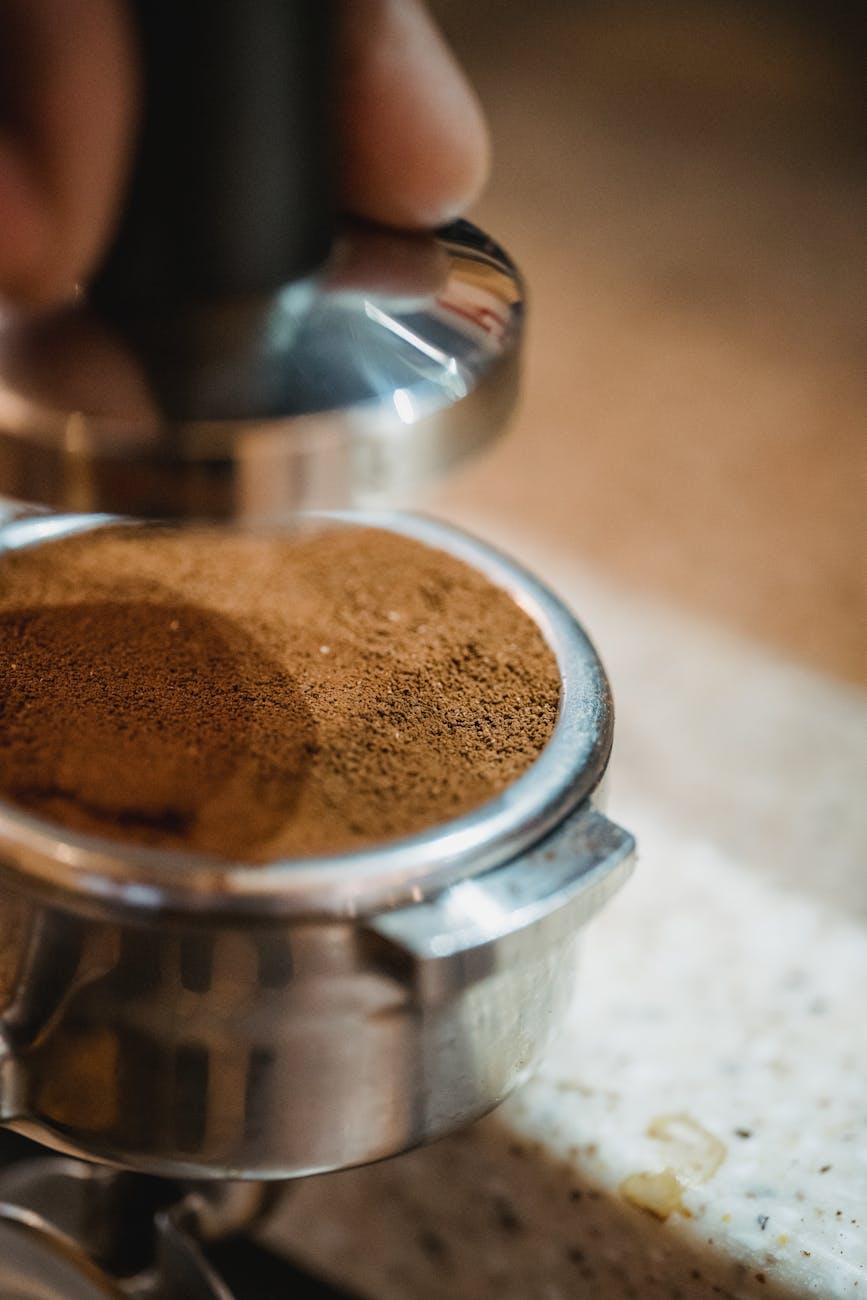
For many coffee lovers, the quest for the perfect espresso shot is a journey of endless tweaking. We obsess over the origin of our beans, the precision of our grinder, and the stability of our machine’s temperature. Yet, a crucial component often sits unexamined right in the heart of our portafilter: the filter basket. It’s more than just a metal cup with holes; it’s a sophisticated tool whose specific geometry—its shape, depth, and hole pattern—profoundly influences the water’s path through the coffee grounds. This article will delve into the science and sensory impact of basket geometry, exploring how this frequently overlooked variable can be the key to unlocking new dimensions of flavor and texture in your espresso.
The foundation of flavor: Even extraction
Before we can understand why a basket’s shape matters, we must first grasp the core principle of espresso brewing: even extraction. When you pull a shot, you are forcing hot, pressurized water through a compacted puck of ground coffee. The goal is to dissolve and wash away all the desirable flavor compounds—sugars for sweetness, acids for brightness, and oils for body—at an equal rate from every single coffee particle.
When extraction is uneven, you get a flawed and unbalanced cup. This often happens through a process called channeling, where water finds paths of least resistance and gushes through specific parts of the coffee puck while neglecting others. The areas with excessive flow become over-extracted, contributing bitter and astringent flavors. Meanwhile, the neglected areas are under-extracted, lending sour and weak notes. The final result is a confusing, muddled shot that fails to represent the coffee’s true potential. Every element of basket geometry is designed, for better or worse, to either promote or hinder this critical goal of even water flow.
Anatomy of a basket: Shape, depth, and holes
An espresso basket might seem simple, but its design characteristics are highly intentional. The three primary geometric factors that influence extraction are its wall shape, its depth, and the perforation pattern at its base.
- Wall shape: Tapered vs. straight
The most significant distinction in modern baskets is between the traditional tapered (or conical) shape and the now-popular straight-walled design. A tapered basket is narrower at the bottom than at the top. This can lead to a less uniform coffee density, as the lower layers are more compressed. Water can sometimes flow faster down the less dense sides, leading to a higher risk of side-channeling. In contrast, a straight-walled basket promotes a more uniform puck density from top to bottom. This encourages water to descend more evenly through the entire coffee bed, increasing the potential for a higher, more uniform extraction. - Depth and dose
Baskets are designed to hold a specific dose of coffee, such as 15g, 18g, or 22g. The basket’s depth is directly related to this intended dose. Using the correct amount of coffee ensures there is adequate headspace between the top of the coffee puck and the shower screen, which helps with even water distribution. Over or under-dosing a basket can compromise puck integrity and lead to channeling. - Perforation pattern: The exit gates
The number, size, and layout of the holes at the bottom of the basket dictate the overall flow rate. Stock baskets that come with most machines often have irregularly punched holes, which can create uneven resistance. Precision baskets (from brands like VST, IMS, or Pullman) feature laser-cut, perfectly uniform holes. This precision creates a more consistent resistance across the entire base of the puck, drastically reducing the likelihood of channeling and improving shot-to-shot consistency. The total open area of the holes determines how quickly water can exit; a higher total area means a faster potential flow, requiring a finer grind to provide the necessary resistance.
Connecting geometry to the flavor in your cup
Now we can connect the physical attributes of the basket to the sensory experience. Different geometries don’t just change the numbers on a refractometer; they actively shape the balance of sweetness, acidity, and body in the final shot.
A straight-walled, high-flow precision basket is engineered to maximize extraction yield. By allowing you to grind finer without choking the machine, it increases the coffee’s available surface area. This is ideal for light roast specialty coffees, as it helps unlock their delicate floral notes, vibrant acidity, and complex sweetness. The resulting shots are often described as having higher clarity and a more transparent flavor profile.
Conversely, a traditional tapered basket or one with a lower-flow hole pattern might be more suitable for medium to dark roasts. The slightly less aggressive extraction can tame unwanted bitterness or excessive intensity, instead highlighting rich chocolate and caramel notes while producing a classic, heavy-bodied shot with thick crema. These baskets can be more forgiving of slight imperfections in puck preparation, but they may not reveal the same level of nuance as their precision counterparts.
| Basket type | Key features | Typical flavor profile | Best for |
|---|---|---|---|
| Stock tapered | Conical shape, inconsistent holes | Heavy body, muted acidity, classic “espresso” taste, lower clarity | Traditional medium-dark roasts, forgiving for beginners |
| Precision straight-walled (high flow) | Straight sides, many uniform holes | High sweetness and clarity, bright acidity, complex aromatics | Modern light roasts, single origins, flavor exploration |
| Precision straight-walled (low flow) | Straight sides, fewer/smaller holes | Balanced sweetness, round body, tamed acidity, good texture | Espresso blends, medium roasts, achieving balance |
Choosing the right tool for the job
Ultimately, there is no single “best” espresso basket. The ideal choice depends entirely on your coffee and your flavor goals. If you are brewing a delicate, floral Ethiopian coffee and want to taste every nuance, a high-flow, straight-walled basket will be your greatest asset. If you are crafting a comfort-food shot from a classic Italian blend and want a rich, syrupy body, a more traditional basket might serve you better.
However, one universal recommendation stands out: upgrading from a generic stock basket to any type of precision basket is one of the most cost-effective and impactful improvements you can make to your espresso setup. The leap in consistency and the reduction in channeling will elevate every single shot you pull, allowing your technique and your coffee to shine. Don’t forget to pair your new basket with a correctly sized tamper; a snug fit is essential for ensuring a level and evenly compacted puck, setting the stage for a beautiful extraction.
In conclusion, the filter basket is far more than a simple container. It is an active participant in the brewing process, with its geometry dictating the very dynamics of extraction. We’ve seen how the difference between a tapered and a straight-walled shape influences puck density and how the precision of its hole pattern governs flow and consistency. These physical factors directly translate into the sensory experience, shaping a shot’s acidity, sweetness, body, and overall clarity. By moving beyond the default and starting to view the basket as a variable to be controlled, baristas can unlock a new level of command over their craft, purposefully tailoring their equipment to bring out the absolute best in every coffee they brew.

 No products in the cart.