

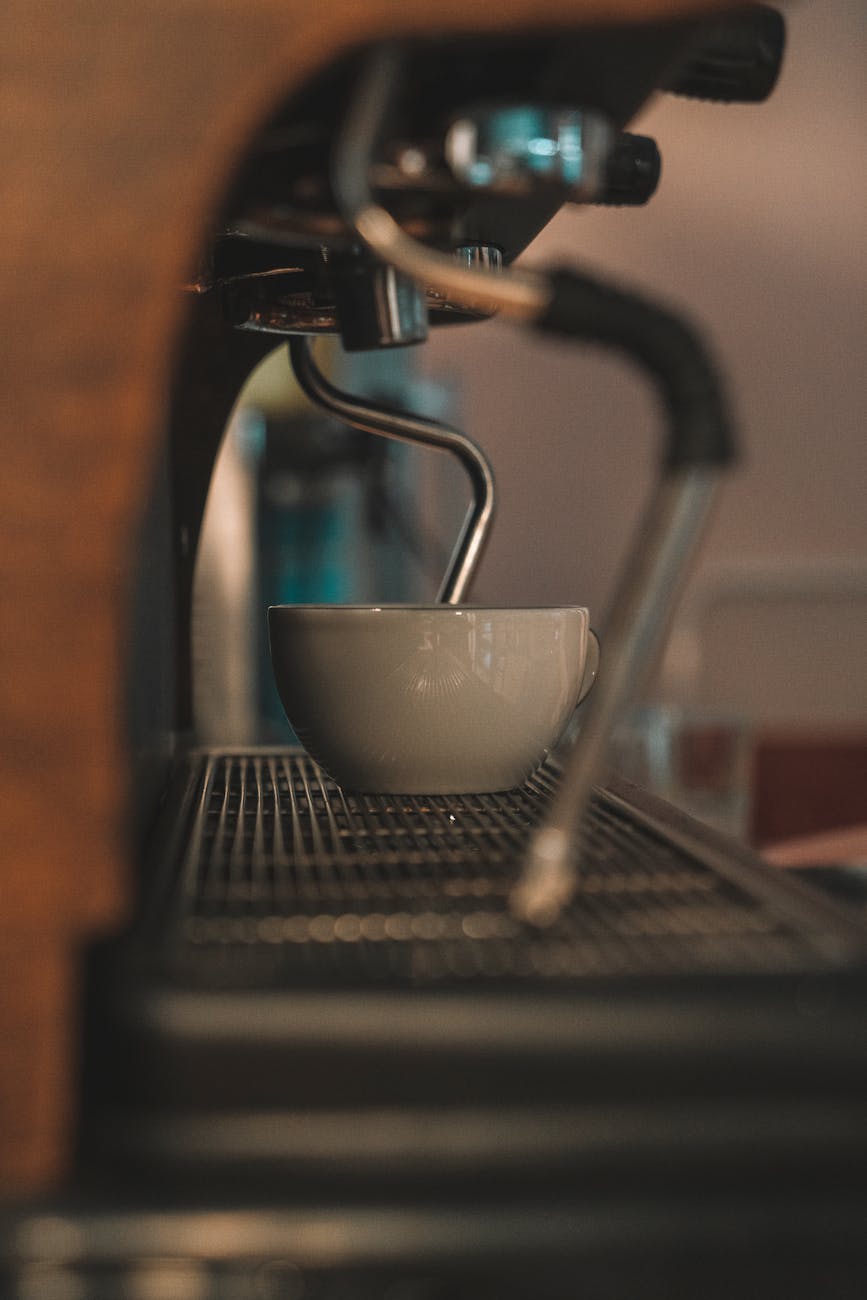
Mastering the Gaggia Classic: How to manage thermal drift for back-to-back shots
The Gaggia Classic is a legend in the world of home espresso. Its robust build, simple mechanics, and fantastic potential have made it a go-to choice for aspiring baristas for decades. However, its greatest strength, its simplicity, is also the source of its most significant challenge: temperature instability. This phenomenon, known as thermal drift, becomes especially apparent when you’re trying to pull multiple shots in quick succession, perhaps when making drinks for friends or family. The first shot might be perfect, but the second can be wildly different. This article is your guide to understanding and taming the Gaggia Classic’s thermal behavior, ensuring you can pull consistent, delicious espresso shots back-to-back, every single time.
Understanding the cause of thermal drift
To solve a problem, you first need to understand its source. The Gaggia Classic’s temperature issues stem from its design as a single boiler machine with a simple bimetallic thermostat. The small aluminum boiler heats up quickly, but the thermostat that controls it operates in a wide temperature band. It works like a basic thermostat in a home: it tells the heating element to turn on when the water temperature drops below a certain point and turn off once it reaches an upper threshold. The brew-ready light on the front of the machine simply indicates whether the heating element is currently on or off.
This creates a constant cycle of heating and cooling. The water temperature can swing by as much as 10-15°C (20-30°F) during this cycle. When you pull a shot, you are essentially catching the water temperature at a random point in this wave, leading to inconsistent extraction. The problem is compounded when you pull a second shot. The first extraction introduces cold water into the boiler, and the group head is now significantly hotter than it was for the first shot. Without a repeatable method, your second shot is a complete thermal lottery.
The basics of temperature surfing
The primary technique for managing the Gaggia Classic’s temperature on a stock machine is called temperature surfing. The goal is to initiate the brew cycle at the exact same point in the heating cycle for every shot, thereby ensuring your brew water is always at a consistent temperature. Since the thermostat’s behavior is predictable, we can use the brew-ready light as our guide.
The most stable and repeatable moment in the cycle is shortly after the heating element has turned off. At this point, the water has reached its peak temperature and will begin a slow, predictable decline. By starting your shot a fixed number of seconds after the light goes out, you can achieve remarkable consistency.
- Step 1: Turn on the machine and let it warm up for at least 15-20 minutes with the portafilter locked in.
- Step 2: Run a short flush of water through the group head until the brew light comes on, indicating the heating cycle has started.
- Step 3: Wait for the brew light to turn off. As soon as it does, start a timer.
- Step 4: Wait a predetermined amount of time (a common starting point is 10-15 seconds) and then begin pulling your shot.
This simple routine forms the foundation of all temperature management on the Gaggia Classic. You must master this for single shots before attempting to pull consistent back-to-back shots.
A repeatable workflow for back-to-back shots
Now, let’s apply this principle to making two or more drinks. The key is not to rush, but to follow a deliberate, repeatable workflow that resets the machine’s thermal state before each shot. Trying to pull a second shot immediately after the first without resetting the cycle will result in a brew temperature that is far too high.
Here is a proven workflow for back-to-back shot consistency:
- Pull your first shot using your standard temperature surfing technique described above.
- As soon as the first shot is complete, remove the portafilter. Knock out the used puck and prepare your basket for the second shot (dose, distribute, and tamp).
- With the freshly prepped portafilter ready, run a brief “rebound flush” of water from the group head for about 3-5 seconds. The goal is to introduce just enough cool water to cause the thermostat to kick the heating element back on. You should see the brew light turn on.
- Immediately lock in your second portafilter. This ensures it gets heated by the group head while the boiler comes up to temperature.
- Now, simply repeat the process from the previous chapter. Wait for the brew light to turn off, start your timer, and pull the second shot using the exact same waiting period you used for the first.
By forcing a new heating cycle between each shot, you are creating an identical starting point every time. This simple “flush and surf” routine transforms back-to-back shots from a game of chance into a reliable process.
The role of flushing and upgrades
Understanding different types of flushing is crucial for mastering your Gaggia. Not every flush has the same purpose, and using them correctly is key to your workflow. Think of them as tools to manipulate the machine’s temperature to your will.
This simple table breaks down the main types of flushes:
| Flush type | When to use | Purpose | Typical duration |
|---|---|---|---|
| Warming flush | Before the first shot of the day | To heat the portafilter and group head to a stable temperature. | 5-10 seconds |
| Cleaning flush | Immediately after any shot | To rinse coffee oils and grounds from the shower screen. | 1-2 seconds |
| Rebound flush | Between back-to-back shots | To lower boiler temp and trigger a new heating cycle for consistency. | 3-5 seconds |
For those who want to eliminate this process entirely, the ultimate solution is installing a Proportional-Integral-Derivative (PID) controller. A PID is a small digital thermostat that replaces the machine’s simple mechanical one. It actively monitors the boiler temperature and uses small pulses of power to hold it steady, typically within a single degree of your set target. With a PID installed, thermal drift is completely eliminated. The need for temperature surfing and rebound flushes vanishes, making back-to-back shots as simple as prepping the puck and pulling the shot.
Conclusion
The Gaggia Classic is a capable and rewarding espresso machine, but it demands that the user understand its behavior. Its single boiler and simple thermostat are the root cause of the thermal drift that can frustrate so many owners, especially when trying to serve multiple people. However, this challenge can be overcome with knowledge and technique. By mastering the art of temperature surfing for a single shot, you build the foundation. From there, adopting a repeatable workflow—pulling a shot, prepping the next, performing a rebound flush, and then repeating your surf routine—allows you to pull remarkably consistent back-to-back shots. This manual approach is a rite of passage for many home baristas, and while a PID controller offers an automated solution, mastering the stock machine is a skill that will deepen your understanding of espresso extraction immeasurably.
 No products in the cart.