

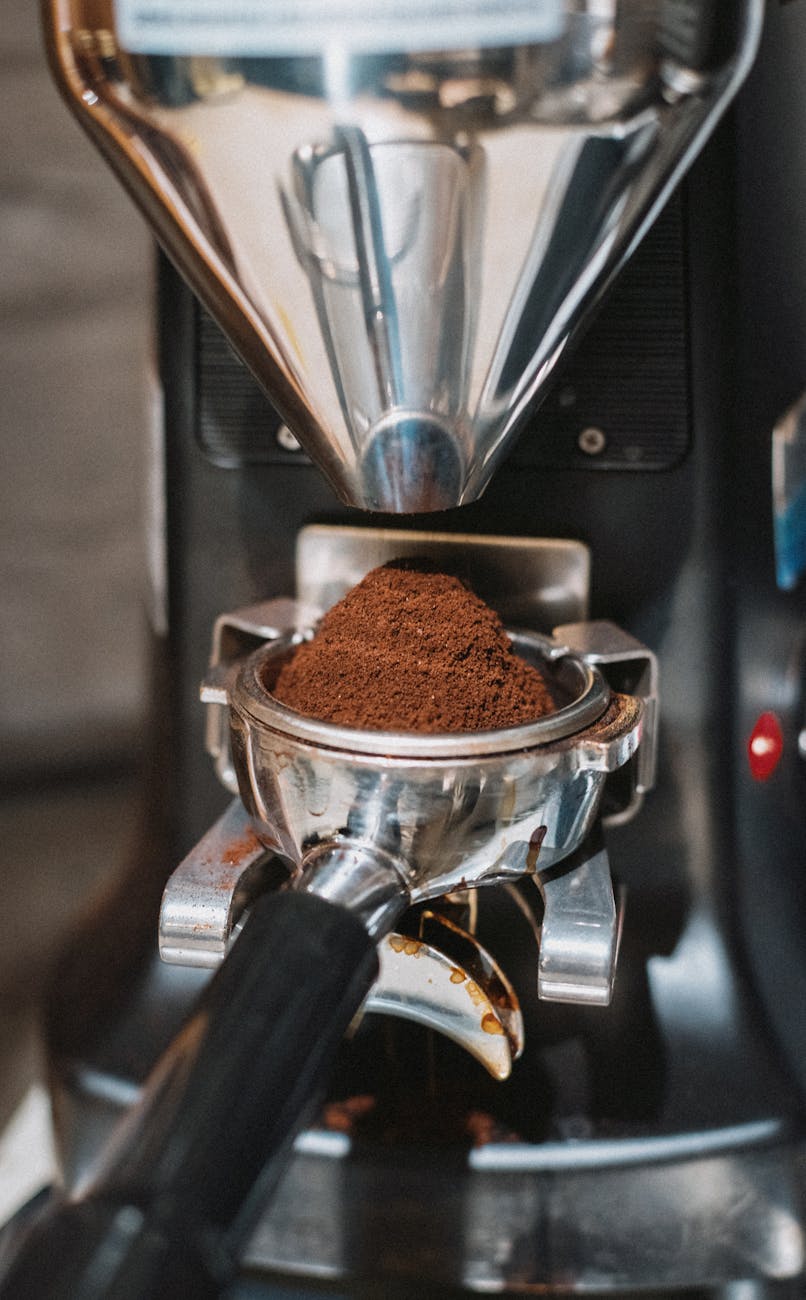
Adjusting your grinder for the Gaggia Classic: Finding the sweet spot
The Gaggia Classic is a legendary entry point into the world of authentic home espresso. Its robust build and powerful capabilities allow enthusiasts to pull shots that rival local cafes. However, many new owners quickly discover that the machine itself is only half of the equation. The other, arguably more critical, half is the coffee grinder. Without a properly adjusted grinder, even the best espresso machine will produce disappointing results. This guide will walk you through the essential process of “dialing in” your grinder specifically for the Gaggia Classic. We will explore the fundamentals of extraction, provide a clear starting point, and detail the step-by-step adjustments needed to find that elusive “sweet spot” for a perfectly balanced and delicious espresso shot.
Why grinder calibration is crucial for your Gaggia
Before touching the dial on your grinder, it’s vital to understand why this process is so important. Espresso is a method of extraction where hot, pressurized water is forced through a tightly packed puck of finely ground coffee. The size of these coffee grounds dictates the resistance the water encounters. If the grind is too coarse, the water will rush through too quickly, resulting in a weak, sour, and watery shot. This is called under-extraction. Conversely, if the grind is too fine, the water will struggle to pass through, leading to a long, slow, and bitter shot. This is known as over-extraction.
The Gaggia Classic, especially when used with its standard non-pressurized basket, is highly sensitive to grind size. Unlike pressurized systems that create artificial pressure to compensate for an imperfect grind, the Gaggia Classic relies on the coffee puck itself to provide the necessary resistance. This means the grinder’s role is elevated from simply grinding beans to precisely controlling the flow rate and, ultimately, the flavor of your espresso. Every new bag of coffee, changes in humidity, and even the age of the beans will require slight adjustments to maintain that perfect balance.
The starting point: A baseline recipe
Dialing in can feel daunting, so let’s establish a clear and repeatable starting point. This recipe provides a set of variables to aim for, giving you a target to measure your results against. For this process, a digital scale with 0.1-gram accuracy and a timer are non-negotiable tools. They remove guesswork and ensure consistency.
Our baseline recipe, a common standard in specialty coffee, is:
- Dose: 18 grams of whole bean coffee.
- Yield: 36 grams of liquid espresso in the cup. This is a 1:2 brew ratio.
- Time: 25 to 30 seconds, measured from the moment you press the brew button.
Start by setting your grinder to a setting you believe is for espresso. If it has a designated range, begin in the middle of it. Weigh out exactly 18 grams of beans, grind them, and prepare your puck using good tamping technique. Place your cup on the scale, tare it to zero, and start your timer as you begin brewing. Stop the shot when the scale reads 36 grams. Now, look at your timer. This first shot is purely for data. It’s unlikely to be perfect, but it tells you which direction you need to go.
The dialing in process: Making small adjustments
With the data from your first shot, you can now begin making targeted adjustments. The golden rule is to only change one variable at a time. Since our dose (18g) and yield (36g) are fixed, the only thing we will adjust is the grind size.
The logic is simple:
- Shot too fast? If your 36g shot took less than 25 seconds, your grind is too coarse. The water is flowing through the coffee puck with too little resistance. You need to adjust your grinder to a finer setting. Make a very small adjustment, as even a tiny change can have a significant impact.
- Shot too slow? If your 36g shot took more than 30 seconds or even choked the machine (dripping very slowly or not at all), your grind is too fine. The coffee puck is too dense, creating too much resistance. You need to adjust your grinder to a coarser setting.
After each adjustment, it’s crucial to purge a small amount of coffee from the grinder. This ensures that you are grinding with the new setting and not a mix of the old and new. Grind about 3-5 grams of beans and discard them before weighing out your next 18g dose. Repeat the process: pull a shot aiming for 36g out, and check the time. Continue making these small, iterative adjustments until you consistently hit your target of 25-30 seconds.
Reading the signs: Taste is the final judge
While numbers like time and yield are excellent guides, your palate is the ultimate arbiter of a great shot. Once you are consistently pulling shots within the 25-30 second window, it’s time to focus on flavor. A shot can be technically “correct” according to the numbers but still not taste its best. Use taste to make final, micro-adjustments.
Pay attention to the sensory details. A bottomless portafilter can provide great visual cues, showing you if the shot is channeling or flowing evenly in a single, syrupy stream. The crema should be a persistent, rich, reddish-brown color. Most importantly, how does it taste? Use this simple table as a guide to troubleshoot your flavor.
| Problem (Taste/Visual) | Likely Cause | Solution |
|---|---|---|
| Tastes sour, acidic, thin body | Under-extracted (Shot too fast) | Grind finer to increase extraction time. |
| Tastes bitter, harsh, burnt, dry | Over-extracted (Shot too slow) | Grind coarser to decrease extraction time. |
| Blond, bubbly crema that dissipates quickly | Under-extracted | Grind finer. |
| Very dark, splotchy crema | Over-extracted | Grind coarser. |
| Tastes balanced, sweet, with clear flavors | The Sweet Spot! | Enjoy your coffee and take note of the setting. |
Remember, this process is about finding a balance. You might find that your favorite coffee tastes best at 27 seconds, while another shines at 32 seconds. Use the recipe as a starting framework, but let flavor be your final guide.
Conclusion: The journey to perfect espresso
Mastering your espresso grinder is the single most important skill you can develop to get the most out of your Gaggia Classic. It transforms the machine from a simple appliance into a tool for crafting exceptional coffee. By understanding the core principles of extraction, you can move beyond guesswork and into a methodical process of refinement. Remember the key steps: establish a baseline recipe with a scale and timer, make small, singular adjustments to your grind size based on shot time, and always let taste be your final judge. Dialing in is not a one-time task; it’s a continuous process that connects you more deeply to your coffee. With patience and practice, you will unlock the full potential of your Gaggia Classic, and the reward will be in every single cup.


 No products in the cart.