

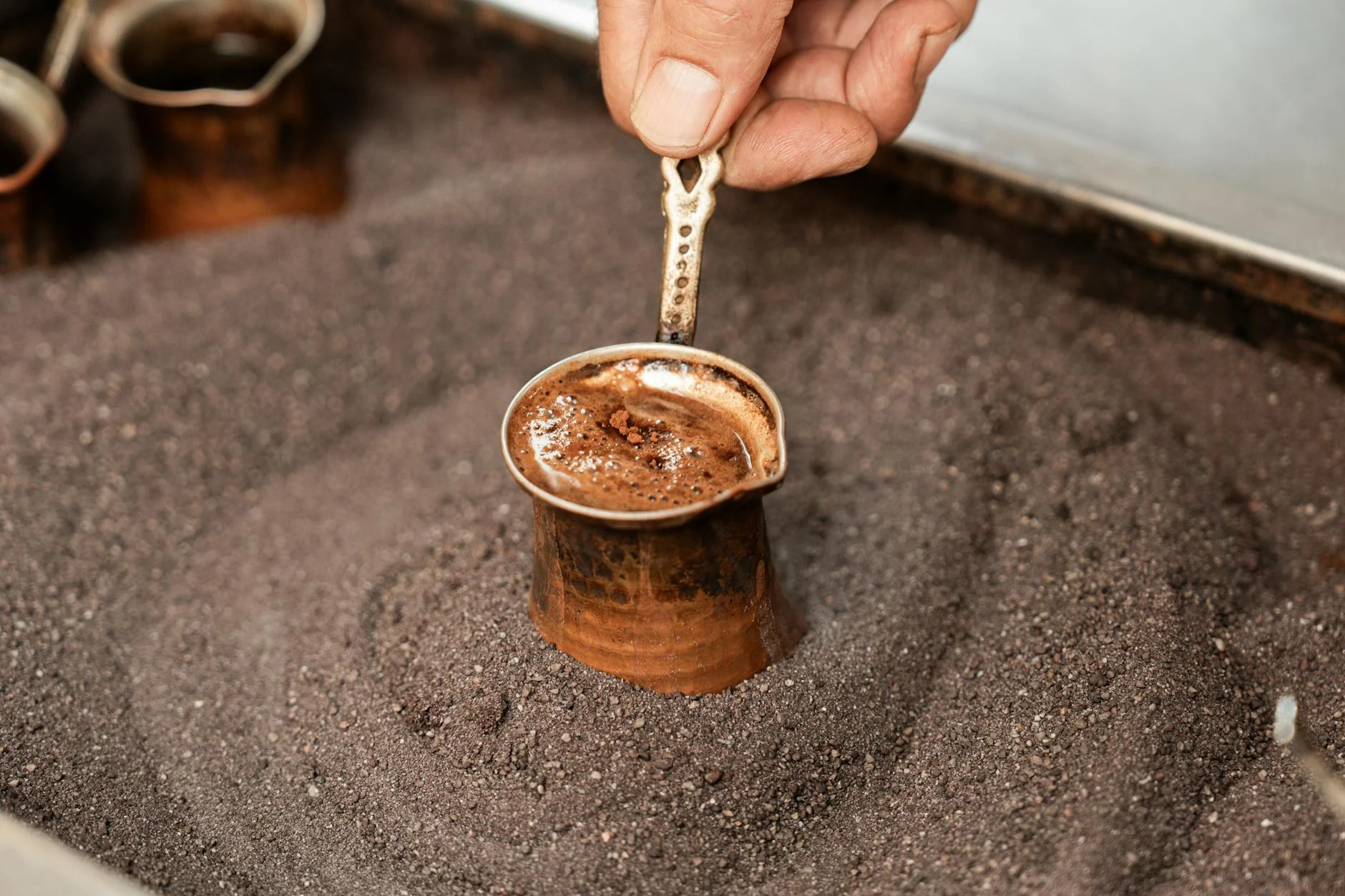
Unlocking flavor: The role of agitation and stirring in modern cezve coffee preparation
The cezve, or ibrik, is a symbol of one of the world’s oldest coffee brewing traditions, a method so culturally significant it’s recognized by UNESCO. Traditionally, its preparation is an art form steeped in ritual, often with minimal intervention. However, as the specialty coffee movement embraces precision and repeatability, this ancient method is being re-examined through a scientific lens. The once-debated practice of stirring has moved from a stylistic choice to a critical variable for controlling extraction. This article delves into the vital role of agitation and stirring in modern cezve coffee preparation, exploring how these simple actions are key to unlocking a balanced, clean, and complex cup that honors tradition while pushing the boundaries of flavor.
From tradition to precision: The evolving philosophy of cezve brewing
The historical approach to brewing in a cezve often involves a ‘less is more’ philosophy. Coffee and water are combined, heated, and the brew is allowed to rise without much, if any, stirring. The focus is on developing the rich foam, known as kaymak, and allowing the turbulent boil itself to act as the primary form of agitation. This method produces the classic, potent, and syrupy-bodied coffee many associate with the name “Turkish coffee.” While deeply satisfying, this technique can sometimes lead to inconsistent extraction, with some coffee grounds giving up too much flavor (over-extraction) and others not enough (under-extraction).
The modern, specialty coffee approach applies principles from other brewing methods like pour-over or immersion brewing to the cezve. The goal shifts from simply creating a strong beverage to achieving a balanced and transparent extraction that highlights the unique characteristics of the coffee beans. Here, every variable is controlled, from grind size and water temperature to the brewing time and, most importantly, agitation. Stirring is no longer a taboo but a deliberate tool used to ensure all coffee particles are evenly saturated and contribute equally to the final brew, transforming the cezve from a simple pot into a precision brewing device.
The science of agitation: How stirring impacts extraction
At its core, coffee brewing is a process of dissolving soluble flavor compounds from ground coffee into water. Agitation, whether through stirring or the natural turbulence of heating, dramatically influences the rate and evenness of this process. When coffee grounds and water are first mixed, the grounds can form clumps, preventing water from penetrating to the center. A thorough initial stir breaks these clumps apart, ensuring uniform saturation from the very beginning.
Furthermore, stirring creates turbulence in the slurry. This action serves two critical functions:
- It constantly moves the coffee grounds, preventing them from settling at the bottom where they would become a barrier to even extraction.
- It moves water that is already saturated with coffee solids away from the surface of the coffee particles and replaces it with fresher water, maintaining a high concentration gradient that encourages a more efficient and rapid extraction.
Without controlled agitation, you might rely solely on the convection currents created by heating from the bottom. This can be inefficient and lead to channeling, where water finds pathways of least resistance through the coffee bed, leaving large portions of the grounds under-utilized and resulting in a thin, sour, or bitter cup.
Practical techniques: When and how to stir for optimal results
Knowing why to stir is only half the battle; knowing when and how is what separates a good brew from a great one. In a modern cezve workflow, stirring is applied at specific stages for specific purposes. The initial stir, performed as soon as the coffee and water are combined, is arguably the most crucial. It should be vigorous enough to create a homogenous slurry, ensuring no dry pockets of coffee remain. This single step lays the foundation for an even extraction.
Mid-brew agitation is a more nuanced technique. A gentle stir or swirl during the heating process can resuspend particles that have begun to settle, promoting continued evenness. However, overly aggressive stirring at this stage can accelerate extraction too much, leading to harsh, bitter flavors. Many modern recipes call for one or two gentle stirs before the coffee begins to foam and rise. Importantly, most contemporary methods advise against any stirring during the final rise or after removing the cezve from the heat. This allows the fine particles to settle properly, resulting in a cleaner cup with less sediment.
The table below compares different approaches to stirring and their likely impact on the final cup.
| Stirring Technique | Primary Purpose | Potential Outcome |
|---|---|---|
| Vigorous Initial Stir | Break up clumps and ensure full saturation. | Even extraction start, reduced bitterness, consistent brew. |
| Gentle Mid-Brew Stir | Resuspend settled grounds for continued extraction. | Increased body and balance; risk of over-extraction if too aggressive. |
| No Stirring at All (Traditional) | Rely on heat-induced turbulence and convection. | Thick body, prominent foam, but potential for inconsistent and uneven extraction. |
| No Final Stir | Allow fine grounds to settle before serving. | Cleaner cup with less sediment, improved textural experience. |
The influence of tools and heat on agitation
The effectiveness of any stirring technique is also influenced by the tools you use. The shape of the stirring utensil—a thin bamboo stick versus a wider spoon—can change the nature of the turbulence created. Similarly, the design of the cezve itself plays a role. A pot with a wide base and a narrow neck is designed to promote natural convection currents as it heats, contributing a form of passive agitation that works in concert with active stirring. The material, be it copper, brass, or stainless steel, affects heat distribution, which in turn impacts the vigor of these currents.
Ultimately, the greatest partner to controlled agitation is a controlled heat source. Traditional sand pits or gas flames can create intense, hard-to-manage hot spots. Modern electric burners or induction cooktops provide consistent, even heat, which allows the brewer to manage the extraction rate more precisely. This stable environment means that the effects of stirring are more predictable and repeatable, taking the guesswork out of the process and putting the brewer firmly in control of the final flavor profile.
In conclusion, agitation and stirring are no longer peripheral considerations but central pillars of high-quality, modern cezve coffee preparation. Moving beyond the confines of rigid tradition, today’s brewers understand that a well-timed stir is a powerful tool for achieving a clean, balanced, and repeatable cup. By applying the science of extraction, we see that deliberate agitation ensures every coffee particle contributes its best, preventing the dual pitfalls of sourness and bitterness. It represents a beautiful synthesis of old and new: honoring the iconic form of the cezve while employing modern knowledge to unlock its full flavor potential. The result is a richer, more nuanced experience that elevates this ancient brewing method to its rightful place in the world of specialty coffee.



 No products in the cart.