

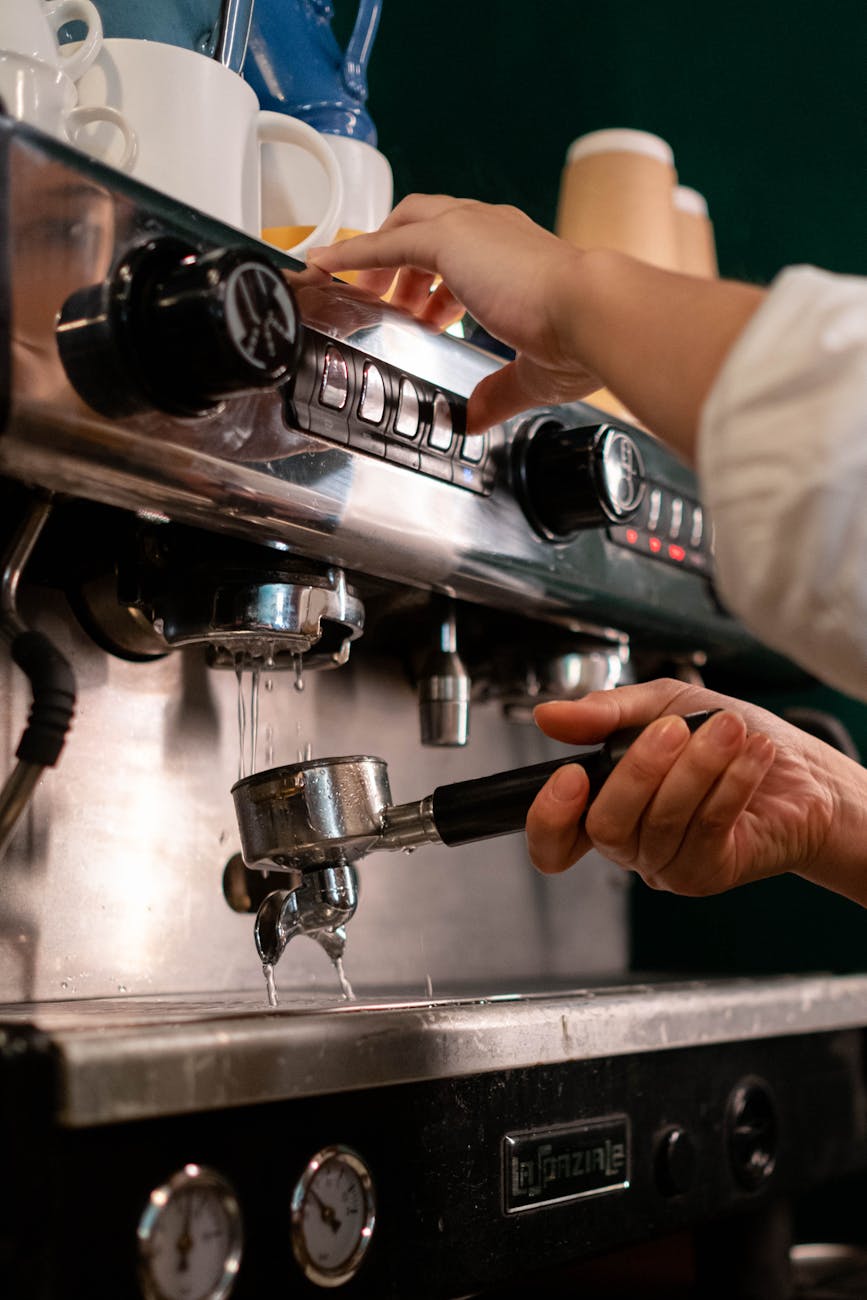
How to optimize your morning espresso workflow for efficiency
For many, the morning doesn’t truly begin until the rich aroma of a freshly pulled espresso fills the air. But in the rush to get out the door, this cherished ritual can quickly become a chaotic, messy affair. Finding coffee beans, fumbling for a tamper, and cleaning up a neglected portafilter can add unnecessary stress to your morning. This article is for the home barista who wants to transform their coffee-making process from a frantic scramble into a smooth, efficient, and enjoyable workflow. We’ll explore how proper preparation, the right tools, and a streamlined process can not only save you precious minutes but also significantly improve the quality of your daily cup. It’s about making your espresso routine a moment of zen, not a source of anxiety.
The foundation: Setting up your station the night before
The secret to a stress-free morning espresso is doing most of the work before you’re even fully awake. This concept, known in the culinary world as mise en place, or “everything in its place,” is the single most effective change you can make. By setting up your coffee station the night before, you eliminate decision fatigue and reduce the number of steps required when you’re still bleary-eyed. Start by creating a dedicated, uncluttered space for your espresso machine, grinder, and accessories.
Here’s a simple checklist to run through each evening:
- Water reservoir: Check and refill the water tank on your espresso machine. Running out of water mid-shot is a frustrating and time-wasting ordeal.
- Coffee beans: Decide on the beans you’ll use. You can either fill your grinder’s hopper or, for maximum freshness and precision, weigh out a single dose of beans into a small container or dosing cup.
- Portafilter: Make sure your portafilter is clean, dry, and resting on or near the machine.
- Accessories: Lay out all your tools in the order you’ll use them. This includes your scale, cup, WDT tool, tamper, and puck screen if you use one. Having them within arm’s reach prevents you from searching through drawers while the machine is ready to go.
This simple five-minute routine pays huge dividends, transforming your morning from reactive to proactive.
Choosing tools that enhance speed and consistency
While you don’t need the most expensive equipment to make great espresso, certain tools are specifically designed to improve both the speed and consistency of your workflow. Investing strategically in a few key pieces of gear can remove variables and make your process more repeatable, which naturally makes it faster.
Consider the impact of these components on your routine:
- A scale with a timer: This is a non-negotiable tool for efficiency. By using a scale with an integrated timer, you can weigh your output and time your shot simultaneously. This combines two critical steps and eliminates the need to juggle a separate timer or your phone.
- Dosing funnel: A simple dosing funnel that sits on your portafilter is a game-changer. It prevents messy grounds from spilling over the sides during grinding and distribution, saving you significant cleanup time.
- A self-leveling tamper: Tamping is a crucial step, but it’s easy to get wrong when you’re in a hurry. An uneven tamp can lead to channeling and a bad shot, forcing you to start over. A self-leveling (or calibrated) tamper ensures a perfectly level and consistent tamp every single time, removing the guesswork and improving your shot quality.
These tools aren’t about extravagance; they are about designing a workflow with fewer points of failure. A consistent process is an efficient process.
Mastering the flow: From grind to brew
With your station prepared and tools in place, the morning workflow becomes a graceful sequence of actions. The key is to think about how tasks can overlap and flow into one another. The very first step should happen the moment you wake up: turn on your espresso machine. Better yet, use a smart plug to have it automatically turn on 20-30 minutes before you even get to the kitchen, ensuring it’s fully heated and stable when you’re ready.
Once the machine is heating, your active workflow begins:
- Grind your beans: Place your portafilter with its funnel on the scale, tare it to zero, and grind your pre-weighed beans directly into it.
- Distribute and tamp: Use your WDT tool to break up any clumps and create a fluffy, even bed of coffee. Give the portafilter a gentle tap on the counter to settle the grounds, then use your self-leveling tamper to apply firm, even pressure. Place your puck screen on top if you use one. This entire puck prep sequence should become a smooth, practiced motion that takes less than 30 seconds.
- Brew the shot: Flush the group head for a second to stabilize the temperature. Lock in your portafilter, place your cup and scale underneath, and immediately start the shot and the timer.
While the espresso is pulling, you have a 25-30 second window. Don’t just stand and watch. Use this time to put your tamper and WDT tool back in their place or grab your milk from the fridge if you’re making a latte. This “active waiting” is the essence of an efficient workflow.
| Action | Disorganized Workflow (Approx. Time) | Optimized Workflow (Approx. Time) |
|---|---|---|
| Machine & Station Prep | Find beans, fill water, find tools (3-4 mins) | Turn on machine (already prepped) (5 secs) |
| Grind & Puck Prep | Weigh beans, grind, spill grounds, find tamper, uneven tamp (2-3 mins) | Grind pre-weighed dose, WDT, level tamp (45 secs) |
| Pulling the Shot | Start shot, then look for timer (35 secs) | Start shot & integrated timer, tidy up while brewing (30 secs) |
| Cleanup | Leave dirty portafilter for later (0 secs, but creates future work) | Knock, wipe, rinse immediately (20 secs) |
| Total Time | 6-8 minutes + later cleanup | ~2 minutes |
The immediate cleanup: Your gift to future you
The final, and often overlooked, step of an efficient workflow is the cleanup. It might be tempting to grab your coffee and run, leaving the mess for later, but this is a critical mistake. Dealing with dried-on coffee grounds and milk residue takes far more time and effort than a quick, immediate cleanup. Make it part of the ritual. The moment your cup is ready, your workflow should conclude with a simple three-step process: knock, wipe, and rinse.
Knock the used puck out into a knock box. Use a dedicated brush or cloth to wipe the inside of the basket clean of any residual grounds. Finally, lock the portafilter back into the group head and flush it with hot water for a few seconds. This entire process takes less than 30 seconds and leaves your machine pristine and ready for its next use. If you steamed milk, purge and wipe the steam wand immediately. By integrating cleanup into the process, you ensure your station is always ready, making tomorrow’s espresso just as seamless as today’s.
Ultimately, optimizing your morning espresso workflow is not about rushing the process but about making it more deliberate and removing friction. By preparing your station the night before, using tools that promote consistency, mastering a fluid sequence of actions, and cleaning up immediately, you transform a potentially stressful task into a peaceful and rewarding ritual. This efficiency doesn’t detract from the craft; it enhances it by allowing you to focus on what truly matters—the beautiful, delicious shot of espresso in your cup. The result is more than just saved time; it’s a better start to your day, every day, fueled by a perfect coffee that you created with effortless grace.

 No products in the cart.