

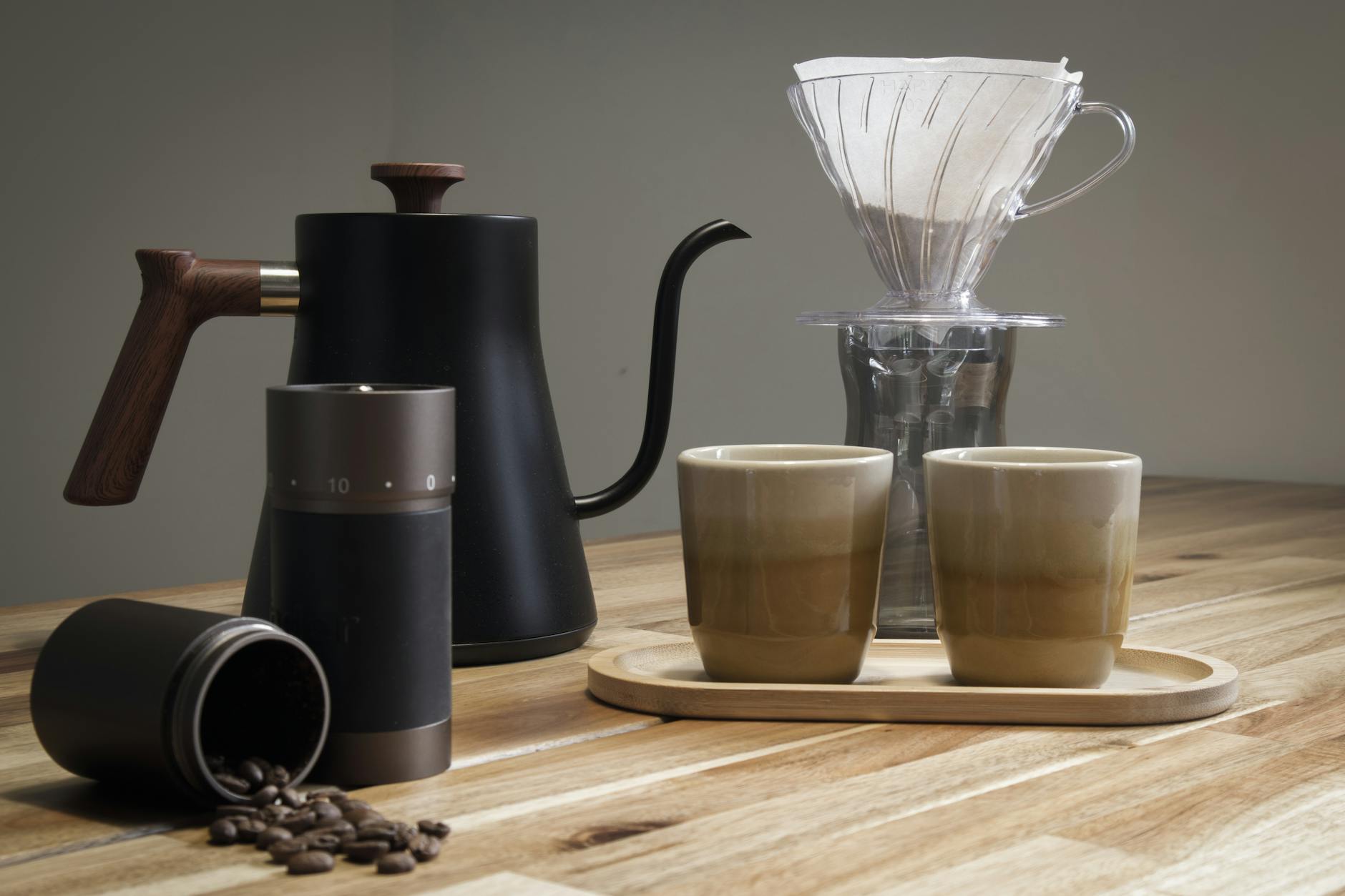
The daily ritual of manual coffee brewing is a craft, a moment of mindful creation that results in a perfect cup. However, that delightful process can quickly become a frustrating scramble if your brewing space is chaotic. Searching for filters, wiping up stray grounds before you’ve even started, or fumbling with a scale tucked away in a drawer all detract from the experience. A well-organized brewing station is the foundation of workflow efficiency. It’s not just about having a tidy countertop; it’s about creating a seamless, repeatable process that minimizes friction and maximizes focus. This allows you to concentrate on the important variables like grind size and water temperature, ultimately leading to a more consistent and delicious brew every single time.
The principle of ‘mise en place’ for coffee
In professional kitchens, chefs live by the principle of mise en place, a French term meaning “everything in its place.” This philosophy is about preparation and organization before the cooking even begins. Every ingredient is measured, every tool is clean and within reach. Applying this concept to your manual coffee brewing station can completely transform your routine. Before you even heat the water, your beans should be weighed, your filter should be accessible, your scale should be in position, and your favorite mug should be ready. Adopting this mindset shifts your brewing from a reactive series of tasks to a smooth, proactive flow. The primary benefit is a calmer, more focused brewing experience, which directly translates into better coffee. When you aren’t hunting for a spoon or your timer, you can pay closer attention to your pouring technique and drawdown time, achieving the consistency that is the hallmark of great manual brewing.
Designing your core brewing zone
Building on the ‘mise en place’ principle, your physical layout should be designed for effortless movement. The heart of your station is the “brewing triangle,” which consists of your grinder, kettle, and brewer/scale setup. These three components should be positioned so you can access them with minimal effort, ideally in a logical sequence. Start with the grinder, placing it where you have space to weigh your beans and load them without making a mess. Next, your kettle should be close by, ideally near a power source and with a clear path to your brewer so you’re not awkwardly reaching over other items with a vessel full of scalding water. Finally, the central stage: your scale, with your brewing device (like a V60 or Chemex) on top. This area should be a stable, flat, and preferably water-resistant surface. This intentional placement creates a natural, ergonomic workflow: weigh and grind the beans, position the brewer, start the kettle, and you’re ready to brew in a fluid, uninterrupted sequence.
Organizing your tools and accessories
Once your core zone is established, the next step is to organize the supporting cast of tools and supplies. Clutter is the enemy of efficiency, so grouping items by function is crucial. Think of your station in terms of functional hubs:
- Dry goods storage: This is for your coffee beans and filters. Beans should be kept in an airtight, opaque container to protect them from light and air. Place this container near your grinder. Your paper filters should be kept in their original box or a dedicated holder to keep them clean, dry, and easy to grab.
- Accessory station: All your small tools should live together. Use a small tray, a handsome jar, or even a wall-mounted pegboard to hold your timer, a distribution tool, a spoon for stirring, and a small spray bottle for the Ross Droplet Technique (RDT) to reduce static. Keeping them contained prevents them from getting lost on the counter.
- The wet zone: A great workflow accounts for water. Designate an area near your sink, if possible, or have a small vessel with fresh water for rinsing filters and a silicone mat for drying your equipment post-brew. This separation keeps your primary brewing zone dry and clean.
By giving every single item a designated home, you eliminate the mental energy spent searching for things and can stay fully engaged in the brewing process.
The post-brew cleanup flow
An efficient workflow doesn’t end when your coffee is in the mug; it extends to the cleanup. A messy station after a brew can create a sense of dread, making you less likely to want to repeat the process. The key is to make cleanup an integrated, low-effort part of the routine. The most impactful step is creating a dedicated disposal spot. Place a small compost bin or trash can directly next to your brewing station. As soon as the drawdown is complete, you can lift the brewer and dispose of the wet filter and grounds in one swift motion. Next, move directly to your pre-defined “wet zone.” Immediately rinse your brewer, carafe, and any other tools used. Having a dedicated drying mat or rack means you can place them there to air dry and you’re done. This “reset” takes less than a minute and ensures your station is clean, tidy, and ready for your next perfect brew.
To illustrate the difference, here is how a simple workflow can be impacted by organization:
| Task | Disorganized station (Est. time) | Organized station (Est. time) |
|---|---|---|
| Preparation (Gathering gear, beans, filter) | 2-3 minutes | 30 seconds |
| Weighing & Grinding | 1.5 minutes | 45 seconds |
| Brewing Process (Rinsing, blooming, pouring) | 4 minutes | 4 minutes |
| Cleanup & Reset | 3-5 minutes | 1 minute |
| Total time & effort | 10-13.5 minutes (High mental load) | 6.25 minutes (Low mental load) |
The conclusion is clear: an organized station nearly halves the total time and, more importantly, reduces the friction and stress involved, making the entire process more enjoyable.
In summary, transforming your manual brewing station for maximum efficiency is about thoughtful organization, not expensive gear. By adopting the culinary principle of mise en place, you set the stage for a calm and focused session. From there, designing a core brewing triangle for your primary equipment creates an ergonomic and logical flow. Supporting this core by grouping accessories and supplies into functional hubs eliminates clutter and wasted time. Finally, integrating a quick and seamless cleanup process ensures your station is always ready for the next brew. The result of this effort is profound: you save time, reduce stress, and, most importantly, create the mental space to focus on your craft, leading to consistently better-tasting coffee and a more rewarding daily ritual.


 No products in the cart.