

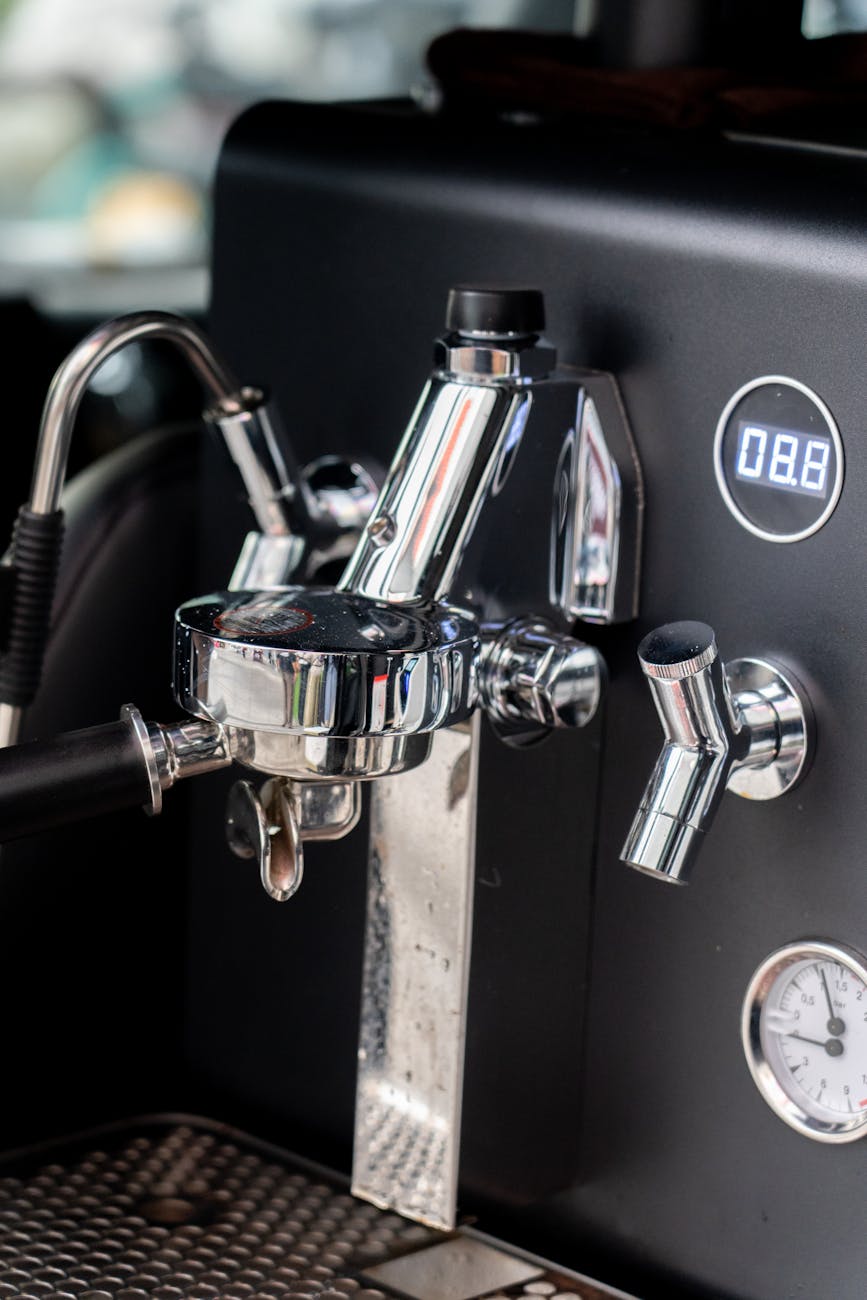
Why water temperature matters for manual espresso success
In the world of manual espresso, enthusiasts obsess over countless variables in their quest for the perfect shot. We meticulously weigh our coffee beans, dial in our grind size with surgical precision, and practice tamping until it becomes muscle memory. We even analyze the art of pressure profiling with our levers. Yet, one of the most critical and influential variables is often treated as an afterthought: water temperature. The temperature of your brew water is not just a minor detail; it is a fundamental pillar of extraction that dictates whether your shot will be a symphony of balanced flavors or a harsh, disappointing failure. This article will delve into why water temperature is paramount for manual espresso success, transforming your understanding and your coffee.
The science of extraction and temperature
At its core, brewing espresso is a process of extraction. We are using hot, pressurized water to dissolve soluble flavor compounds from roasted coffee grounds and carry them into our cup. Water temperature plays the role of the primary catalyst in this chemical reaction. Think of it as energy; the hotter the water, the more thermal energy it possesses. This energy excites the molecules in the coffee grounds, allowing them to dissolve more quickly and efficiently.
Different compounds in coffee extract at different rates. The first to dissolve are the acids, which are responsible for bright, fruity, and sometimes sour notes. Next come the sugars, which provide sweetness and balance. Finally, the heavier, more complex compounds like melanoidins and lipids emerge, contributing to body, aroma, and, if over-extracted, bitterness. Because temperature directly governs the speed of this process, it gives you incredible control over which compounds you want to highlight and which you want to subdue. A slight change of just a few degrees can completely alter the chemical makeup of your final shot, and therefore, its entire flavor profile.
How temperature affects taste, aroma, and body
Understanding the science is one thing, but tasting the results is what truly matters. The direct link between temperature and taste is undeniable, and learning to identify the signs of incorrect temperature is a key skill for any home barista.
- Water that is too hot: Using water above the ideal range (typically over 96°C or 205°F) will cause extraction to happen far too quickly. This aggressive process strips the grounds of everything, including the less desirable compounds that extract last. The result is a cup that tastes bitter, astringent, and hollow. You might notice ashy or burnt flavors that mask any of the bean’s delicate origin characteristics. The beautiful crema may look good, but the shot itself will lack sweetness and complexity, leaving a harsh, drying sensation in your mouth.
- Water that is too cold: On the other end of the spectrum, water that isn’t hot enough (typically below 90°C or 195°F) lacks the energy to properly dissolve the desirable compounds. It will pull out the fast-extracting acids but fail to reach the sugars and oils needed for balance and body. This leads to a shot that is disappointingly sour, weak, and thin. The taste will be one-dimensional and underdeveloped, often described as “grassy” or “lemony” in a negative way. The shot will lack the rich, syrupy body that is the hallmark of a great espresso.
When the temperature is just right, magic happens. The extraction is balanced, pulling out the bright acids, the sweet sugars, and the rich oils in perfect harmony. The resulting shot is complex, sweet, and vibrant, with a pleasant, lingering aftertaste and a full, syrupy body.
Finding the right temperature for your coffee
While the general recommendation for espresso is a temperature range of 90°C to 96°C (195°F to 205°F), the perfect temperature is not a single number. It is a moving target that depends primarily on one thing: the roast level of your coffee beans. Different roast levels create beans with different densities and solubilities, requiring different amounts of energy for a balanced extraction.
A great starting point is to adjust your temperature based on the color of your beans:
- Light roasts: These beans are very dense and less soluble. They require more energy to properly extract their complex floral and fruity notes. Using a higher water temperature will help unlock their inherent sweetness and prevent the shot from tasting overly sour.
- Medium roasts: Often the most forgiving, these beans typically shine within the middle of the temperature range. They offer a balance of acidity and deeper chocolatey or nutty notes, and a standard starting temperature will usually yield good results.
- Dark roasts: These beans are more brittle, porous, and highly soluble due to the extended roasting process. They extract very easily and are prone to becoming bitter. Using a lower water temperature helps to tame this bitterness, allowing their rich, roasty, and chocolate-like flavors to come forward without becoming harsh.
Here is a simple guide to use as a starting point for your experiments:
| Roast level | Recommended temperature range (Celsius) | Recommended temperature range (Fahrenheit) | Expected flavor profile |
|---|---|---|---|
| Light roast | 93°C – 96°C | 200°F – 205°F | Bright, acidic, fruity, floral |
| Medium roast | 91°C – 94°C | 196°F – 201°F | Balanced, sweet, complex |
| Dark roast | 90°C – 92°C | 195°F – 198°F | Rich, chocolatey, nutty, low acidity |
Managing temperature with manual espresso makers
Controlling temperature presents a unique challenge for users of manual espresso makers like the Flair, Robot, or Cafelat. Unlike commercial machines with electronically controlled boilers, these devices have a detached brew head that is highly susceptible to heat loss. This means your workflow and preparation are critical for achieving temperature stability.
Preheating is non-negotiable. Simply running hot water through the brew chamber once is not enough. The metal group head acts as a massive heat sink, and if it’s not thoroughly heated, it can sap several degrees from your brew water the moment they make contact. To preheat effectively, fill the brew chamber with boiling water from your kettle and let it sit for at least a minute. Dump it and repeat the process, perhaps even a third time. For some devices, you can use the steam from your kettle’s spout to heat the components even more intensely. The goal is to get the metal so hot that it minimally impacts the temperature of your actual brew water. A fast-read digital thermometer is your best friend here, allowing you to measure your water in the kettle and brew with intention, rather than just guessing with “off-boil” water.
In conclusion, while variables like grind size and tamping are visibly hands-on, the invisible force of water temperature is equally, if not more, important in crafting exceptional manual espresso. It is the key that unlocks the complex chemistry within your coffee grounds. As we’ve explored, temperature directly dictates the rate of extraction, shaping whether your final cup is bitter, sour, or perfectly balanced. By learning to match your water temperature to the roast level of your beans and mastering the art of preheating your manual device, you gain an incredible degree of control over the final taste. This attention to detail is what separates a passable homemade coffee from a truly memorable espresso shot that rivals your favorite cafe.
 No products in the cart.