

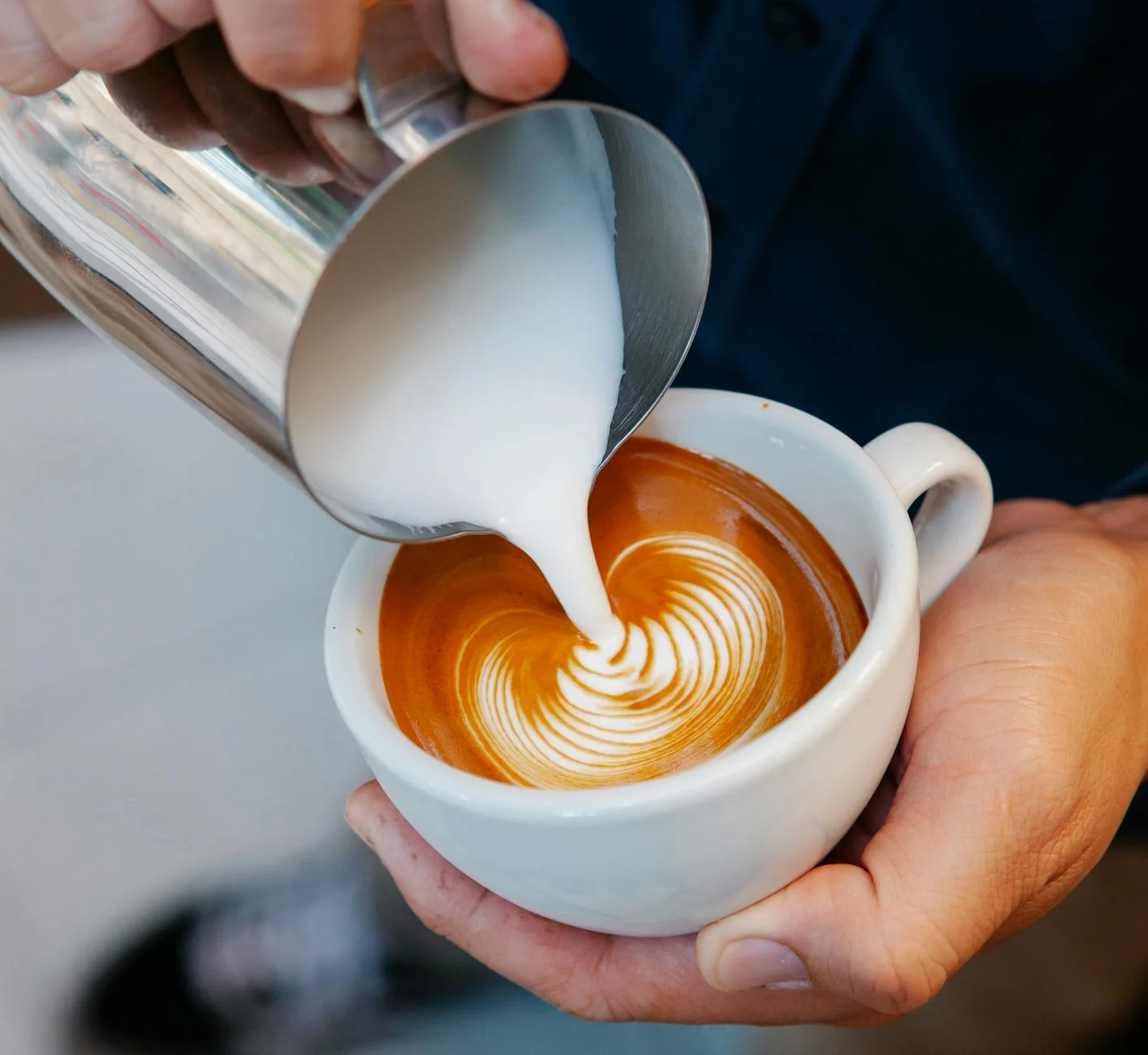
The Gaggia Anima, with its pannarello steam wand, offers a straightforward approach to milk frothing that is quite effective for dairy milk. However, for the home barista dedicated to manual espresso craft, achieving silky, stable microfoam with milk alternatives presents a distinct challenge. The unique protein and fat compositions of non-dairy milks interact differently with the steam and air introduced by the wand. Understanding the interplay between your machine’s capabilities and the properties of each liquid is fundamental to producing latte art-quality foam. This article explores the technical factors that influence the frothing of milk alternatives, providing a guide for Gaggia Anima users seeking to master their craft beyond traditional dairy.
The foundational science of microfoam
At its core, milk frothing is the process of stretching a liquid’s protein structure to encapsulate air, while fats contribute to texture and flavor. In cow’s milk, whey and casein proteins are perfectly suited for this task. When heated, these proteins denature, or unfold, and create a flexible web around air bubbles. This structure is what allows for the creation of stable, dense microfoam.
Milk alternatives must replicate this process using plant-based proteins and fats. The challenge is that these components behave differently:
- Protein content: This is the single most critical factor for stability. Plant-based proteins from sources like soy and oats can denature and form stable foams, but their concentration and structure vary significantly. A higher protein content, typically above 2 grams per 100 milliliters, is often required for a resilient foam.
- Fat content: Fats contribute to the creamy mouthfeel and richness of the final drink. However, excessive or unstable fats can destabilize the protein web, causing bubbles to collapse. The type and homogenization of fats in a milk alternative are just as important as the quantity.
- Stabilizers and emulsifiers: Many “barista blend” alternatives include additives like gellan gum, dipotassium phosphate, or lecithin. These ingredients are not shortcuts but essential components that improve the liquid’s viscosity and ability to hold a stable emulsion, preventing the foam from separating prematurely.
Adapting to the Anima’s pannarello wand
The Gaggia Anima features a pannarello wand, which is designed for ease of use. It has a small air intake hole that automatically injects a consistent amount of air into the milk, making it simple to create voluminous foam. However, this design can be a disadvantage when working with sensitive milk alternatives, as it offers less manual control over the aeration phase.
For experienced baristas, the key is to manage the wand’s position carefully. Submerging the wand’s air hole just below the surface introduces air. To transition from aeration (stretching) to texturing (incorporating the foam), you must raise the pitcher slightly higher, fully submerging the hole. This stops the introduction of new air and allows the steam to create a vortex, breaking down larger bubbles and integrating the foam into a homogenous, silky texture. With non-dairy milks, this texturing phase is crucial and often needs to be shorter to avoid overheating, which can degrade the fragile protein structure.
An analysis of common milk alternatives
Not all non-dairy milks are created equal when it comes to frothing. Their performance is directly tied to their nutritional composition. Understanding these differences allows for a more informed selection at the grocery store.
| Milk Alternative | Typical Protein (g/100ml) | Fat Content | Frothing Characteristics |
|---|---|---|---|
| Oat Milk | 1 – 2.5g | High (often oil-fortified) | Creates a creamy, dense foam with excellent stability, closely mimicking dairy. Its neutral flavor is a significant advantage. Best results come from barista-specific formulas. |
| Soy Milk | 2.5 – 3.5g | Moderate | The high protein content allows it to form a very stable and stiff foam. However, it is prone to curdling in acidic coffee and can have a distinct flavor profile. |
| Almond Milk | <1g | Low | Difficult to froth due to low protein. Often results in a thin, bubbly foam that dissipates quickly. Barista blends add proteins and stabilizers to compensate, but results can still be inconsistent. |
| Coconut Milk | <0.5g | Very High | Does not typically create stable foam due to a lack of protein. The high fat content can add texture but inhibits bubble formation. Primarily used for flavor rather than texture. |
Technique adjustments for superior results
Success with milk alternatives on the Gaggia Anima requires subtle shifts in technique. Start with very cold milk and a chilled frothing pitcher. The colder temperature provides a longer window for steaming before the milk reaches the optimal 60-65°C (140-150°F), giving you more time to texture the foam properly.
Pay close attention to the sound. The initial aeration phase should produce a gentle hissing or tearing sound. Once you have incorporated enough air—often a shorter period than with dairy—raise the pitcher to submerge the pannarello’s air hole. The sound should change to a quiet hum as the vortex begins to spin and refine the foam. Stop steaming immediately once the pitcher becomes too hot to comfortably touch. Overheating will destroy the delicate foam structure of any milk alternative.
Conclusion
Mastering milk alternatives on the Gaggia Anima is less about finding a single “perfect” product and more about understanding the principles of foam creation. Success hinges on selecting an alternative with adequate protein and a stable fat structure, often found in barista-specific editions. It also demands a refined technique that accommodates the automated aeration of the pannarello wand by carefully controlling its depth and temperature. By focusing on these technical details—protein content, temperature, and wand position—home baristas can consistently produce high-quality microfoam for their espresso beverages. For those looking to refine other aspects of their workflow, various tools and accessories are available at papelespresso.com.
 No products in the cart.