

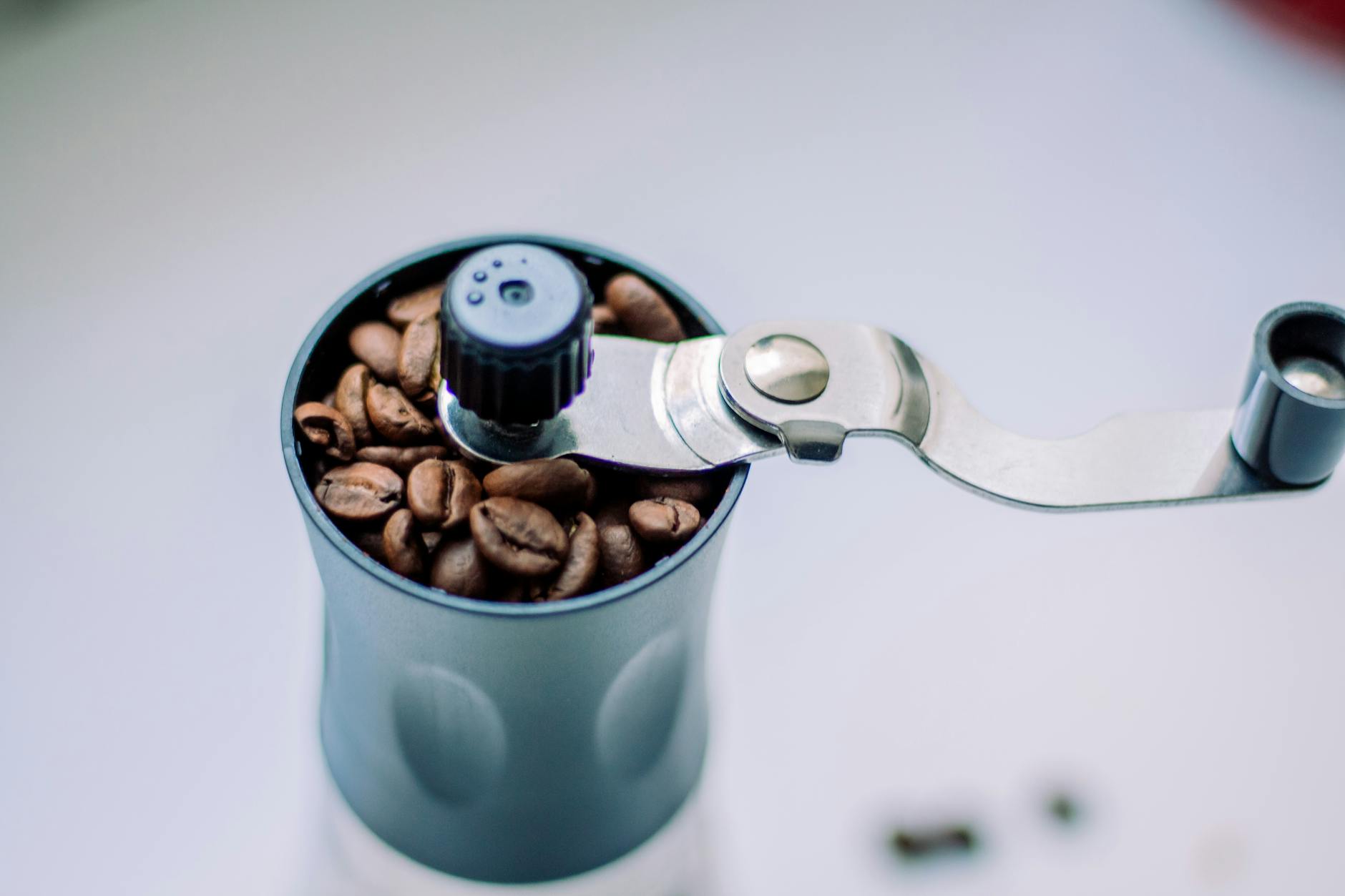
How to fix grinder noise issues on the Gaggia Anima
The Gaggia Anima is a capable machine, but unexpected noises from its integrated ceramic burr grinder can be a point of concern for the detail-oriented home barista. A consistent grinder is foundational to espresso quality, and any deviation in its sound often signals an issue that could impact grind uniformity and shot extraction. Addressing these noises is not just about reducing sound; it is about maintaining the precision of your equipment. This guide provides a systematic approach to diagnosing and resolving common grinder noise issues, helping you restore the machine to its optimal performance and protect the quality of your espresso preparations. Understanding these acoustics is a key part of advanced machine ownership.
Decoding grinder acoustics: Normal vs. problematic noise
Before attempting a repair, it is essential to distinguish between the grinder’s normal operational sounds and noises that indicate a problem. The Gaggia Anima’s ceramic burr set produces a characteristic high-frequency whirring sound during a normal grind cycle. This sound should be relatively stable and consistent from start to finish. Abnormal noises, however, present differently and point to specific potential issues.
- High-pitched squealing: This sound often occurs when coffee bean fragments or excessive fines become lodged between the burrs, causing them to rub incorrectly. It can also indicate the grinder is running empty.
- Loud clunking or crunching: A sudden, sharp noise of this nature typically signals that a foreign object, such as a small stone or other debris sometimes found in coffee bags, has entered the grinding chamber. It is critical to stop the grinder immediately if this occurs.
- Excessive rattling or vibration: If the primary grinding sound is normal but accompanied by a rattle, the cause is often a loose component. The bean hopper not being seated correctly is a common source of this sound.
- Strained or laboring motor: A dull, low-pitched hum or a noticeable drop in motor speed suggests a jam. This is often caused by an accumulation of oily coffee grounds or trying to grind very light, dense beans at too fine a setting.
First steps: inspection and cleaning
The most common cause of grinder noise is a blockage or buildup of old coffee grounds. A thorough cleaning is the logical first step in troubleshooting and resolves a majority of issues. Before beginning any maintenance, always disconnect the machine from its power source for safety.
Start by removing all beans from the hopper. Use a vacuum to clear out any remaining beans or fragments from the grinder inlet. Next, access the burr set. On the Anima, this typically involves turning the grind adjustment knob to its coarsest setting and then lifting out the upper burr assembly. You will likely find a significant amount of compacted coffee dust and oils caked onto the burrs and in the surrounding chamber. Use a stiff, non-metallic brush and a vacuum to meticulously clean the upper and lower burrs, as well as the chute where grounds exit. Pay close attention to the crevices where fines can accumulate, as this buildup can impede burr movement and cause motor strain.
Removing foreign objects and blockages
If a hard object like a stone has entered the grinder, it can cause significant noise and potentially damage the ceramic burrs. After unplugging the machine and performing the full cleaning procedure described above, you can inspect the grinding chamber for obstructions. With the upper burr removed, use a wooden skewer or a similar soft tool to gently probe the area around the lower burr. Never use metal tools, as they can scratch or chip the ceramic.
If an object is located, attempt to dislodge it carefully with the skewer and remove it with tweezers or a vacuum. You should never force the grinder to operate if you suspect an obstruction, as this can fracture the burrs or overload the motor. If an object is too deeply lodged to remove easily, it may require further disassembly, which should be approached with caution and reference to the manufacturer’s technical documentation.
Grinder calibration and component inspection
While less frequent, mechanical issues or misalignments can also create noise. One diagnostic test is to check for “burr chirp,” which is the sound of the burrs touching at the finest setting. With the grinder completely clean and empty, and the machine unplugged, turn the grind adjustment knob slowly toward the finest setting. You should feel resistance, but you should not hear a distinct metallic or ceramic scraping sound. If you do, it may indicate the burrs are out of alignment or improperly seated.
Reseating the upper burr carrier can sometimes resolve this. Ensure it is placed back into the grinder housing correctly and locks into place. Also, confirm the bean hopper is securely attached and that its safety switch is properly engaged. A loose hopper is a primary source of rattling and can cause inconsistent feeding of beans into the grinder, leading to fluctuating sounds.
Conclusion
A systematic approach to grinder noise on the Gaggia Anima almost always leads to a resolution. By first identifying the type of sound, the user can narrow down the potential cause. The diagnostic process should always begin with the simplest and most common solution: a thorough cleaning of the burr chamber. This step alone resolves issues related to coffee buildup and minor blockages. If the problem persists, a careful inspection for foreign objects and a check of component seating are the next logical steps. Proactive, regular maintenance is the most effective strategy for preventing these issues, ensuring the grinder operates quietly and consistently. Performing these checks helps maintain the high standard of espresso that manual users expect, and for those looking to improve their maintenance routine, various tools are available at papelespresso.com.

 No products in the cart.