

Mastering the Gaggia Classic Pro: How WDT and dosing funnels reduce mess
The Gaggia Classic Pro is a capable and beloved machine among espresso enthusiasts for its manual control and robust build. However, its straightforward design often presents a common challenge: a messy preparation workflow. Coffee grounds spilling from the portafilter during grinding and distribution is a frequent frustration that not only requires cleanup but also represents a loss of carefully dosed coffee. For the experienced home barista, achieving a clean and efficient puck preparation routine is essential for shot consistency. This article provides a technical guide on how two simple tools, a dosing funnel and a Weiss Distribution Technique (WDT) tool, can eliminate mess and improve the quality of your espresso.
Why grinders and stock baskets create a challenge
The source of the mess often begins with the interaction between the grinder and the portafilter basket. Modern espresso grinders are designed to produce a low-density, fluffy stream of grounds. While this fluffiness is beneficial for preventing clumps, it means the grounds occupy a large volume. When grinding a typical 18-gram dose directly into a standard 58mm Gaggia basket, the coffee forms a precarious mound that sits well above the rim. Any slight vibration or attempt to settle the grounds can cause a significant spill onto the countertop.
Furthermore, static electricity, a common byproduct of the grinding process, can cause grounds to cling to the grinder chute and then fall unpredictably. This, combined with the natural tendency of finely ground coffee to clump, makes it difficult to achieve an even, contained bed of coffee without intervention. The stock basket’s dimensions simply do not provide enough headroom to manage this initial volume, forcing users to develop techniques to mitigate spills before tamping.
Containing the grounds with a dosing funnel
A dosing funnel is the most direct solution to overflowing grounds. This simple accessory acts as a temporary wall extender, sitting securely on the rim of the portafilter basket. Its primary function is to increase the basket’s vertical capacity, allowing the entire dose of fluffy grounds to be contained from the moment they leave the grinder. With a funnel in place, the mound of coffee has no path to escape, immediately solving the spillage problem during the grinding phase.
Dosing funnels come in various designs, including models that sit on top of the basket rim and others that fit snugly inside. The choice often comes down to user preference and the specific dimensions of the tamper being used. By creating a contained environment, a dosing funnel not only prevents waste but also enables a more aggressive and effective distribution technique, as the grounds can be stirred without fear of them spilling over the sides.
Breaking up clumps with the Weiss Distribution Technique
Once the grounds are safely contained within the funnel, the next step is to ensure they are evenly distributed throughout the basket. This is where the Weiss Distribution Technique (WDT) becomes indispensable. WDT involves using a tool with very fine needles to stir the coffee grounds, breaking up any clumps and eliminating dense pockets. This action homogenizes the coffee bed, removing air pockets and ensuring uniform density from top to bottom.
The benefits of WDT extend far beyond just tidiness. A properly distributed puck is the best defense against channeling, where water exploits low-density areas in the coffee bed and causes uneven extraction. By systematically stirring the grounds in circular and crisscross patterns, the barista creates a puck structure that encourages water to flow evenly through the entire coffee mass. This leads to a more balanced extraction and, ultimately, a better tasting shot of espresso. Performing WDT inside a dosing funnel makes the process clean and highly effective.
A refined workflow for the Gaggia Classic Pro
Integrating these tools transforms the Gaggia Classic Pro workflow from a potentially messy endeavor into a precise and clean routine. The following steps outline an efficient process:
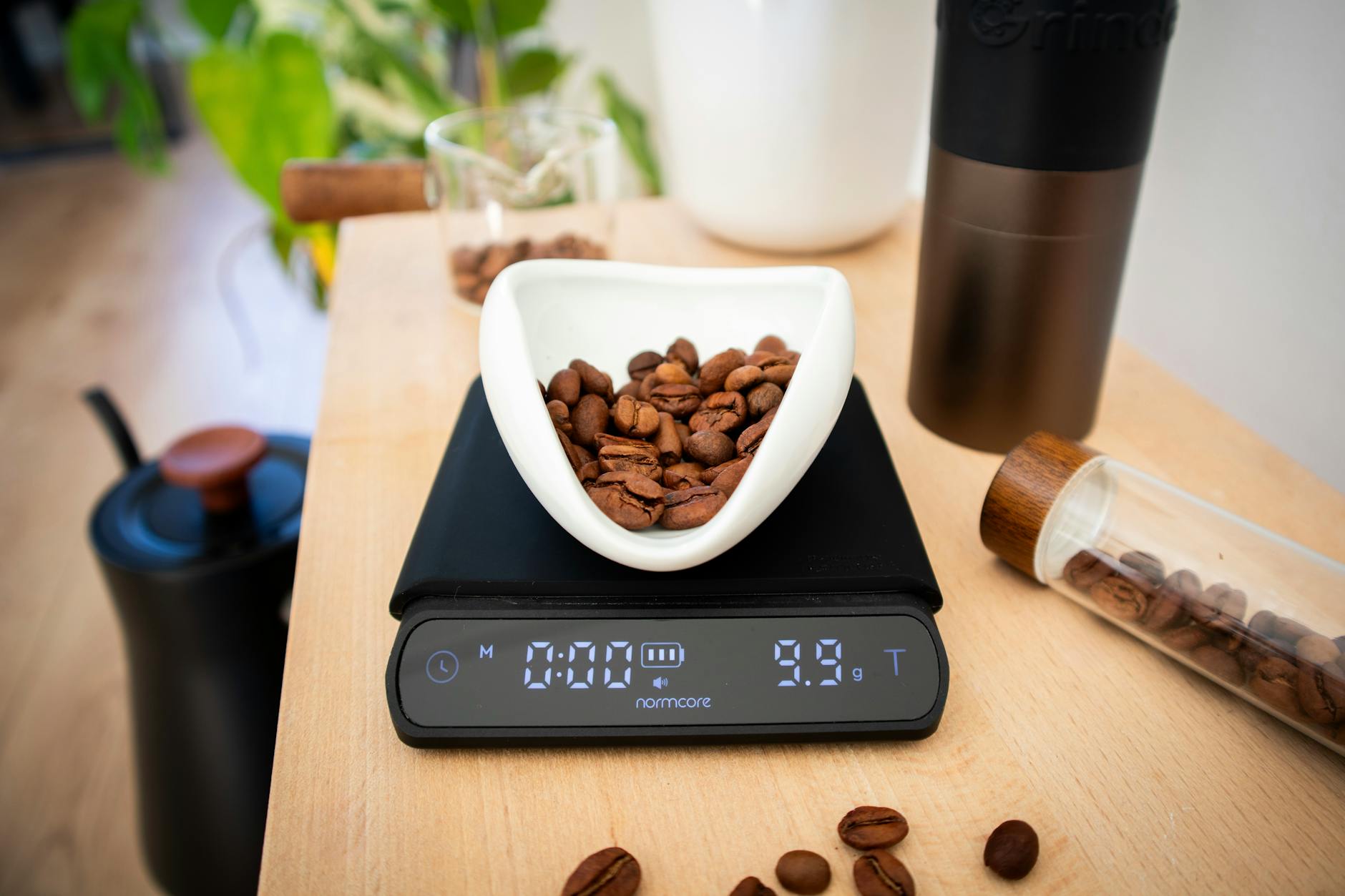
- Place your portafilter on a scale and attach your dosing funnel.
- Tare the scale to zero.
- Grind your beans directly into the portafilter. The funnel will contain all the grounds.
- Verify you have reached your target dose.
- Using a WDT tool, stir the grounds thoroughly. Start from the bottom and work your way up to ensure the entire bed is de-clumped and evenly distributed.
- Gently tap the side of the portafilter or tap it lightly on the counter once or twice to settle the grounds into a flat bed.
- Carefully remove the dosing funnel. The grounds should now sit well below the basket’s rim.
- Tamp on a level surface with consistent pressure.
This systematic approach ensures that from grinding to tamping, your coffee grounds are contained, your dose is accurate, and your puck is perfectly prepared for an even extraction.
Conclusion
For the dedicated Gaggia Classic Pro user, mastering the espresso-making process involves controlling variables and maintaining consistency. While often overlooked, a clean workspace is a hallmark of a refined technique. A dosing funnel and a WDT tool are not mere accessories; they are fundamental components of a clean and precise puck preparation routine. They directly address the core issues of overflowing grounds and inconsistent puck density, which are common frustrations for manual espresso makers. By integrating these tools, you eliminate mess, reduce coffee waste, and create the ideal conditions for a balanced, channel-free extraction. For baristas seeking to improve their craft, specialized accessories designed for this purpose are available from retailers like papelespresso.com.

 No products in the cart.