

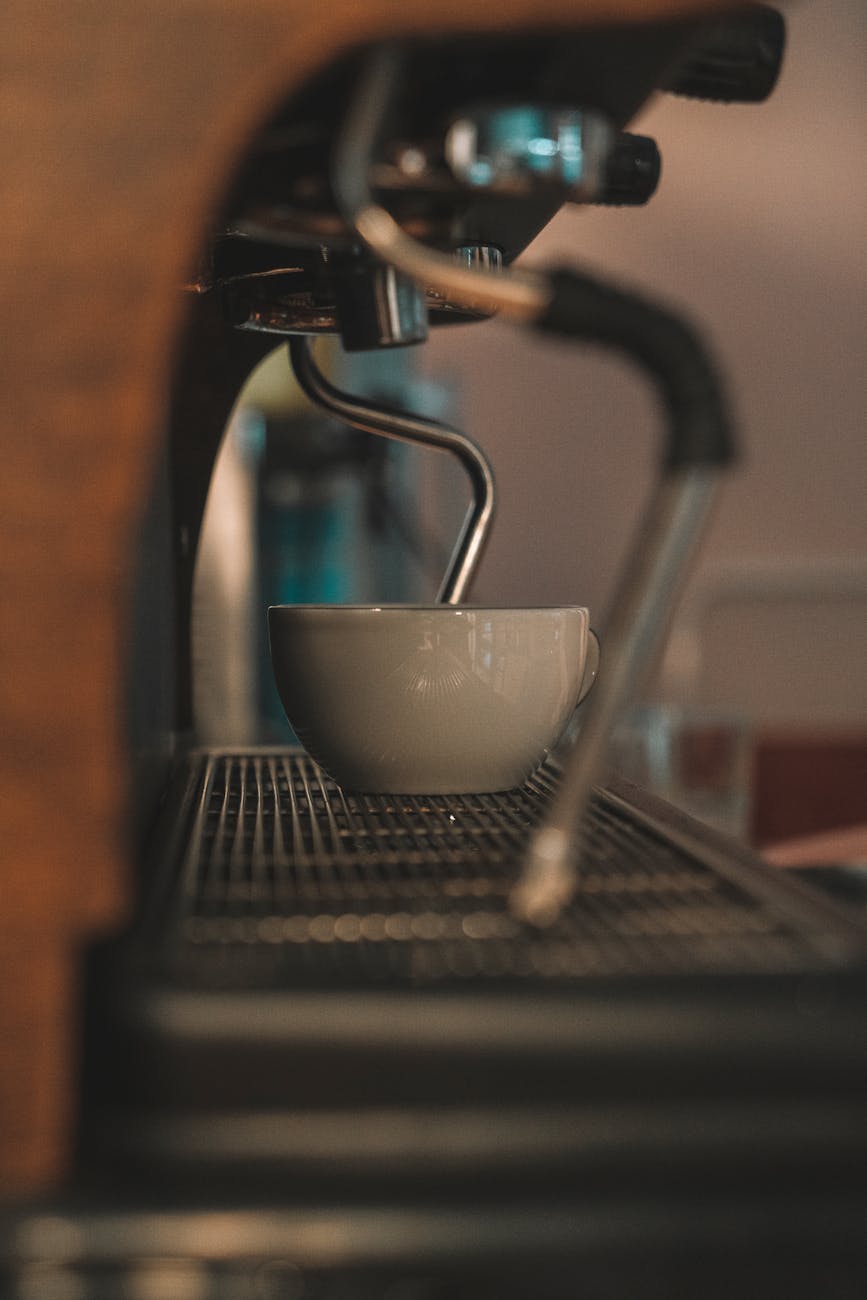
The Gaggia Classic Pro is a legendary machine, celebrated for its robust build and ability to produce true, cafe-quality espresso at home. As a single-boiler machine, however, it presents a unique challenge: maintaining temperature stability when pulling consecutive shots. Whether you’re entertaining guests or just need that second cappuccino for your partner, mastering a streamlined workflow is crucial. A clunky, inefficient process can lead to frustratingly inconsistent results, with one shot being perfect and the next sour or bitter. This article will dive deep into a proven workflow for the Gaggia Classic Pro. We will explore everything from initial preparation to the art of temperature management and quick post-shot resets, ensuring you can pull delicious, repeatable espresso shots, one after the other, with confidence.
Setting the stage for success
Before you even think about pulling your first shot, a little preparation goes a long way. An organized station is an efficient station. The goal is to eliminate frantic searching for tools mid-process, which is when temperature and timing go awry. Start by laying out everything you need for all the shots you plan to make. This includes your tamper, distribution tool (like a WDT), a scale, and at least two clean, dry filter baskets and towels—one for wiping the basket and another for purging the steam wand. Weigh out your coffee beans for each individual shot and place them in separate dosing cups. This simple act of pre-dosing saves precious seconds and prevents measurement errors when you’re under pressure. Finally, ensure your machine is fully heated for at least 15-20 minutes with the portafilter locked in. A properly heated group head and portafilter are non-negotiable for thermal stability.
The art of temperature surfing
This is the most critical skill for consistency on a single-boiler machine like the Gaggia Classic Pro. The machine operates with a simple thermostat that has a wide temperature range (the deadband). The heating element kicks on when the temperature drops to a certain point and switches off when it reaches the upper limit. To pull a shot at the same temperature every time, you must initiate the brew at the same point in this heating cycle. This is called temperature surfing.
Here’s a reliable method:
- Start the cycle: With the machine idle, flick the steam switch on for about 5-10 seconds. You are not trying to make steam; you are just tricking the boiler into heating up quickly. Then, turn the steam switch off.
- Wait for the light: The brew temperature ready light will turn off, indicating the heating element is engaged. Now, you wait. This is the perfect time to finish your puck prep (tamping, etc.).
- Time your shot: The moment the ready light turns back on, the boiler has reached its maximum temperature. This is your cue. Start a timer immediately. For darker roasts, you might pull the shot right away. For lighter roasts, you might wait 5-10 seconds for the temperature to cool slightly.
- Repeat for consistency: By starting your shot at the exact same point in the heating cycle every time—for example, 8 seconds after the light comes on—you create shot-to-shot thermal consistency that the machine cannot achieve on its own.
This technique transforms the Gaggia from a machine of guesswork into a precise espresso-making tool.
Your back-to-back shot workflow
With preparation and temperature surfing understood, let’s integrate them into a fluid, repeatable workflow for pulling two shots back-to-back. The key is to work in parallel, preparing the next shot while the current one is extracting. As soon as you lock in the portafilter for the first shot and begin your temperature surfing routine, your focus should partially shift to the next dose. While the first shot is pulling, you can grind the beans for the second shot. This minimizes downtime and keeps the machine’s temperature from drifting too far. Immediately after the first shot finishes, knock out the spent puck, quickly wipe the basket and group head screen with a brush, and you’re ready to dose your pre-weighed beans for shot number two. This seamless transition is the core of an efficient multi-shot workflow.
| Time | Action | Purpose |
|---|---|---|
| 0:00 – 0:45 | Grind, distribute, and tamp Shot 1. | Prepare the first puck. |
| 0:45 – 1:00 | Lock in portafilter. Start temperature surf. | Begin the heating cycle for optimal brew temp. |
| 1:00 – 1:30 | Pull Shot 1. While pulling, grind beans for Shot 2. | Multitasking to reduce downtime. |
| 1:30 – 1:45 | Stop shot. Knock out puck, wipe basket/screen. | Quickly reset the group head. |
| 1:45 – 2:30 | Dose, distribute, and tamp Shot 2. | Prepare the second puck. |
| 2:30 – 2:45 | Lock in portafilter. Start temperature surf again. | Re-establish the target brew temperature. |
| 2:45 – 3:15 | Pull Shot 2. | Extract the second consistent shot. |
Managing steam and cleanup
What if your consecutive drinks are milk-based, like lattes or cappuccinos? This adds a layer to the workflow. The best practice is to pull all of your espresso shots first, then switch the machine to steam mode and texture the milk for all drinks at once. Switching from brew to steam and back to brew is incredibly time-consuming and creates massive temperature instability. Pulling both shots first ensures consistency. After your final shot, flick on the steam switch. While it heats up, you can perform your final cleanup: knock out the last puck, rinse the portafilter, and give the group head a final flush by running the brew switch for a few seconds. By the time this is done, your machine will likely be ready to steam. This method not only produces better espresso but also streamlines your entire process from start to finish.
Mastering the Gaggia Classic Pro for consecutive shots is less about the machine’s limitations and more about the user’s technique. It’s a rewarding process that elevates you from a button-pusher to a true home barista. By embracing a philosophy of meticulous preparation, you eliminate stress and create a calm, efficient workspace. The cornerstone of consistency lies in actively managing the boiler through temperature surfing, a technique that gives you precise control over your extraction temperature. Integrating this with a fluid, parallel workflow—where you are always preparing the next step while one is in progress—drastically cuts down on time and temperature loss. Finally, by pulling all espresso before switching to steam, you prioritize shot quality and create a logical, repeatable sequence. With these tips, your Gaggia Classic Pro becomes a reliable workhorse for any occasion.
 No products in the cart.