

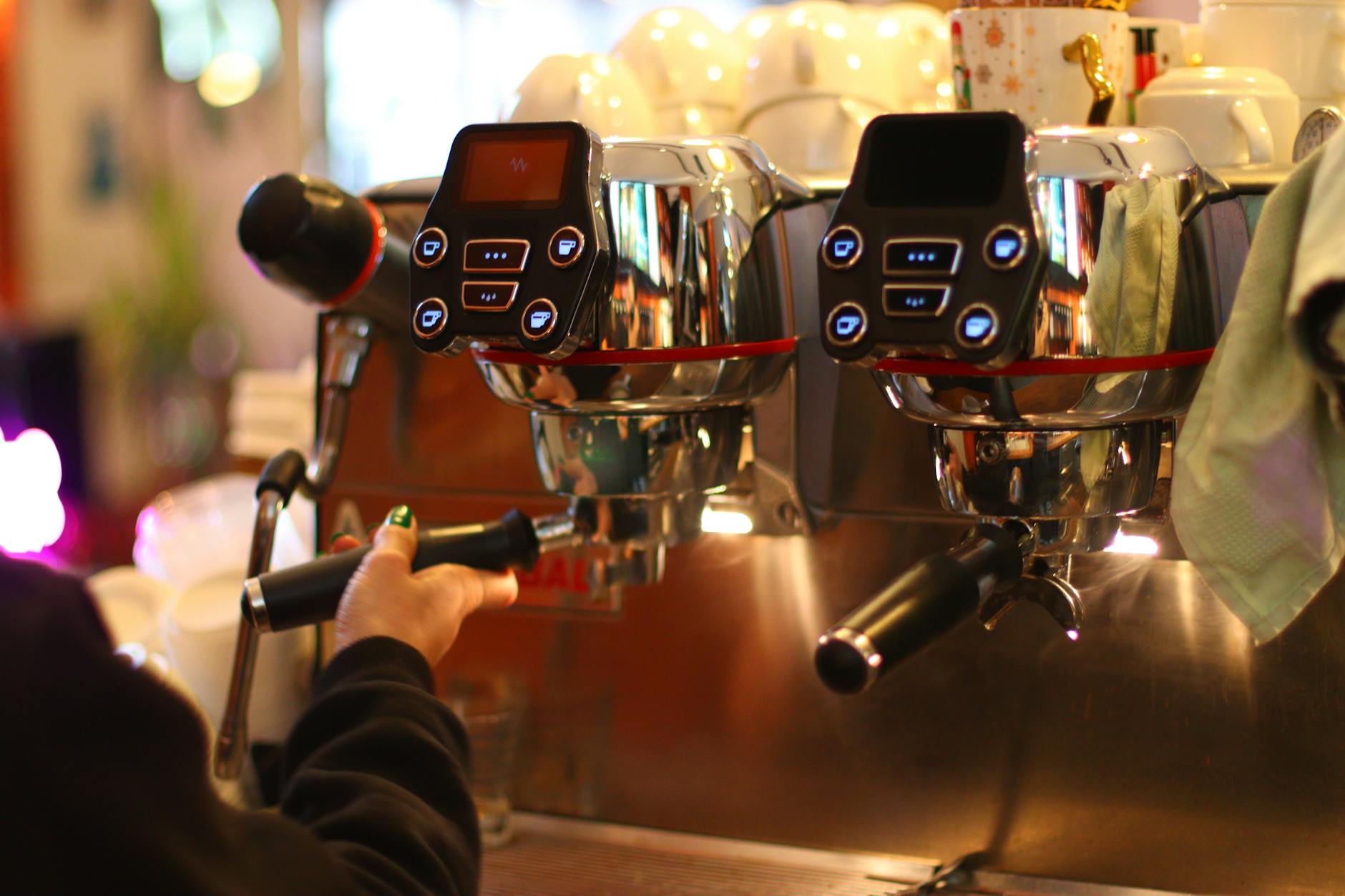
Why your super-automatic espresso tastes sour and how to fix it
You invested in a super-automatic espresso machine for the promise of convenient, one-touch barista-quality coffee at home. So why does the shot that lands in your cup have a sharp, wince-inducing sour taste? It’s a frustratingly common problem, but the good news is that it’s almost always fixable. That sour, acidic flavor is the number one sign of underextraction, a term that simply means the water didn’t pull enough of the good stuff out of your coffee grounds. This article will guide you through the reasons this happens and provide simple, step-by-step adjustments you can make to your beans, your machine’s settings, and your routine to finally brew a balanced, rich, and delicious espresso every time.
Understanding the culprit: Underextraction
Before we can fix the problem, it’s important to understand what’s happening inside your machine. Brewing espresso is an act of extraction. When hot, pressurized water is forced through your puck of coffee grounds, it dissolves and pulls out hundreds of flavor compounds. Think of it as a race. The first compounds to be extracted are acidic and sour. Next come the sweet, caramel, and chocolatey notes. Finally, the bitter compounds are pulled out.
A perfect espresso shot is a balanced harmony of all these flavors. Underextraction occurs when this process is cut short. The water flows through the coffee grounds too quickly, or isn’t hot enough, and only has time to grab those initial sour flavors before the brew cycle ends. You’re left with a cup that tastes acidic, thin, and unsatisfying. The opposite of this is overextraction, where the water spends too much time with the coffee, pulling out too many of the latter-stage compounds and resulting in a harsh, bitter, and hollow taste. For super-automatic users, sourness is a far more common complaint than bitterness.
It starts with the beans: Choosing the right coffee
The type of coffee you put in your hopper has a massive impact on the final taste, especially with the unique mechanics of a super-automatic machine. While third-wave cafes often praise light roasts for their bright, acidic, and floral notes, these beans are notoriously difficult to extract properly and are a primary cause of sour shots in automated machines.
- Roast level: Lightly roasted beans are much denser and less soluble than their darker counterparts. A super-automatic machine, with its fixed brew parameters, often struggles to extract the deep sweetness from them, leaving you with pure acidity. For best results, opt for a medium, medium-dark, or dark roast. These beans are more porous and soluble, making it much easier for your machine to extract a balanced flavor profile.
- Oily beans: Be cautious with extremely dark, oily roasts. While they are easy to extract, the excessive oils can wreak havoc on your machine’s internal grinder. These oils build up on the burrs and in the chute, causing clogs, inconsistent grinding, and eventually, underextraction. The sweet spot is often a medium-dark roast that has a rich color but only a light sheen of oil.
- Freshness: Always use fresh, whole beans. Coffee begins to lose its flavor and aroma compounds shortly after roasting. Aim for beans that have a “roasted on” date within the last few weeks for the best possible flavor.
Dialing in your machine: Key settings to adjust
This is where you take control. Your super-automatic machine offers several crucial adjustments that directly combat underextraction. The key is to change one setting at a time so you can accurately gauge its effect on the taste.
Your primary weapon against sourness is the grind size. Almost every super-automatic machine has a dial or lever, usually inside the bean hopper, to adjust how finely the beans are ground. The principle is simple: a finer grind creates more surface area for the water to interact with and provides more resistance, slowing down the flow of water. This increased contact time allows the water to extract the sweeter compounds beyond the initial sours.
Important: Only ever adjust your grinder when it is in operation to avoid jamming the mechanism. Make a small, one-notch adjustment toward a finer setting, brew two or three shots to let the change take effect, and taste the result.
Other critical settings include:
- Coffee strength/dose: Often represented by bean icons on the display, this setting controls how much coffee is ground for each shot. Increasing the dose (e.g., from 3 beans to 5 beans) puts more coffee in the brew chamber. This denser puck slows the water down, increasing extraction and reducing sourness.
- Water temperature: If your machine allows it, set the water temperature to the highest setting. Water that is too cool is inefficient at extraction. A hotter temperature will help dissolve more flavor solids from the grounds, leading to a richer, less acidic taste.
- Brew volume: While less impactful than grind or dose, the amount of water used matters. A sour shot that is also watery (a “lungo”) is a sure sign of underextraction. Try programming a slightly shorter shot volume to create a more concentrated and balanced espresso.
Troubleshooting summary table
Use this table as a quick reference guide to diagnose and solve your sour espresso issues.
| Symptom | Probable Cause (Underextraction) | How to Fix It |
|---|---|---|
| Espresso tastes very sour and acidic. | The grind is too coarse, letting water pass through too quickly. | Adjust the grinder to a finer setting (one notch at a time). |
| Espresso is sour and tastes weak or thin. | The coffee dose is too low for the amount of water. | Increase the coffee strength/aroma setting on your machine. |
| Espresso is sour and not very hot. | The water temperature is too low to extract flavor properly. | If available, set the brew temperature to its highest level. |
| Taste is inconsistent, sometimes sour, sometimes okay. | A dirty machine (grinder or brew group) is causing channeling or poor extraction. | Perform a full cleaning cycle, descale if prompted, and manually clean the brew group. |
The finishing touches: Cleaning and water
Even with perfect beans and dialed-in settings, a neglected machine will never produce great coffee. Old coffee grounds and oils accumulate in the brew group and grinder, turning rancid and imparting unpleasant flavors. More importantly, this buildup can cause “channeling,” where water punches a hole through the coffee puck instead of saturating it evenly, leading to severe underextraction.
Follow your machine’s recommended cleaning schedule diligently. This includes running cleaning cycles with tablets, descaling when prompted, and—if your model has one—removing and rinsing the brew group weekly. Finally, consider your water. Hard water creates scale buildup that can insulate the heating element, preventing it from reaching the optimal temperature. Using filtered water not only protects your machine but provides a clean, neutral base for a more consistent and delicious extraction.
A sour shot of espresso from your super-automatic machine isn’t a sign that it’s broken; it’s a signal that your recipe is out of balance. By understanding that sourness is caused by underextraction, you hold the key to fixing it. The solution lies in a methodical approach: start by choosing the right coffee beans, favoring a medium to dark roast that is not excessively oily. Then, turn your attention to the machine’s settings, making small, single adjustments to find the sweet spot. Your most powerful tool is the grind setting—a finer grind will almost always reduce sourness. Combine this with an increased coffee dose and the highest temperature setting, and you are well on your way to a perfect shot. Don’t forget that a clean, well-maintained machine is the foundation for any good coffee. With a little patience and a few simple tweaks, you can leave sour espresso behind and finally enjoy the rich, balanced, and convenient coffee you’ve been craving.
 No products in the cart.