

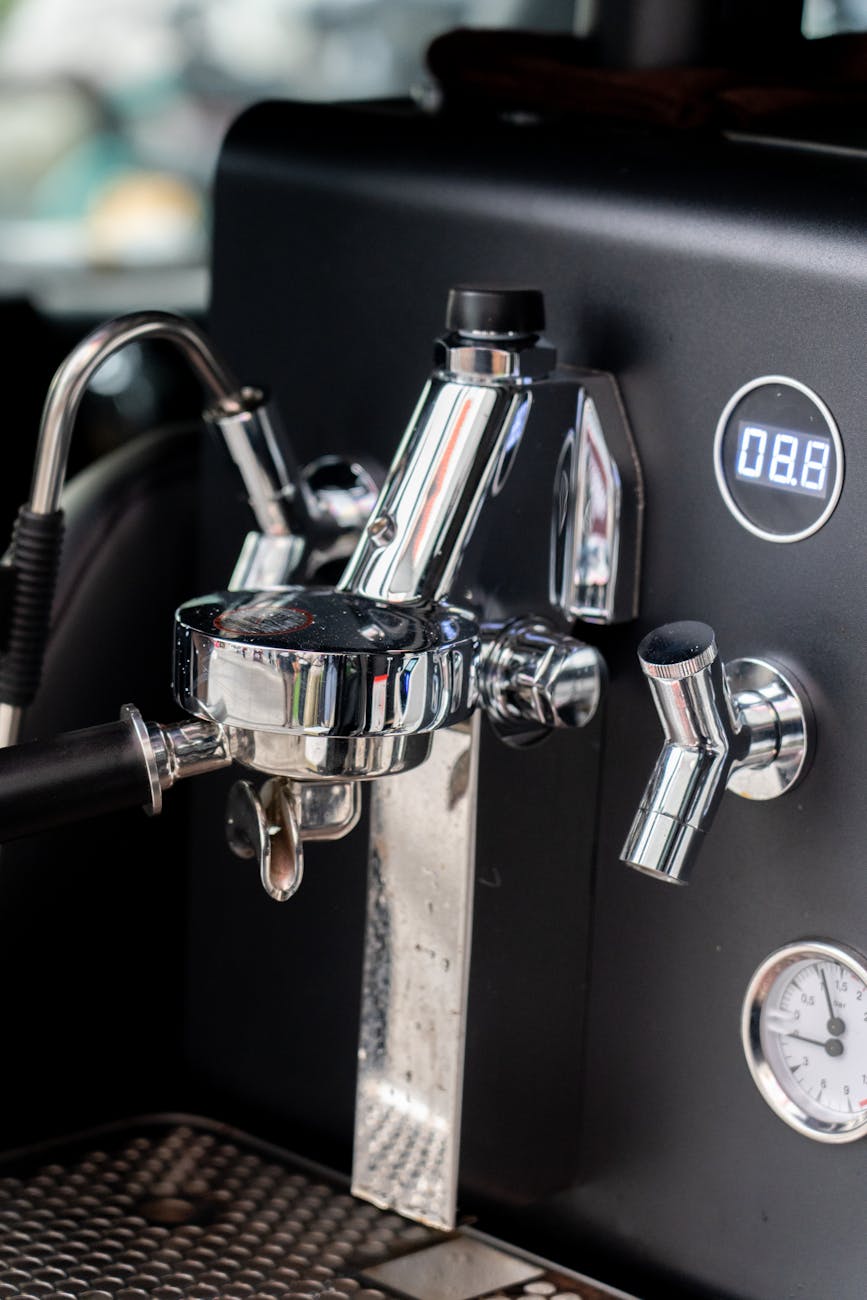
Why your Gaggia portafilter is hard to lock in and how to fix it
There’s a certain satisfaction in twisting the portafilter into your Gaggia espresso machine, feeling it lock firmly into place, ready to pull a perfect shot. But what happens when that smooth action becomes a struggle? A portafilter that’s suddenly hard to turn is a common frustration for many Gaggia owners, from the iconic Gaggia Classic Pro to other models. This isn’t just an annoyance; it can impact your espresso quality and potentially damage your machine. The good news is that the cause is usually simple and easy to fix. This article will guide you through the most common culprits, from your coffee dosing technique to a worn-out group head gasket, and provide clear, actionable steps to get your machine working smoothly again.
The most common culprit: Your coffee dose and preparation
Before you start thinking about ordering new parts, let’s look at the most frequent reason for a stubborn portafilter: the coffee itself. The space inside the group head is precisely engineered. Even a small amount of extra coffee can prevent the portafilter from locking in correctly. This is often the case if you’ve recently changed your coffee beans, grinder, or are using a new basket.
First, check your dose. Overfilling the basket is the number one cause of this issue. If the coffee puck touches the shower screen before you even start brewing, there simply won’t be enough room for the portafilter to lock. After tamping, there should be a small gap between the surface of the coffee and the top of the basket. You can test this with the “coin test”: place a small coin on top of your tamped puck, lock in the portafilter, and then remove it. If the coin has left an indentation, your dose is too high.
Another related issue is stray grounds. Always wipe the rim of your filter basket before inserting it into the group head. Even a few tiny grounds on the rim can create enough resistance to make locking difficult and can also damage your group head gasket over time.
The group head gasket: When to clean and when to replace
If you’ve ruled out dosing issues, the next component to inspect is the group head gasket. This small but crucial rubber or silicone ring creates the seal between your portafilter and the group head, ensuring high-pressure water is forced through the coffee puck and not out the sides. Over time, this gasket can cause problems in two ways.
- Old and hardened gasket: With constant exposure to heat and pressure, an old gasket can become hard, brittle, and caked with coffee oils. A hardened gasket loses its flexibility, making it much more difficult to create a seal. You’ll have to apply excessive force to lock the portafilter, and you might also notice leaking around the portafilter during brewing.
- New and stiff gasket: Ironically, a brand-new gasket can also make the portafilter tight. New rubber or silicone is less pliable and needs a “break-in” period. If you’ve just replaced your gasket, a bit of extra resistance is normal and should ease up after a week or two of regular use.
Replacing a Gaggia gasket is a straightforward maintenance task. They are inexpensive and readily available. If your gasket is more than a year old and feels hard to the touch, it’s time for a replacement. A fresh, pliable gasket not only makes locking in easier but also ensures a better seal for optimal extraction.
Checking your equipment: Is the portafilter or basket the problem?
While less common, the issue can sometimes lie with the portafilter or the basket itself. This is particularly relevant if you are using third-party or aftermarket accessories. While many are made to high standards, slight variations in manufacturing tolerances can lead to a less-than-perfect fit with your Gaggia’s group head.
Inspect the “ears” or lugs on your portafilter. These are the metal tabs that slide into the channels of the group head to lock it in place. Look for any signs of bending, warping, or unusual wear. A damaged lug can prevent the portafilter from seating correctly. Similarly, check your filter basket. Ensure it’s sitting flush and level within the portafilter. A warped or dented basket might sit slightly proud, mimicking the effect of an overdosed coffee puck.
If you suspect an equipment issue, try this simple test: attempt to lock in the portafilter without a basket inside it. If it locks in smoothly, the problem is very likely related to your basket or your coffee dose. If it’s still tight even when empty, the focus should shift back to the group head gasket or the portafilter itself.
A simple maintenance schedule for a happy machine
Preventing a stiff portafilter is all about regular, simple maintenance. By keeping the key components clean, you prevent the buildup of coffee oils and grounds that are the primary cause of friction and hardness. A little bit of care goes a long way in ensuring your Gaggia operates as smoothly as the day you bought it. Integrating these tasks into your routine will not only solve the tight portafilter issue but also improve the taste of your espresso and extend the life of your machine.
Here is a basic maintenance checklist you can follow:
| Task | Frequency | Why it helps |
|---|---|---|
| Wipe basket rim and group head | Every shot | Prevents stray grounds from creating friction and damaging the gasket. |
| Water backflush | Daily | Rinses coffee oils and loose grounds from the group head and shower screen. |
| Chemical backflush | Every 2-4 weeks | Deep cleans built-up, rancid coffee oils that water alone can’t remove. |
| Inspect and clean gasket | Weekly | Use a soft brush to gently scrub the gasket, ensuring it’s free of debris. |
| Replace group head gasket | Every 6-12 months | Ensures a flexible, effective seal and prevents hardness from developing. |
Facing a Gaggia portafilter that’s hard to lock in is a common rite of passage for many home baristas. Fortunately, the solution is rarely complicated or expensive. By methodically checking the most likely causes, you can quickly diagnose and fix the problem. Start with the simplest fix: review your dosing and tamping technique to ensure you aren’t overfilling the basket. Next, inspect the group head gasket for signs of age or debris. This small part is often the silent culprit. Finally, confirm your equipment is in good shape. By following these troubleshooting steps and adopting a simple maintenance routine, you’ll resolve the issue and keep your machine in top condition, ensuring a smooth workflow and delicious espresso for years to come.


 No products in the cart.