

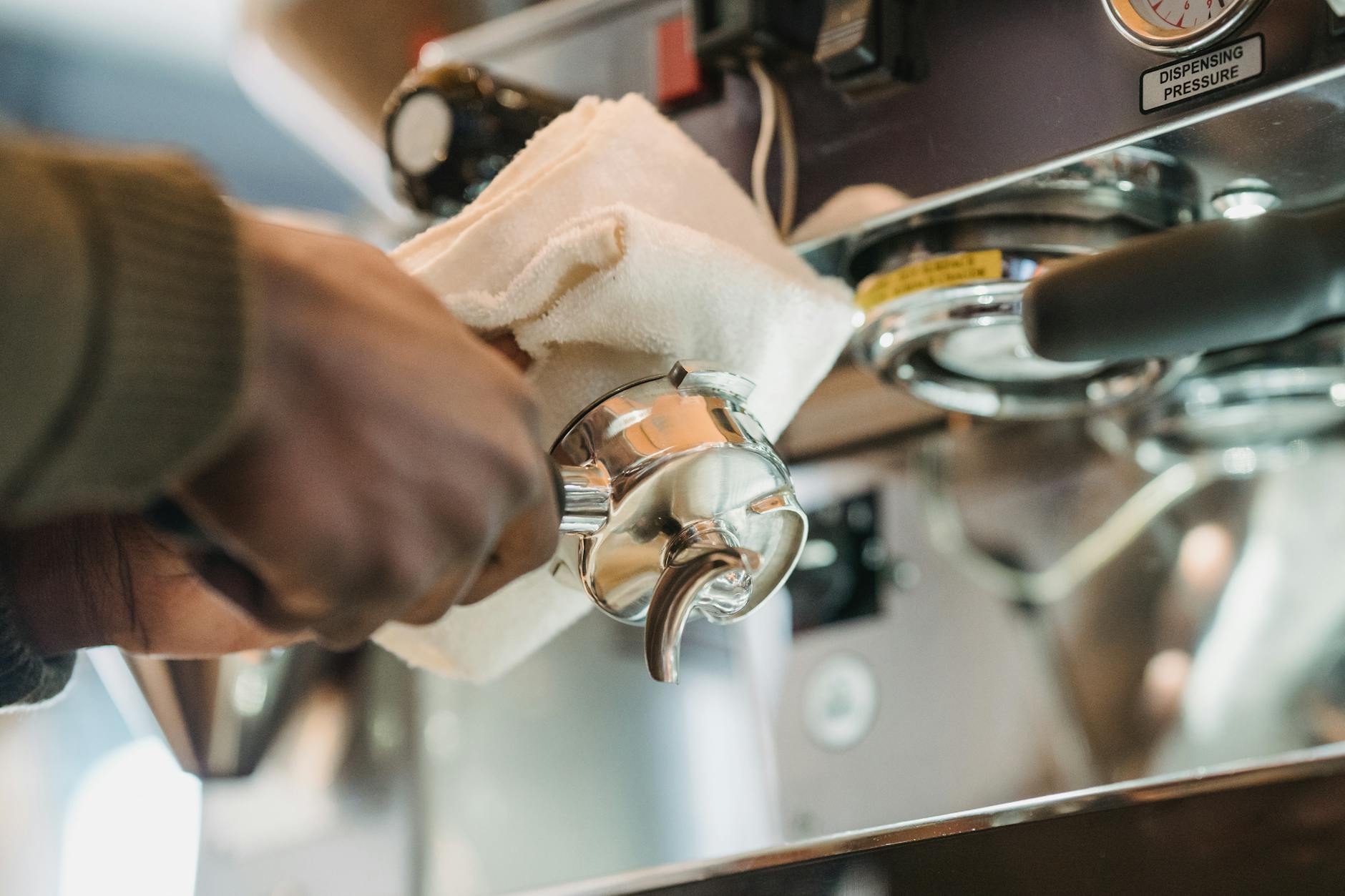
The iconic Faema E61 group head is a marvel of espresso engineering, beloved for its thermal stability and classic design. However, even the most robust machines need maintenance. One of the most common and alarming issues for owners is discovering a persistent drip or a steady stream of water leaking from the bottom of the group head, specifically from the lower discharge manifold. This isn’t just an annoyance that creates a mess on your counter; it can be a symptom of internal wear that affects your machine’s performance and pressure stability. This article will demystify this common problem, guiding you through the mechanics of the E61’s exhaust system, identifying the primary culprits behind the leak, and providing a clear path to diagnosing and fixing it yourself.
Understanding the E61’s pressure and exhaust cycle
Before you can fix the leak, it’s essential to understand why that bottom spout is there in the first place. The E61 group head uses a complex system of mechanical valves operated by the brew lever to control the flow of water. This isn’t just a simple on/off switch. When you lift the lever to start a shot, a cam inside the group head opens the brew valve, allowing pressurized hot water to flow to the coffee puck. Critically, at the same time, this cam action closes a separate valve at the bottom of the group—the drain or exhaust valve. This ensures that all the pressure is directed through your coffee.
When you finish your shot and lower the lever, the magic of the three-way system happens. The cam rotates back, closing the brew valve to stop the flow from the boiler, and simultaneously opening the drain valve. This instantly relieves the built-up pressure in the portafilter, channeling the excess water and coffee grounds away through that bottom discharge manifold and into your drip tray. This “sneeze” is what gives you a dry, easy-to-knock-out puck. A leak during the brewing process means this drain valve is not sealing completely when it’s supposed to.
The primary culprits: Worn gaskets and seals
In over 90% of cases, a leak from the bottom manifold during brewing is caused by a worn-out seal in the drain valve. Inside the E61 group head are several small valves, typically made of brass or stainless steel, which seal against rubber or Viton gaskets. The drain valve is the lowest one in the assembly. Over hundreds of heat cycles and constant exposure to high-pressure water, these small, circular gaskets inevitably degrade.
They can become hard and brittle, develop cracks, or simply compress to the point where they no longer create a watertight seal against the valve seat. When you lift the brew lever, nine bars of pressure search for the path of least resistance. If the drain valve seal is compromised, a portion of that brew water will force its way past the seal and out the bottom spout instead of going through your coffee. Limescale buildup can also be a factor, as mineral deposits can form on the valve or its seat, preventing the gasket from sealing properly.
A deeper mechanical issue: The cam and lever
While worn seals are the most common cause, the problem can sometimes be more mechanical. The internal valves are opened and closed by pins that are pushed by a rotating cam connected to your brew lever. This cam has specifically shaped lobes that dictate the timing and operation of the valves. Over many years of use, this cam and the flat ends of the valve pins it pushes against can wear down.
If the lobe on the cam that is responsible for holding the drain valve shut becomes worn, it may no longer be able to apply sufficient pressure to create a perfect seal. You might notice the leak is worse when the lever is in a specific position. In this scenario, even if you replace the gaskets, the leak might persist because the mechanical components are no longer engaging with the correct tolerances. Inspecting the cam for a flattened or grooved surface during a rebuild is a crucial diagnostic step that is often overlooked.
Diagnosing and fixing the leak
Troubleshooting this issue is a straightforward process of elimination. The first step is to confirm exactly when the leak occurs. If it only drips a little after you’ve finished a shot, that’s normal residual drainage. If it leaks steadily while the pump is running and the lever is up, you have a problem with the drain valve seal.
Fixing it involves disassembling the group head to access the valves. While it may sound intimidating, it’s a very manageable task for most home users. You’ll need a basic E61 group head rebuild kit, which includes all the necessary gaskets, seals, and springs. You will also need a couple of appropriately sized wrenches and some food-safe lubricant.
The general process involves:
- Turning off, unplugging, and cooling down your machine.
- Unscrewing the front nut/sleeve of the group head to access the cam and valve assembly.
- Carefully removing the valve assemblies, paying close attention to their order and orientation.
- Replacing the old, hardened gaskets with the new ones from your kit.
- Thoroughly cleaning all components of coffee residue and scale.
- Inspecting the cam for wear.
- Lubricating the new gaskets and moving parts with food-safe grease before reassembly.
Here is a simple breakdown of the troubleshooting process:
| Symptom | Likely Cause | Solution |
| Steady drip or stream from bottom spout during brewing (pump on). | Worn drain valve gasket or scale buildup. | Disassemble group head, clean components, and replace all valve gaskets with a rebuild kit. |
| Leak persists after replacing gaskets. | Worn cam lobe or valve pin. | Inspect cam and valve pins for wear. Replace if flattened or grooved. |
| Slow drip when machine is idle and hot. | Worn brew valve or pre-infusion valve gasket. | The full valve rebuild (as described above) will also fix this issue. |
A leaky E61 group head can be disheartening, but it’s rarely a catastrophic failure. The issue almost always originates from the drain valve within the group’s three-way valve system, which is designed to relieve pressure after a shot. This leak during brewing is a clear sign that the internal seals, particularly the drain valve gasket, have reached the end of their service life due to heat, pressure, and age. In less common cases, the mechanical wear on the lever’s internal cam can be the culprit. Fortunately, the E61 was designed to be serviced. With a simple rebuild kit and a little bit of patience, you can easily replace these worn components, restoring the integrity of your machine and ensuring every bit of pressure is used to brew delicious espresso, not to create a puddle.

 No products in the cart.