

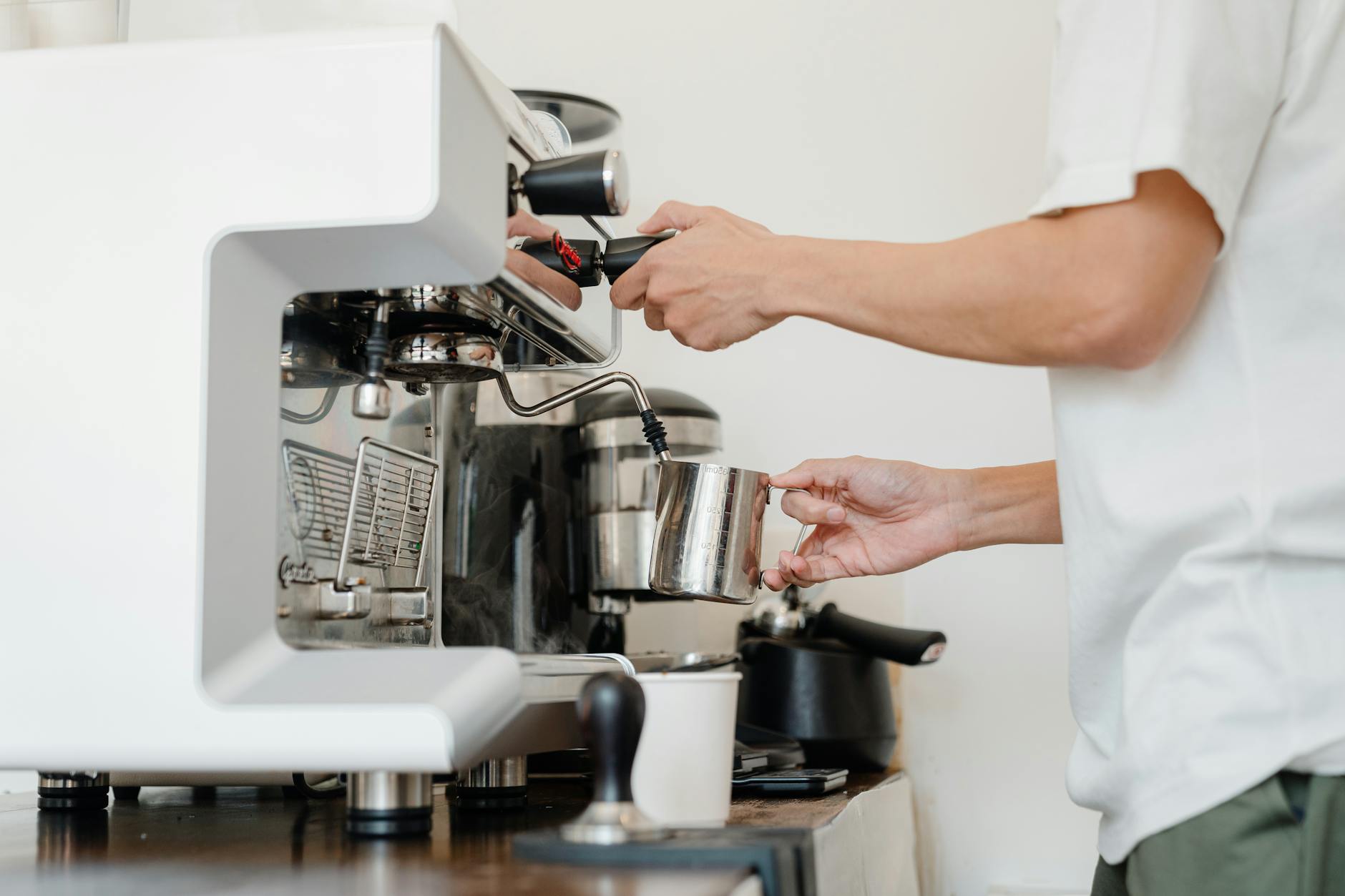
Why your Delonghi ECP3420 steam wand has low pressure (and how to fix it)
The DeLonghi ECP3420 is a fantastic entry-level espresso machine that punches well above its weight, allowing home baristas to pull rich shots of espresso. However, a common frustration many users encounter is a sudden or gradual drop in steam wand pressure. You’re ready to create a silky, frothy cappuccino or latte, but all you get is a weak hiss and bubbly milk. This issue can ruin your coffee experience, but the good news is that it’s often easy to fix. This guide will walk you through the most common causes of low steam pressure on your ECP3420, from simple blockages to routine maintenance you might have overlooked. We will explore step-by-step solutions to restore your machine’s power.
The usual suspects: Simple clogs and blockages
Before you start worrying about serious mechanical failures, the most frequent culprit behind a weak steam wand is a simple clog. Milk contains fats and proteins that, when heated, can quickly dry and harden inside the steam wand’s tip. Even a microscopic blockage in the tiny hole(s) can drastically reduce pressure. This is the first place you should always check.
Luckily, cleaning it is straightforward. Following a consistent cleaning routine is the best way to prevent this problem entirely.
- Purge before and after: Always run the steam for a couple of seconds before steaming your milk to clear out any residual water. Crucially, do the same thing immediately after you finish steaming to blast out any milk that has been sucked into the wand.
- Wipe it down: After purging, use a dedicated damp cloth to wipe the exterior of the wand clean. Don’t let milk dry on the surface.
- Deep clean the tip: The ECP3420 has a plastic Panarello frother that covers the metal tip. Pull this plastic sheath off. You will see a small metal tip with a single hole. Use the pin tool that came with your machine (or a straightened paperclip) to carefully poke into the hole and dislodge any hardened milk. For a deeper clean, soak the plastic Panarello and the tip (if it unscrews) in hot water for about 20 minutes to dissolve any stubborn residue.
Performing these simple steps regularly will solve the majority of low-pressure issues and keep your machine in top condition.
Limescale buildup: The silent performance killer
If cleaning the wand tip didn’t solve the problem, the next logical suspect is an internal blockage caused by limescale. Every time you use your machine, mineral deposits from your water (calcium and magnesium) are left behind. Over time, these deposits build up inside the boiler, pump, and tubing, creating a hard scale. This limescale acts like cholesterol in your machine’s arteries, restricting water flow and insulating the heating element. When the machine can’t heat water efficiently or push it through the system, your steam power will plummet.
The solution is descaling. This isn’t just a suggestion in the manual; it’s essential maintenance, especially if you live in a hard water area.
For the ECP3420, you should use a dedicated coffee machine descaling solution, not plain vinegar, as the acid in vinegar can be too harsh for the aluminum components and rubber seals inside. Follow the instructions on the descaler packaging, which typically involves running the solution through the machine’s brew head and steam wand. Regular descaling—every 2-3 months depending on use and water hardness—is the single best preventative measure you can take to ensure long-lasting performance and powerful steam.
Technique and temperature: Are you giving it enough time?
Sometimes the issue isn’t a fault with the machine, but rather the technique used to operate it. The DeLonghi ECP3420 is a single-boiler machine. This means it uses the same heating element (a thermoblock, in this case) for both brewing espresso and creating steam, but it cannot do both at the same time. Brewing happens at a lower temperature (around 90-95°C) while steaming requires a much higher temperature (above 100°C).
A common mistake for new users is trying to steam milk too soon. Here is the correct process:
- After brewing your espresso, press the steam button. The indicator light will flash, showing the machine is heating up to steam temperature.
- Wait for the light to go solid. This is the most important step. It signals that the thermoblock has reached the correct temperature to produce powerful, dry steam.
- Once the light is solid, open the steam valve for a few seconds to purge any trapped hot water. You’ll see it sputter water first, then transition to pure steam.
- Now, you are ready to steam your milk.
If you start steaming while the light is still flashing, you will be forcing hot water into your milk instead of steam, resulting in a weak, bubbly mess and no pressure.
When it’s more than just a simple fix
You have cleaned the wand tip, descaled the entire machine, and perfected your technique, but the steam pressure is still weak. At this point, you might be dealing with a more significant hardware issue. While less common, parts can wear out or fail over time. The problem could be a malfunctioning thermostat that isn’t allowing the boiler to get hot enough, or a weakening pump that can no longer generate sufficient pressure to force the steam out.
These issues are more complex and typically require a technician to diagnose and repair. Tampering with the internal electronics or pump without experience can be dangerous and may cause further damage. If you’ve exhausted all the user-friendly solutions, it’s best to contact DeLonghi customer support or a certified appliance repair service. Before you call, it’s helpful to summarize the problem and the steps you’ve already taken.
Here is a quick troubleshooting table to summarize the potential issues and their solutions:
| Symptom | Potential Cause | Solution | Difficulty |
|---|---|---|---|
| No steam or a weak hiss. | Clogged steam wand tip. | Remove Panarello and clean the tip with a pin. Soak in hot water. | Easy |
| Pressure has slowly decreased over time. | Internal limescale buildup. | Perform a full descaling cycle with a proper solution. | Easy |
| Watery steam, not powerful. | Incorrect operating technique. | Wait for the steam indicator light to stop flashing before steaming. Purge water first. | Easy |
| No improvement after cleaning and descaling. | Failing pump, thermostat, or other internal component. | Contact DeLonghi support or a professional repair service. | Advanced |
Conclusion
Dealing with a DeLonghi ECP3420 steam wand with low pressure can be disheartening, but it’s rarely a sign of a dead machine. In most cases, the issue stems from one of three areas: a physically blocked wand tip, an internal buildup of limescale, or an improper heating technique. By diligently cleaning the wand after each use, committing to a regular descaling schedule, and ensuring your machine is fully heated before you begin, you can solve and prevent nearly all steam-related problems. These maintenance habits are key to a long and happy life for your espresso machine. If these steps fail, it may be time for professional help, but for most users, these fixes will restore your steam power.


 No products in the cart.