

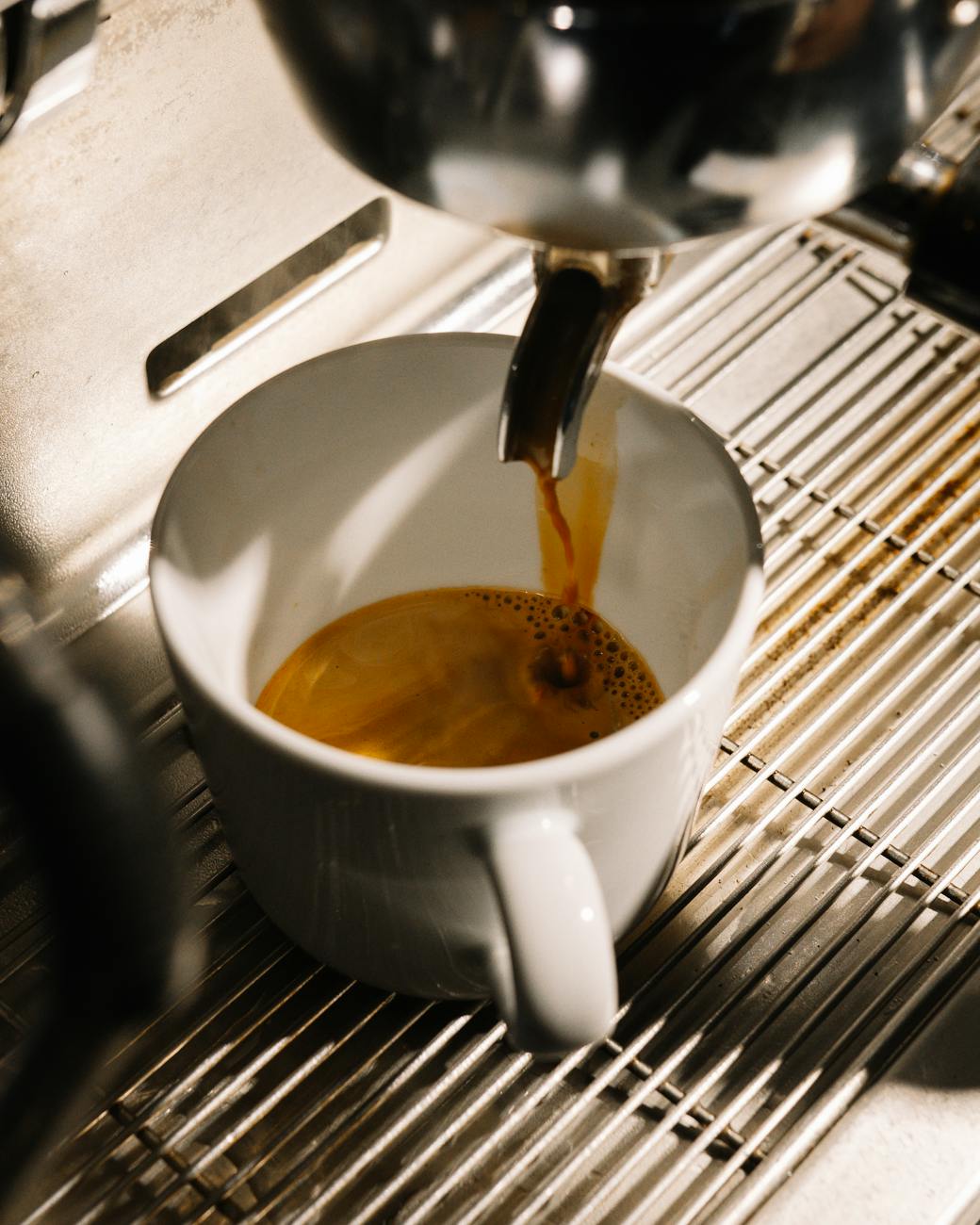
There’s nothing quite like the rich, aromatic promise of a freshly brewed espresso. But what happens when that first sip is overwhelmingly bitter? If you’re a fan of The Coffee Bean & Tea Leaf, you may have occasionally experienced this disappointing flavor in your Americano or latte. While you might be tempted to blame your taste buds, the bitterness is often a sign of something going wrong during the brewing process. It’s a common issue that can turn a much-anticipated coffee break into a letdown. This article will delve into the common culprits behind that bitter espresso at Coffee Bean & Tea Leaf, from the beans themselves to the barista’s technique, and most importantly, show you exactly how to order your drink to ensure a smooth, balanced, and delicious experience every time.
The anatomy of a bitter shot
At its core, a bitter espresso is almost always a result of over-extraction. Think of brewing coffee like making tea. If you leave the teabag in the water for too long, the tea becomes harsh and bitter. The same principle applies to espresso. Coffee grounds contain a wide array of flavor compounds that dissolve into water at different rates. The sweet, acidic, and nuanced flavors come out first. The more bitter, dry, and astringent compounds are extracted last.
When an espresso shot is “pulled” for too long, or the water passes through the coffee grounds too slowly, it over-extracts these less desirable compounds, leading to that telltale bitterness. Several factors in a busy café environment can contribute to this:
- Grind size: If the coffee is ground too finely, it creates more resistance, slowing down the water and extending the extraction time.
- Water temperature: Water that is too hot can scorch the grounds and extract bitter elements more aggressively.
- Brew time: A standard double espresso shot should ideally be extracted in about 25-30 seconds. Anything significantly longer is a red flag for over-extraction.
In a high-volume chain like Coffee Bean & Tea Leaf, maintaining perfect consistency across every single shot is a significant challenge, making occasional over-extraction a likely culprit for that bitter taste.
Bean choice and roast profile at Coffee Bean & Tea Leaf
The journey to your final cup starts with the coffee bean itself. Like many large coffee chains, Coffee Bean & Tea Leaf typically uses a dark roast for its signature espresso blend. There’s a very practical reason for this. A darker roast creates a bold, strong flavor profile that is robust enough to stand up to the milk and sugar in popular drinks like lattes and flavored cappuccinos. If they used a lighter roast, the delicate coffee notes would be completely lost.
However, the roasting process directly impacts flavor. As coffee beans are roasted longer, their natural sugars caramelize and eventually begin to carbonize. This process reduces the coffee’s natural acidity and develops the deep, roasty, and smoky flavors characteristic of a dark roast. While delicious when balanced, these are the very flavor profiles that can easily tip over into bitterness. A dark roast has a narrower margin for error during brewing; it’s inherently more prone to tasting bitter if it becomes even slightly over-extracted compared to a lighter, more acidic roast.
Machine calibration and barista technique
Even with the perfect beans and grind, the final taste of your espresso rests in the hands of the barista and their equipment. The commercial espresso machines used in cafes are complex pieces of machinery that require regular maintenance and calibration to perform consistently. The water pressure, temperature, and shot volume must all be dialed in perfectly. In a busy store, if a machine’s calibration drifts even slightly, it can have a major impact on every drink served, often leading to over-extraction and bitterness.
The human element is just as crucial. A well-trained barista is an artist, but consistency can be tough during a morning rush. An inconsistent tamp (the pressure used to press the coffee grounds into the portafilter), a forgotten flush of the group head, or simply letting the shot run a few seconds too long can be the difference between a fantastic espresso and a bitter one. This is often why your coffee might taste perfect one day and disappointing the next, even from the same location. The combination of machine variables and human technique creates a complex equation that must be solved correctly for every single shot.
How to order a better-tasting espresso
Now that you understand why your espresso might be bitter, you can take control of your order. You don’t have to settle for a subpar drink. By making a few simple adjustments to how you order, you can guide the barista toward pulling a shot that’s more balanced and suited to your palate. The key is to reduce the chance of over-extraction. Politely communicating your preference can make all the difference.
Here are some specific things you can ask for:
- Order a ristretto shot: A ristretto is a “restricted” shot, meaning it’s pulled with the same amount of coffee but about half the amount of water. This results in a shorter extraction time, capturing the sweetest parts of the coffee before the bitter compounds emerge. It’s more concentrated and less bitter by nature.
- Ask for your shot to be pulled fresh: Sometimes in a rush, baristas pull shots in advance that sit for a minute before being used in a drink. This allows the espresso to oxidize and develop a more acrid taste. Asking for a fresh shot ensures you’re getting it at its peak.
- Specify the number of shots: If you find a large drink too bitter, it might be due to multiple over-extracted shots. Try ordering a smaller size or ask for one less shot of espresso than the standard recipe calls for.
This simple table can help you decide what to try on your next visit:
| If your drink is… | Try ordering this instead… | Why it works |
|---|---|---|
| A bitter Americano | An Americano with ristretto shots | Reduces bitterness by shortening extraction time. |
| A straight Espresso | A single or double ristretto | Provides a sweeter, more concentrated flavor. |
| A large Latte that tastes “burnt” | A large Latte with one less shot of espresso | Lowers the overall coffee intensity and potential bitterness. |
In conclusion, that unwelcome bitterness in your Coffee Bean & Tea Leaf espresso is not just your imagination. It’s a real issue rooted in the science of coffee extraction. The primary cause is over-extraction, a phenomenon influenced by the chain’s signature dark roast profile, the precise calibration of the espresso machines, and the on-the-spot technique of the barista. A dark roast, while bold and great for milk-based drinks, has a very slim margin for brewing error before it turns bitter. But armed with this knowledge, you are no longer a passive recipient of a disappointing coffee. By making simple, informed requests—like asking for a ristretto shot or ensuring your espresso is pulled fresh—you can actively guide your coffee experience toward a smoother, sweeter, and more enjoyable result.
 No products in the cart.