

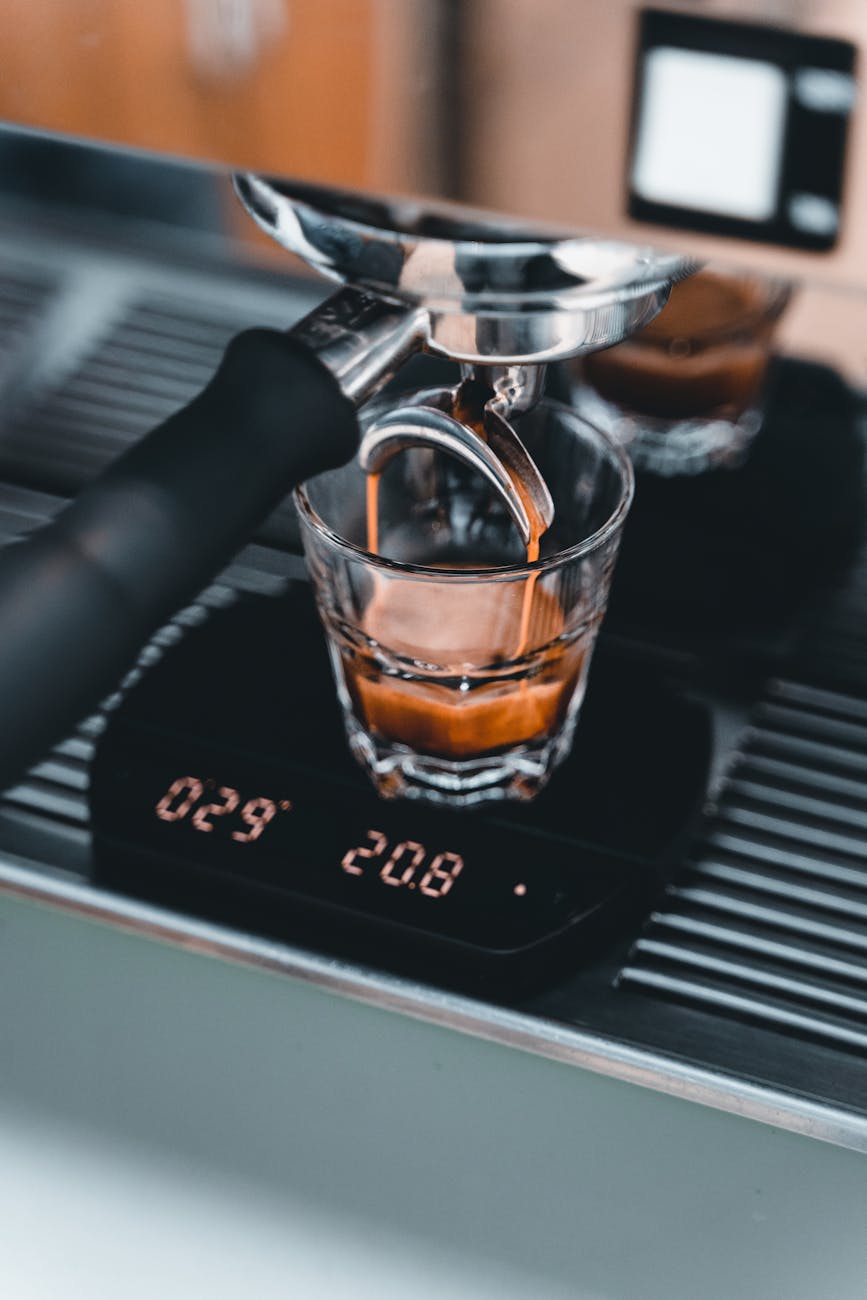
There’s nothing quite like the promise of a rich, aromatic espresso to start your day, especially when you’re using your favorite CBTL beans. But there’s also nothing more disappointing than watching that shot gush out of the machine in 10 seconds, landing in your cup as a pale, watery, and sour mess. This is the classic sign of a fast extraction, a common problem that plagues home baristas. It indicates that the water is rushing through the coffee grounds without enough resistance to pull out the deep, sweet flavors we crave. In this guide, we will break down exactly why your espresso is pulling too quickly and provide a step-by-step process to slow it down, transforming your brew from lackluster to luxurious.
Understanding the signs of a fast extraction
Before we can fix the problem, we need to be certain we’ve diagnosed it correctly. A fast espresso shot, often called an “under-extracted” shot, has several tell-tale signs. Visually, the stream from your portafilter will look thin and light-colored, often starting blond almost immediately. The final product in your cup will have a thin, bubbly, and pale crema that dissipates quickly. The most definitive sign, however, is the taste. An under-extracted shot will be aggressively sour and acidic, lacking sweetness, body, and the complex flavors you expect from your CBTL coffee.
An ideal espresso extraction, by contrast, should take between 25 to 30 seconds to produce a double shot (around 2 ounces or 36-40 grams of liquid). The stream should look like warm honey, starting dark and gradually lightening in color. The result is a balanced, sweet, and rich shot with a thick, lasting crema. To achieve this, we must control the three core variables: the grind, the dose, and the tamp. These elements work together to create the right amount of resistance, forcing the water to extract flavor evenly from the coffee puck.
Dialing in your grind: the most critical variable
If your shot is too fast, your first and most important adjustment should always be the coffee grind. The size of your coffee grounds is the primary factor determining how much resistance the water encounters. Think of it this way: trying to stop water with coarse grounds is like using a pile of pebbles—the water will rush right through the large gaps. Fine grounds, however, are like a pile of sand, creating a tightly packed bed that slows the water down, giving it time to extract all the delicious solids and oils.
If you’re using pre-ground CBTL coffee, it may simply be too coarse for your specific espresso machine. The best solution is to buy whole beans and grind them yourself. Here’s how to adjust:
- Make one small adjustment at a time. Move your grinder setting one notch finer. Don’t make a huge jump, as you might overcorrect and choke the machine.
- Use a quality burr grinder. A burr grinder provides a consistent and uniform grind size, which is essential for an even extraction. A blade grinder produces an inconsistent mix of powder and boulders, making a good shot nearly impossible.
- Test and repeat. After making the grind finer, pull another shot and time it. Is it closer to the 25-30 second window? If it’s still too fast, go one step finer again. This process of “dialing in” is key to espresso mastery.
Mastering your dose and distribution
While grind size is king, the amount of coffee you use (your dose) and how you arrange it in the portafilter are also crucial for slowing down your shot. If your grind is in the right ballpark but your shot is still a little fast, the next step is to examine your dose. A larger dose of coffee creates a deeper puck, which naturally adds more resistance for the water to push through. For a standard double basket, a typical dose is between 16-19 grams. If you’re currently using 16 grams, try increasing it to 17 grams. Using a coffee scale to measure your dose is non-negotiable for consistency.
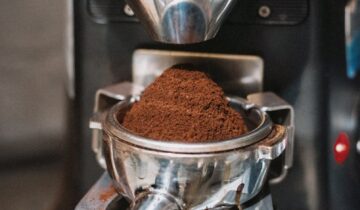
Just as important as the dose is its distribution. If the coffee grounds are clumpy or unevenly spread in the basket, water will exploit the weak spots, creating channels that lead to a fast, uneven extraction. This is a phenomenon known as channeling. To fix this, break up any clumps with a thin object (like a paperclip) and ensure the bed of grounds is perfectly level before you tamp. This simple step ensures water flows evenly through the entire puck.
The art of the tamp: applying consistent pressure
The final variable in our espresso-slowing toolkit is tamping. Tamping compacts the coffee grounds into a dense and level puck, removing air pockets and creating a final layer of resistance against the machine’s water pressure. Many people obsess over applying a specific amount of force (the old rule of thumb was 30 pounds), but what’s far more important is consistency and ensuring the tamp is level. An uneven tamp will leave one side of the puck less compressed than the other, encouraging channeling and a fast shot.
Focus on a firm, comfortable pressure that you can replicate every single time. Stand with your elbow bent at a 90-degree angle over the portafilter and press down until the coffee bed feels solid. Give the tamper a gentle spin without pressure at the end to “polish” the puck, but avoid tapping the side of the portafilter after tamping, as this can break the seal around the edge and create channels.
| Problem | Primary Cause | Solution |
|---|---|---|
| Shot pulls in under 20 seconds | Grind is too coarse. | Make the grind finer. Adjust in small increments until you reach the 25-30 second range. |
| Shot is watery and sour | Under-dosing or channeling. | Increase the dose by 0.5g-1g. Ensure even distribution of grounds before tamping. |
| Watery spurts from portafilter | Channeling due to poor distribution or an uneven tamp. | Break up clumps and distribute grounds evenly. Ensure your tamp is perfectly level. |
| Shot time is inconsistent | Inconsistent prep (dose, tamp). | Weigh your dose every time with a scale and apply the same tamping pressure for each shot. |
Slowing down your CBTL espresso extraction from a gushing mess to a perfect, syrupy stream is a deeply rewarding process. It all comes down to methodically controlling the key variables. Remember to only change one thing at a time—start with your grind size, as it has the most significant impact. Once your grind is close, you can make micro-adjustments to your dose to fine-tune the timing and flavor. Finally, ensure your distribution and tamping techniques are consistent to prevent channeling and guarantee an even extraction every time. By paying close attention to these details, you will unlock the true potential of your coffee beans, transforming your home espresso experience and pulling café-quality shots that are rich, sweet, and perfectly balanced.

 No products in the cart.