

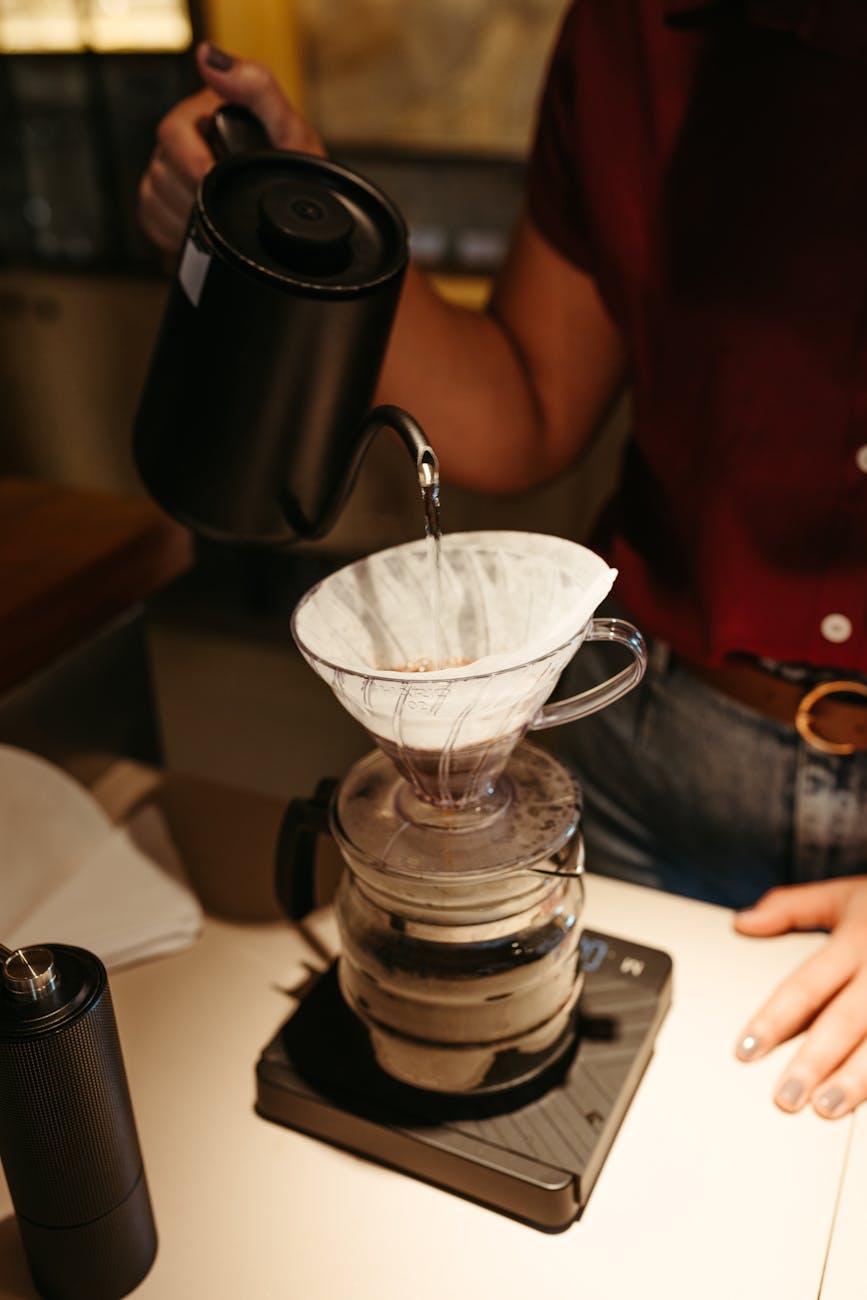
Your fully automatic coffee machine is a masterpiece of engineering, designed to deliver a perfect, cafe-quality coffee at the touch of a button. You’ve likely invested in high-quality beans, you keep the machine clean, and you’ve dialed in your favorite settings. But there’s one crucial ingredient that many owners overlook, an element that makes up over 98% of your final drink: the water. Using straight tap water might seem harmless, but it can silently sabotage both the taste of your coffee and the longevity of your prized machine. This article will explore the compelling reasons why switching to filtered water is not just a recommendation but a necessity for any discerning coffee lover who wants to protect their investment and unlock the true potential of every single brew.
The hidden impact of tap water on your coffee’s taste
When we brew coffee, we are performing a delicate act of extraction. Water acts as a solvent, pulling out the hundreds of aromatic and flavor compounds locked inside the roasted beans. However, tap water is far from pure H₂O. It’s a complex solution containing various minerals and chemicals that significantly influence this extraction process. The two primary culprits that can ruin your coffee’s flavor are chlorine and excessive mineral content (hardness).
Chlorine, a disinfectant used in municipal water supplies, has a strong, chemical taste and odor. When present in your brew water, it can create a harsh, medicinal off-taste that completely masks the subtle, nuanced flavors of your coffee beans, such as floral, fruity, or chocolatey notes. Secondly, water hardness, which refers to the concentration of minerals like calcium and magnesium, plays a double-edged role. A small amount of these minerals is beneficial as they help to extract the desirable flavor compounds. However, very hard water can lead to over-extraction, resulting in a dull, chalky, and unpleasantly bitter cup. By contrast, using filtered water removes the distracting chlorine and helps to balance the mineral content, providing a clean, neutral base that allows the true character of your coffee beans to shine through.
Protecting your investment from limescale buildup
Beyond taste, the most critical reason to use filtered water is to protect the intricate internal components of your fully automatic machine. The same minerals that affect taste—calcium and magnesium—are responsible for creating limescale. When hard water is heated, these minerals precipitate out of the solution and form a hard, chalky deposit. In a sophisticated machine with narrow tubes, sensitive sensors, and a high-performance thermoblock or boiler, this buildup is catastrophic.
Limescale acts as an insulator on heating elements, forcing the machine to work harder and consume more energy to reach the optimal brewing temperature. This strain can lead to premature component failure. Furthermore, these deposits can clog the delicate water pathways, restricting flow, reducing pressure, and ultimately impacting the quality of your espresso shot. In the worst-case scenario, a severe blockage can render the machine unusable, leading to costly repairs. While descaling your machine is a necessary reactive maintenance step, using filtered water is a powerful proactive measure. It drastically reduces the rate of limescale formation, meaning you’ll need to descale far less frequently, thereby minimizing the machine’s exposure to harsh descaling chemicals and significantly extending its operational lifespan.
A guide to water filtration options
Choosing to use filtered water is the first step, but selecting the right filtration method is equally important. There isn’t a one-size-fits-all solution, as the best option depends on your local water quality, budget, and convenience. Here are the most common options for owners of fully automatic machines:
- Built-in brand filters: Many manufacturers (like Jura, De’Longhi, and Saeco) offer proprietary water filters that install directly into the water tank. These are often the best choice, as they are specifically designed to reduce hardness and remove chlorine, and they communicate with the machine’s software to prompt you when a replacement is due.
- Water filter pitchers: Common household brands like Brita are excellent at removing chlorine and improving water’s taste. They are affordable and convenient. However, most standard pitcher filters are not highly effective at reducing water hardness, so they offer limited protection against limescale.
- Under-sink filtration systems: These systems are installed directly into your plumbing and can provide a dedicated tap for filtered water. Many use activated carbon, which is great for taste, but you would need a system that also includes an ion-exchange resin to soften the water and prevent limescale.
- Reverse osmosis (RO): This is the most aggressive form of filtration, removing nearly all minerals from the water. While this completely eliminates the risk of limescale, it’s actually detrimental for coffee flavor, as some minerals are needed for good extraction. RO water can produce a flat, lifeless, and sour cup of coffee. If you use an RO system, you must use a remineralization cartridge to add back essential minerals.
For most users, relying on the manufacturer’s built-in filter is the most balanced and effective approach for both taste and machine protection.
The benefits at a glance
The decision to switch from tap water to filtered water has tangible effects that go beyond abstract concepts. The improvements in coffee quality, machine health, and long-term cost can be clearly summarized. Seeing the direct comparison highlights why this simple change is one of the most impactful upgrades you can make to your coffee routine.
| Feature | Hard tap water | Filtered water |
|---|---|---|
| Coffee taste | Often flat, chalky, or bitter, with potential chemical notes from chlorine. | Clean, balanced, and vibrant, allowing the bean’s true flavor profile to emerge. |
| Machine longevity | Reduced due to constant strain from limescale buildup on heating elements and pumps. | Significantly extended by preventing the primary cause of internal component failure. |
| Descaling frequency | High (every 1-2 months, depending on use and hardness). | Low (every 6-12 months or longer, depending on the filter’s effectiveness). |
| Energy efficiency | Decreased, as the machine must work harder to heat water through insulated elements. | Maintained at optimal levels, as heating elements remain clean and efficient. |
| Long-term cost | Higher due to frequent descaler purchases, increased energy use, and potential for costly repairs. | Lower due to fewer maintenance products needed and reduced risk of out-of-warranty breakdowns. |
Ultimately, a fully automatic coffee machine represents a significant financial and emotional investment in your daily enjoyment. Treating it with care goes beyond simple cleaning. The switch to filtered water is a foundational step in that care routine. As we’ve seen, it directly enhances the flavor of your coffee by providing a clean slate for extraction, and more importantly, it proactively protects the delicate internal mechanics from the relentless damage of limescale. This simple change reduces maintenance frequency, lowers long-term running costs, and drastically extends the life of your appliance. Investing in a good water filter isn’t an extra expense; it’s insurance for your machine and a commitment to consistently delicious coffee, cup after cup.


 No products in the cart.