

The hidden enemy of fresh espresso: Why you should ditch your grinder’s hopper
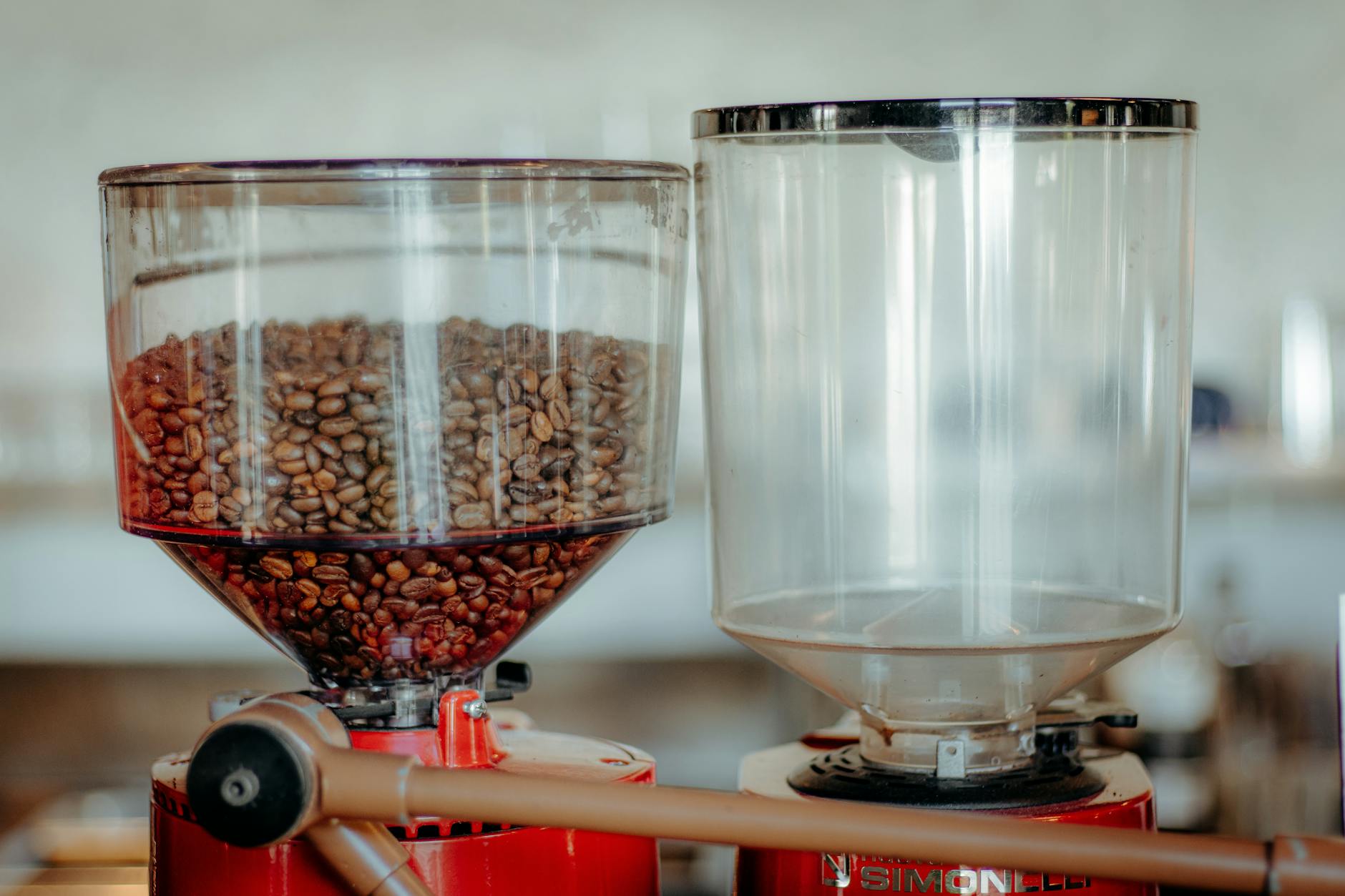
Walk into any coffee lover’s kitchen, and you’ll likely see it: a beautiful espresso machine paired with a grinder, its clear hopper filled to the brim with glossy, aromatic coffee beans. It looks professional and feels convenient, a ready-to-go station for your morning ritual. But what if I told you this common practice is actively sabotaging the quality of your espresso? That full hopper, while visually appealing, is the single biggest culprit behind stale, inconsistent, and disappointing shots. In this article, we will explore why keeping beans in your grinder’s hopper is a mistake for any home barista serious about flavor and how a simple change in your workflow can dramatically elevate your coffee game.
The rapid decline of freshness
Whole coffee beans are delicate agricultural products. Think of them as tiny, perfectly sealed packages of flavor and aroma. Roasting creates hundreds of volatile aromatic compounds that are responsible for the incredible complexity we love in a great cup of coffee. The moment those beans are exposed to their enemies—oxygen, light, and heat—these compounds begin to break down through a process called oxidation.
Your grinder’s hopper, especially if it’s clear plastic, is the worst possible environment for preserving freshness. It’s essentially a display case that bombards your beans with light and a constant supply of fresh oxygen every time you open the lid. The gentle heat generated by the grinder’s motor, even when idle, can also subtly warm the beans, accelerating the staling process. Within just 24 to 48 hours, beans left in a hopper can lose a significant amount of their vibrancy. The bright, fruity notes in a light roast will flatten, and the rich, chocolatey tones of a dark roast will become dull and woody. It’s like leaving a bottle of fine wine uncorked on the counter; it may still be drinkable, but it’s a shadow of its former self.
Inconsistency is the enemy of good espresso
Beyond the simple staling of beans, using a hopper introduces a major obstacle to achieving the holy grail of espresso: consistency. Pulling a great shot is a game of precision, and a full hopper creates several variables that make it nearly impossible to replicate your results day after day.
First, there’s the issue of grind retention. Most grinders retain a certain amount of ground coffee within the burr chamber and chute. When you grind a dose from a full hopper, you are not just getting freshly ground beans. You are also getting a few grams of stale, pre-ground coffee from your last session. This mix of fresh and stale grounds wreaks havoc on your extraction, often leading to bitterness and a lack of clarity in the cup.
Second, the weight of the beans in the hopper affects how they feed into the burrs. A full hopper pushes beans down with more force, often resulting in a slightly finer grind. As the hopper empties, this pressure decreases, beans can bounce around more (a phenomenon known as “popcorning”), and the grind becomes coarser. This means your “perfect” grind setting from this morning might produce a gushing, under-extracted shot tomorrow, forcing you to constantly chase your settings in a frustrating cycle.
The single dosing solution
So, what’s the alternative? The answer is a workflow adopted by coffee professionals and discerning home baristas alike: single dosing. The concept is simple: instead of filling the hopper, you weigh the exact amount of beans you need for a single shot (for example, 18 grams) right before you brew. You then pour this measured dose into an empty grinder, grind the entire amount, and proceed with your puck preparation.
This simple change in routine solves all the problems created by the hopper:
- Maximum freshness: Your beans remain safely stored in an airtight, dark container until the very moment you decide to make coffee. Every single shot is made with the freshest possible beans.
- Ultimate consistency: By eliminating retained grounds and the variable weight of a full hopper, you get a much more consistent grind size every time. This makes dialing in your espresso easier and your results far more predictable.
- Less waste: You only grind what you need, eliminating the problem of having to throw out stale beans that have been sitting in the hopper for too long.
– Flexibility: Want to try a new single-origin coffee for your afternoon espresso? With single dosing, you can switch between different beans instantly without having to empty and clean a full hopper.
Making the switch: A simple guide
Transitioning to a single-dosing workflow is easy and requires only a couple of key tools: a quality coffee scale with 0.1-gram precision and an airtight storage container. Many excellent options exist, from simple vacuum-sealed canisters to specialized coffee cellars.
Your new, flavor-preserving workflow will look like this:
- Keep your coffee beans in their airtight container, away from light and heat.
- When you are ready for an espresso, place your portafilter or a small cup on the scale and tare it to zero.
- Weigh out your desired dose of whole beans.
- Pour the beans into your empty grinder and grind the full amount.
- Prepare your puck and pull your shot.
This process adds maybe 30 seconds to your routine, but the return on that small investment is immense. You gain complete control over your variables, ensuring that every shot you pull has the potential to be as delicious as the last. For those looking to take it a step further, accessories like bellows can be added to many grinders to help push out any remaining retained grounds, ensuring a near-zero retention workflow.
Hopper vs. single dosing at a glance
| Feature | Hopper method | Single dosing method |
|---|---|---|
| Bean freshness | Low (exposed to air, light, and heat) | High (stored in an airtight container) |
| Grind consistency | Variable (due to popcorning and stale grinds) | High (fresh, precise dose every time) |
| Dialing-in process | Constant adjustments often required | More stable and predictable |
| Coffee waste | Higher (stale beans often discarded) | Minimal (only grind what you need) |
| Bean flexibility | Difficult to switch between different beans | Very easy to switch between coffees |
Your path to better espresso
In the pursuit of café-quality espresso at home, we invest in great machines, high-end grinders, and specialty coffee beans. It’s ironic, then, that a simple habit like filling the hopper can undermine all that effort. As we’ve seen, using the hopper is a direct path to stale coffee, inconsistent grinds, and a frustrating brewing experience. It’s a convenience that comes at the high cost of flavor and quality. By making the simple switch to single dosing—weighing your beans for each shot—you take back control. You guarantee that every espresso is made from beans at their peak freshness, ground with precision and consistency. I challenge you to try it for one week. Empty your hopper, store your beans properly, and taste the difference for yourself. It’s the easiest and most impactful upgrade you can make to your home espresso setup.
 No products in the cart.