

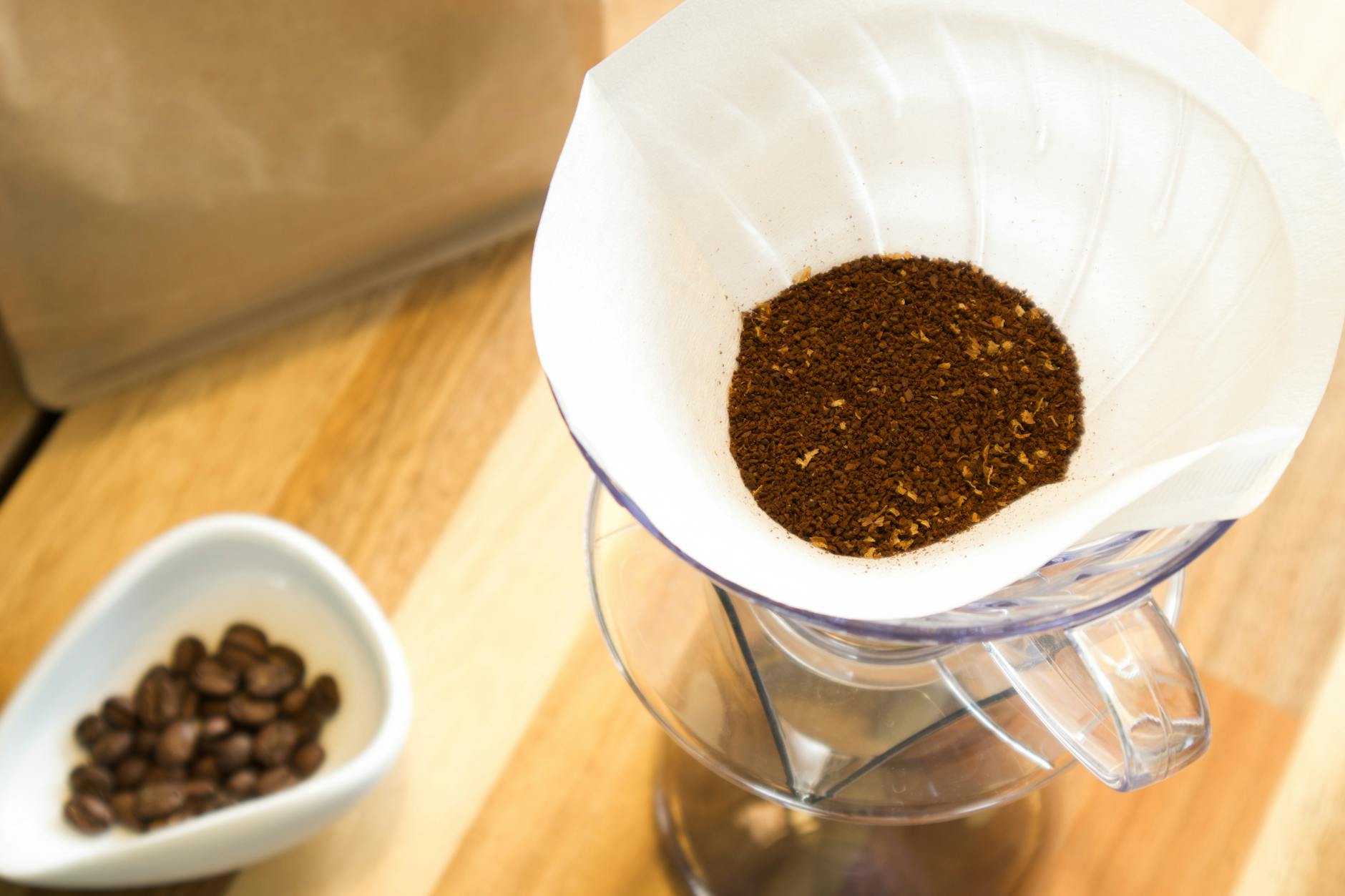
Unlocking balanced flavor: The crucial role of uniform grind size in espresso
The pursuit of the perfect espresso shot is a journey familiar to every coffee enthusiast. We obsess over the origin of the beans, the pressure of our machine, and the precision of our tamp. Yet, amidst all these variables, one factor stands as the absolute cornerstone of a great extraction: the uniformity of the coffee grind. An inconsistent grind, riddled with a mix of large “boulders” and tiny “fines,” will sabotage your shot before the water even hits the coffee. Understanding why grind consistency is not just a preference but a physical necessity is the first and most critical step toward pulling balanced, delicious, and repeatable shots of espresso every single time.
The science of espresso extraction
At its core, pulling an espresso shot is a simple process of chemical extraction. Hot, pressurized water is forced through a tightly packed bed of ground coffee, dissolving soluble compounds like acids, sugars, and oils that create the flavors and aromas we love. The goal is a balanced extraction, where we pull out the sweet, desirable compounds without also getting the unpleasant ones. This delicate balance is governed almost entirely by the total surface area of the coffee grounds, which is a direct result of the grind size.
Extraction happens in stages:
- First, the bright, fruity acids are extracted. If you stop here, you have an under-extracted shot that tastes sour.
- Next, the sugars and caramel notes are dissolved, creating the body and sweetness of a balanced shot.
- Finally, the bitter, astringent compounds are pulled out. Go too far, and you have an over-extracted shot that is harsh and dry.
A uniform grind size ensures that all coffee particles have a similar surface area, allowing them to extract at a relatively even rate. This gives you, the barista, control over the shot time and allows you to stop the extraction right in that sweet spot of perfect balance.
The chaos of inconsistent grinds: Fines and boulders
When your grinder produces an inconsistent grind, you are left with two destructive elements in your portafilter: boulders (overly coarse particles) and fines (dust-like particles). These two extremes work together to create an extraction nightmare. They don’t just average each other out; they introduce opposing flaws into the same cup, resulting in a confusing and unpleasant taste.
Imagine water flowing through this uneven mix. The large boulders have very little surface area, so the water rushes past them without extracting much flavor. This contributes sour, weak, and acidic notes from under-extraction. Meanwhile, the tiny fines have a massive comparative surface area and are highly soluble. They also tend to clog the small spaces in the coffee puck, dramatically slowing water flow in their immediate vicinity. This leads to severe over-extraction in those areas, releasing bitter and astringent flavors. The result is a shot that is somehow both sour and bitter, lacking any sweetness or clarity.
How inconsistency leads to channeling
The structural problems caused by an inconsistent grind lead directly to a dreaded phenomenon known as channeling. Channeling occurs when water finds a path of least resistance through the coffee puck instead of saturating it evenly. A mix of fines and boulders creates a puck with uneven density. Water, under nine bars of pressure, will aggressively exploit these weak spots.
It will bypass the tightly packed areas clogged with fines and blast through the looser areas around the boulders. If you use a bottomless portafilter, you can see this happening in real-time as tiny jets of water spurt out, or one side of the extraction runs much faster and blonder than the other. This process means some coffee grounds are left almost completely untouched (under-extracted), while the coffee along the channel is relentlessly over-extracted. This is the ultimate cause of an inconsistent and unpredictable espresso, where one shot might be drinkable and the next is a disaster, even with the same preparation.
Achieving uniformity: Your grinder is your most important tool
The solution to all these problems lies not in your tamping technique or your expensive espresso machine, but in your grinder. To achieve the uniformity required for espresso, you must use a quality burr grinder. Unlike blade grinders that indiscriminately smash beans into a random assortment of sizes, burr grinders mill the coffee between two abrasive surfaces, producing a much more consistent particle size.
There are two main types of burrs, each with its own characteristics:
- Conical burrs: These are known for being very durable and producing a consistent grind, though sometimes with a slightly wider particle distribution. They are excellent for creating espresso with rich body and texture.
- Flat burrs: Often found in high-end and commercial grinders, flat burrs are prized for producing an exceptionally uniform, or unimodal, particle size. This leads to shots with incredible flavor clarity and sweetness.
Investing in a capable burr grinder is the single most significant upgrade you can make to your espresso setup. It provides the control and consistency necessary to eliminate channeling and unlock the true flavor potential of your coffee beans.
Grind uniformity: A comparison
| Feature | Non-Uniform Grind (Blade/Low-Quality Burr) | Uniform Grind (Quality Burr) |
|---|---|---|
| Particle Mix | High volume of fines and boulders | Consistent, similarly-sized particles |
| Water Flow | Uneven, leading to channeling | Even and steady saturation of the puck |
| Extraction | Simultaneous under- and over-extraction | Balanced and controlled extraction |
| Taste Profile | Conflicting sour and bitter notes | Sweet, clear, and complex flavors |
| Shot Repeatability | Very low; unpredictable results | Very high; consistent shots |
In conclusion, while every step in the espresso-making process is important, they all rely on the foundation built by your grinder. A uniform grind size is the key that unlocks a balanced extraction. By ensuring all coffee particles are a similar size, you enable even water flow, prevent channeling, and gain precise control over whether your shot is sour, sweet, or bitter. An inconsistent grind with fines and boulders creates a chaotic extraction that is impossible to control, leading to frustratingly bad coffee. Therefore, focusing on your grinder and achieving a consistent grind is not just a pro-tip; it is the fundamental secret to making truly exceptional espresso, shot after shot.


 No products in the cart.