

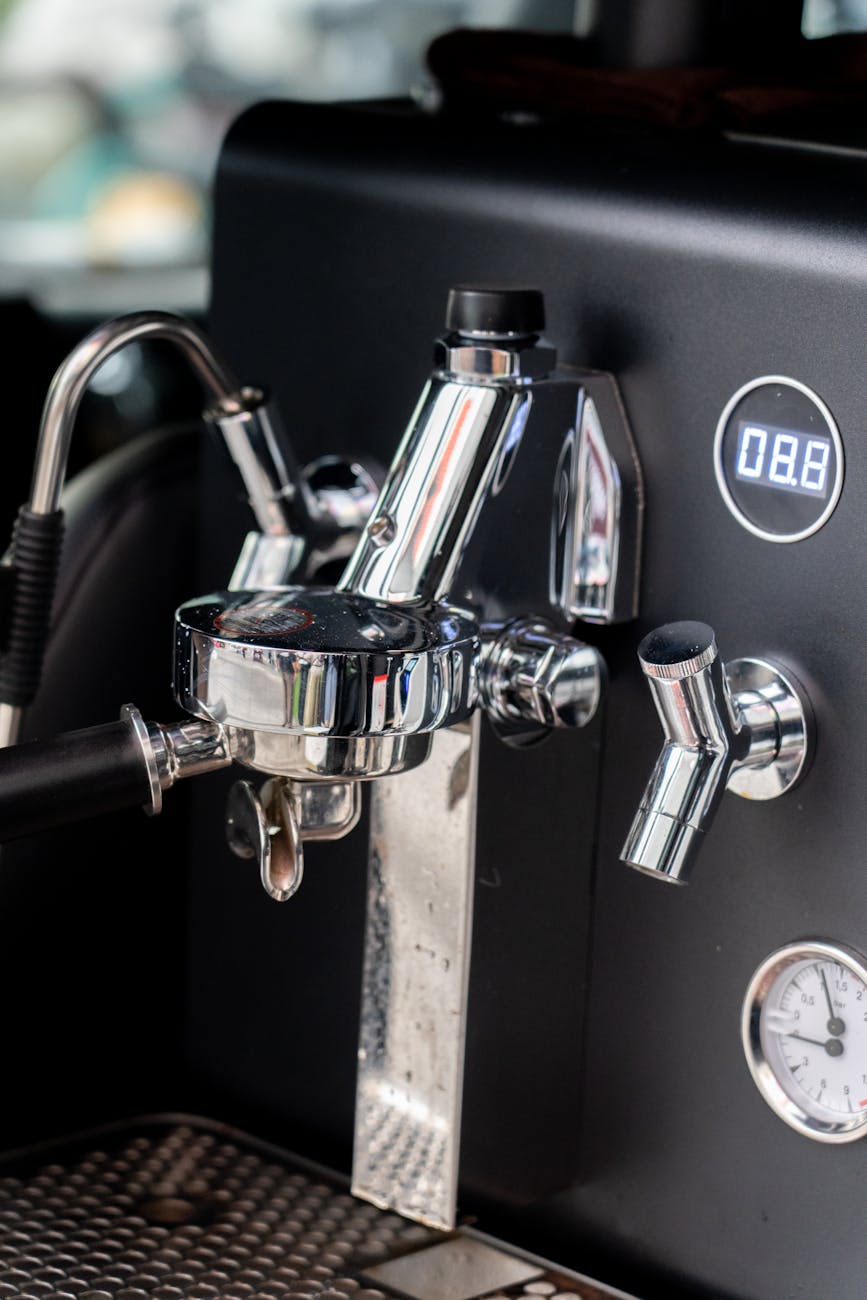
Why the Gaggia Classic portafilter sneeze happens and how to avoid it
If you’re the proud owner of a Gaggia Classic, you’ve likely encountered this startling phenomenon. You’ve just pulled a beautiful shot of espresso, the aroma fills your kitchen, and as you go to remove the portafilter to clean it, WHOOSH! A messy explosion of hot water and coffee grounds erupts, covering your hand, the machine, and the countertop. This is the infamous “portafilter sneeze.” While it can be frustrating, it’s a common occurrence with certain models of this beloved machine. This article will explain exactly why the Gaggia Classic sneeze happens, dive into the mechanics behind the pressure build-up, and most importantly, provide you with clear, practical steps to prevent it from ever happening again.
What is the portafilter sneeze?
The portafilter sneeze is the sudden, violent discharge of pressurized water and coffee grounds that occurs when you unlock the portafilter from the group head too quickly after brewing. Instead of finding a relatively dry, compact puck of coffee ready to be knocked out, you’re met with a soupy, explosive mess. It’s not just an inconvenience; the spray of hot grounds can be startling and requires a thorough cleanup.
This happens because immense pressure builds up inside the group head to force water through the finely ground coffee. In an ideal scenario, this pressure is released immediately after you finish your shot. However, in some machines, this pressure remains trapped. When you turn the portafilter handle, you break the seal, and that trapped, high-pressure water has nowhere to go but out, blasting the coffee puck apart in the process. Understanding the specific component responsible for this pressure release is the key to mastering your machine.
The science behind the sneeze: The 3-way solenoid valve
The secret to a sneeze-free espresso experience lies in a small but crucial component: the 3-way solenoid valve. This electro-mechanical valve is the traffic controller for water pressure in your espresso machine.
Here’s how it works:
- Path 1 & 2 (Brewing): When you flip the brew switch, the valve opens a path from the boiler to the group head, sending hot, pressurized water to your coffee puck.
- Path 3 (Pressure Release): The moment you turn the brew switch off, a solenoid-equipped machine instantly redirects the flow. The valve closes the path from the boiler and opens a third path, venting all the excess pressure and water from the group head straight down into the drip tray. This depressurizes the system in a split second, leaving you with a dry, easily disposable puck.
The notorious Gaggia Classic sneeze is characteristic of models that do not have this 3-way solenoid valve. Without it, there is no third path for the pressure to escape. The pressure built up on top of the coffee puck remains trapped after the pump shuts off. The only way for it to release is by waiting for it to dissipate slowly or by manually releasing it, which is what happens when you prematurely unlock the portafilter.
Model variations and why it matters
Not all Gaggia Classic machines are created equal, and knowing which version you own is critical to understanding its behavior. The presence or absence of the 3-way solenoid valve is the single biggest differentiator when it comes to the portafilter sneeze.
If you own a Gaggia Classic Pro or an older, pre-2015 model, you have a 3-way solenoid valve. If you experience a “sneeze” with these models, it is highly unusual and could indicate that the valve is clogged with scale or coffee residue and needs cleaning or servicing. For owners of the models produced between 2015 and 2018, the sneeze is a direct result of the machine’s design.
| Model Name / Year | 3-Way Solenoid Valve? | Common Sneeze Issue? |
| Gaggia Classic (Pre-2015) | Yes | Unlikely (unless valve is clogged) |
| Gaggia Classic (2015-2018 Philips Era) | No | Yes, by design |
| Gaggia Classic Pro (2019+) | Yes | Unlikely (unless valve is clogged) |
How to prevent the portafilter sneeze for good
Fortunately, even if your machine is designed in a way that causes the sneeze, preventing it is simple. It just requires a small change to your workflow. You have two primary, highly effective methods to choose from.
1. The waiting game
This is the easiest method. After you turn off the brew switch, simply wait. The trapped pressure needs time to dissipate naturally through the coffee puck and into the drip tray. A wait time of 15-20 seconds is usually enough to prevent the sneeze. You can use this time to get your milk pitcher ready or wipe down another part of your station. You’ll know it’s safe when you can remove the portafilter without any resistance or hissing.
2. The steam wand trick
If you’re in more of a hurry, this technique provides a manual pressure release. It mimics what a 3-way solenoid does by giving the pressure an alternative escape route.
- Finish pulling your shot and turn off the brew switch.
- Immediately place a cup or cleaning cloth under the steam wand.
- Quickly open the steam valve by turning the knob. You will hear a short hiss as pressure escapes through the wand.
- Close the steam valve once the hissing stops (it only takes a second or two).
The system is now depressurized, and you can safely remove the portafilter right away without any fear of a sneeze. This method is fast, efficient, and becomes second nature with a little practice.
Conclusion
The Gaggia Classic portafilter sneeze is more of a design quirk than a defect. It’s caused by trapped pressure in models lacking a 3-way solenoid valve, primarily those made between 2015 and 2018. Understanding this simple mechanical principle transforms the issue from a frustrating daily mess into a manageable characteristic of your machine. By either patiently waiting a few seconds after your shot or by using the quick steam wand trick to manually release the pressure, you can completely eliminate the problem. Mastering this small aspect of your Gaggia Classic’s operation puts you one step closer to a cleaner, more consistent, and ultimately more enjoyable home espresso routine. Happy brewing!

 No products in the cart.