

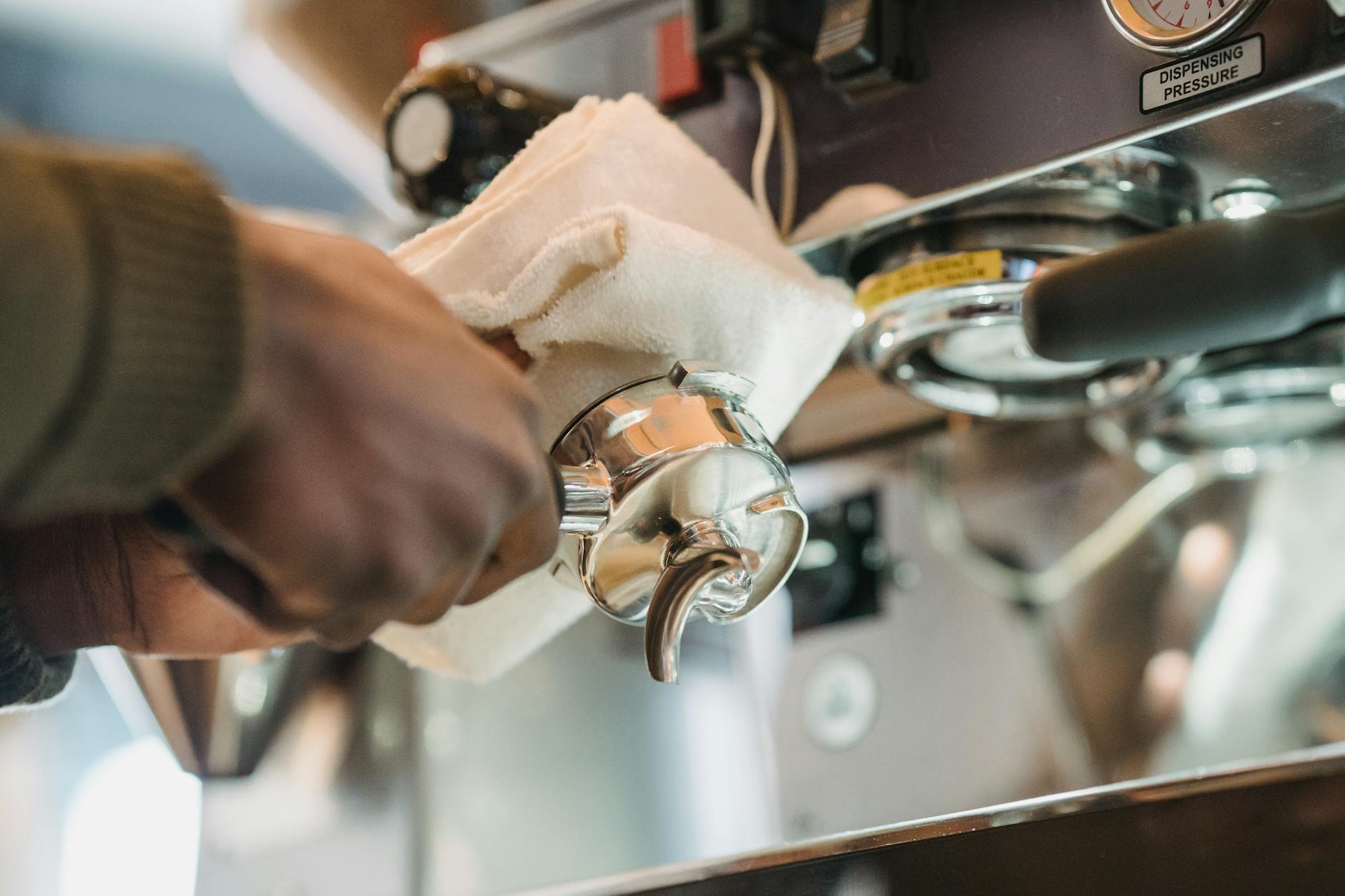
Why your first espresso shot of the day tastes different
For many coffee lovers, the morning ritual is sacred. The hum of the grinder, the satisfying tamp of the grounds, and the rich aroma of the first espresso shot pulling from the machine. But often, that first sip is a letdown. It might be surprisingly sour, unpleasantly bitter, or just flat and uninspired compared to the shots that follow. If you’ve ever wondered if you’re just imagining it, the answer is no. There are several concrete, technical reasons why that inaugural shot of the day is often the ugly duckling of your morning coffee routine. This isn’t a sign of failure but a predictable part of the espresso-making process, understood by both home baristas and professional cafe owners alike.
Waking up the machine: The crucial role of temperature
Espresso extraction is a delicate dance of pressure, time, and temperature. Of these, temperature is perhaps the most critical and the most common culprit behind a bad first shot. Your espresso machine needs to be more than just “on”; it needs to achieve complete thermal stability. This means every component that the water and coffee touch, from the internal boiler to the group head and the portafilter, must be at a consistent, optimal temperature.
When you first turn on your machine, the water in the boiler heats up relatively quickly. However, the heavy brass or steel of the group head and portafilter take much longer to absorb that heat. Pulling a shot through a lukewarm or cold portafilter is a recipe for disaster. The cold metal will instantly sap heat from the brew water, causing the temperature to drop significantly during extraction. This leads to an under-extracted shot, which tastes distinctly sour and thin because the water wasn’t hot enough to properly dissolve the desirable sugars and oils in the coffee grounds.
Clearing the way: Stale grounds and grinder retention
The next major factor lies not in the espresso machine, but in your grinder. Nearly all grinders have some level of grind retention, meaning a certain amount of coffee grounds from your last session remains inside the burrs and chute. Overnight, these leftover grounds are exposed to oxygen, causing them to go stale. Oxidation degrades the volatile aromatic compounds that give coffee its vibrant flavor, leaving behind dull, woody, and often bitter notes.
When you grind for your first shot of the day, you are inevitably pushing out these old, stale grounds mixed with the fresh beans you just added. This mixture of fresh and stale coffee will never produce a balanced, delicious shot. The resulting flavor is often muddled and carries a lingering, unpleasant bitterness that masks the true character of your beans. To combat this, experienced baristas always “purge” their grinder by grinding a few grams of beans and discarding them before dosing their first real shot.
Dialing in the shot: Why the first pull is a test run
Combining the issues of temperature and stale grounds, we arrive at a core concept in the coffee world: dialing in. The first shot of the day is rarely intended to be the perfect one; it’s a diagnostic tool. Baristas use this pull to assess their variables and make adjustments. Environmental conditions like humidity and ambient temperature can change overnight, affecting how your beans grind. A more humid day might require a slightly coarser grind, while a drier day might require a finer one.
This first shot tells you everything you need to know:
- Did it pull too fast? It will likely taste sour. You need to adjust your grinder to a finer setting.
- Did it choke the machine and pull too slow? It will likely taste bitter. You need to adjust your grinder to a coarser setting.
This “sacrificial shot” allows you to calibrate your equipment for the conditions of the day, paving the way for the delicious, balanced shots that follow. It’s not a waste; it’s a necessary investment in quality.
| Factor | First shot of the day | Dialed-in subsequent shot |
|---|---|---|
| Machine temperature | Often unstable; portafilter may be too cool, leading to under-extraction. | Thermally stable; all components are fully heated for consistent extraction. |
| Coffee grounds | A mix of fresh grounds and stale, oxidized grounds from the previous day. | 100% freshly ground coffee with no stale contaminants. |
| Primary taste defect | Sourness (from low temperature) or bitterness (from stale grounds). | Balanced flavor profile reflecting the bean’s origin and roast. |
| Objective | Diagnostic: To flush the system, season the machine, and check grind setting. | Consumption: To produce a delicious, high-quality espresso. |
The human element: Your morning palate
Finally, we can’t ignore the person tasting the coffee. Your own palate is a variable in the equation. First thing in the morning, your senses are just waking up. Your taste buds might be “clean,” but they are also not yet calibrated for the day. The first intensely flavored thing you consume, like a concentrated espresso, can be a shock to the system. It may taste overwhelmingly strong, bitter, or acidic simply because your palate has no recent flavor experience to compare it to.
After the first shot, your palate is “primed.” The lingering flavors and aromas prepare your senses for the next sip. This is why the second shot, even if it’s identical to the first, can often be perceived as more balanced and pleasant. The initial shock is gone, and you’re able to discern the more subtle and complex notes of the coffee.
Conclusion
The different taste of your first daily espresso is not a mystery, but a result of predictable physical and sensory factors. From a machine that isn’t fully heat-saturated to a grinder holding onto stale grounds, the initial conditions are rarely ideal for a perfect extraction. This first shot serves a vital purpose as a “dial-in” or “sacrificial” pull, allowing you to flush the system and calibrate your grind size for the day. Furthermore, your own palate is just waking up and perceives that first intense flavor differently. So, the next time your first shot is subpar, don’t be discouraged. Embrace it as a crucial step in the ritual, a necessary sacrifice on the path to the truly exceptional espresso that follows.
 No products in the cart.